
If you’ve ever wandered past the brandy shelf in a liquor store and wondered, “what type of alcohol is brandy considered,” you’re not alone. Brandy gets less hype than whiskey or vodka, but it’s got serious character, versatility, and enough history to fill a stately library.
Whether you’re looking to sip it by the fire or shake up a fancy cocktail, knowing what brandy is and how to use it can turn you into the most interesting guest at any party, or at least the best home bartender on your block.
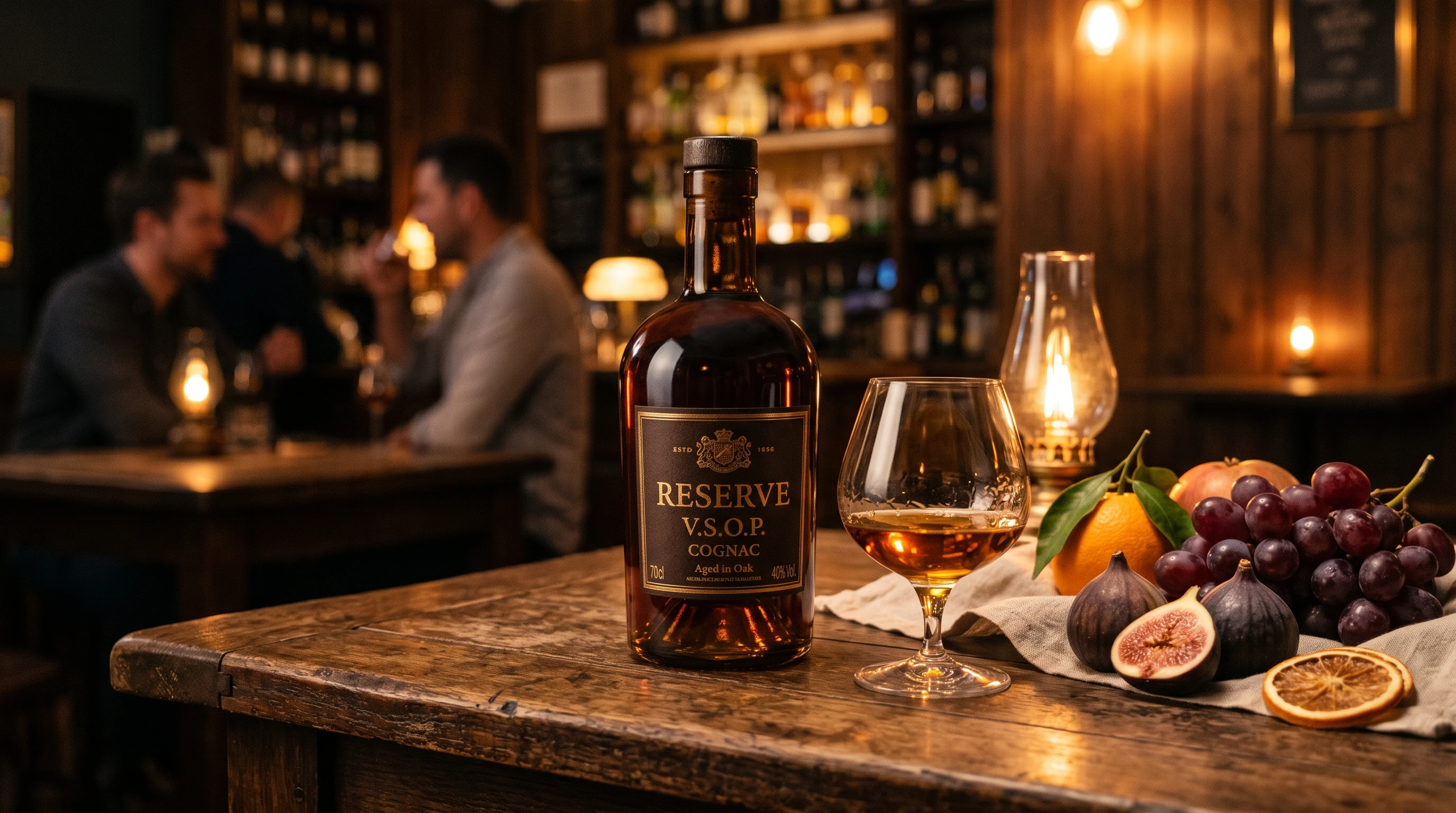
What is Brandy and How Does It Stack Up?
Brandy is considered a liquor or distilled spirit, similar to whiskey, gin, or vodka. What makes it unique is what it’s made from: fermented fruit juice, most often grapes. Unlike whiskey, which starts out as a grain mash, brandy’s sweet beginnings come from fruit. If you’re into chemistry (or home brewing adventures gone wrong), you’ll appreciate that the yeast munches up sugars from that fruit, turning them into alcohol, and then it’s all distilled for a nice punchy finish.
If you’re curious about how brandy fits into the bigger picture of stuff people like to drink, I’ve covered that in my full guide to every type of spirit. Unlike other liquor, brandy tends to have a slightly sweeter, fruit-driven profile that stands out whether you sip it neat, mix it, or use it in desserts. People sometimes compare it to whiskey or rum, but fans will tell you its complexity is entirely its own, shaped by both the fruit origin and the years it spends aging in wood. Curious drinkers find it bridges the gap between clear, crisp spirits like vodka and heavier brown spirits like bourbon.
Brandy’s place in the spirit world is also unique because it’s often tied closely to specific regions and local tradition. Just as scotch comes from Scotland and tequila must come from Mexico, certain brandies are only allowed to use their names—like Cognac or Calvados—if they follow strict rules. That adds a sense of adventure and discovery to every bottle you stumble upon on your liquor shelf.
How is Brandy Made? (Spoiler: Fruit is a Big Deal)
Brandy makers start by fermenting fruit juice, which is usually grape juice but sometimes apples, pears, cherries, plums. Basically, if it’s fruit, some country has probably distilled it. Once the juice is fermented into a sort of fruity wine, it’s heated up in a still. The alcohol vaporizes, travels up through the still, and condenses back into liquid with a much higher alcohol content. That’s the core process, but the real fun starts after distillation; aging in wooden barrels, where brandy picks up its lovely golden color and mellow flavor. Some brandies get as much as a decade’s nap in the barrel before they’re even allowed out into the world.
Every region puts its own spin on the details. Cognac and Armagnac from France have strict rules, while American or South African styles can be a bit more freewheeling. If you want all the nitty-gritty details about how different alcohols are made, check out my deep guide into making tequila or all about gin, since pros love to experiment with everything.
On top of this, some small-batch producers experiment with rare fruits, unusual wood for barrels, or even unique finishing techniques (like aging brandy in sherry casks). It’s that spirit of experimentation that keeps brandy exciting for both newcomers and seasoned drinkers. Even the size and shape of the still can give lighter or heavier flavors, making every distillery’s brandy a little bit special.
What Does Brandy Taste Like?
If the word ‘brandy’ makes you think of fireside chats and chess boards, you’re on the right track. A good brandy brings a warm, fruity, slightly nutty vibe—think dried apricot, plum, vanilla, caramel, sometimes a spicy kick or even gentle floral notes. Younger bottles usually have a brighter, more upfront fruitiness, while well-aged stuff is smooth, rounded, and almost buttery on the tongue. Pour it in a snifter, warm it with your hand for a few seconds, and swirl for a scent that’s honestly pretty hard to beat.
The flavor changes by type and age, but those fruit notes almost always shine through. Apple and pear brandies can taste fresh and crisp, with floral and tart touches you won’t find in something like whiskey. Grape-based brandies, especially from Cognac and Armagnac, deliver grape skin, toffee, toasted oak, and sometimes hints of chocolate or rose petals. If you try an unaged (clear) version, expect flavors to be more raw and direct, almost like a fruity vodka.
What Are the Different Types of Brandy Liquor?
This is where things start to get really fun. There’s way more to brandy than just ‘the brown one with the fancy bottle.’ Here are some you’re likely to see, but keep in mind: almost every country with a fruit surplus finds a way to call something brandy:
Cognac
This is French grape brandy made in Cognac, with strict requirements. Think luxury and well aged.
Cognac Examples
The following bottles are examples of a Cognac Brandy. I’ll provide examples of each type of Brandy as we get to them, showing an entry level, and a top of the range.
Be aware though, if you decide to check out the price of the expensive Brandy type, make sure you’re sitting down. Some of these fetch staggering prices.
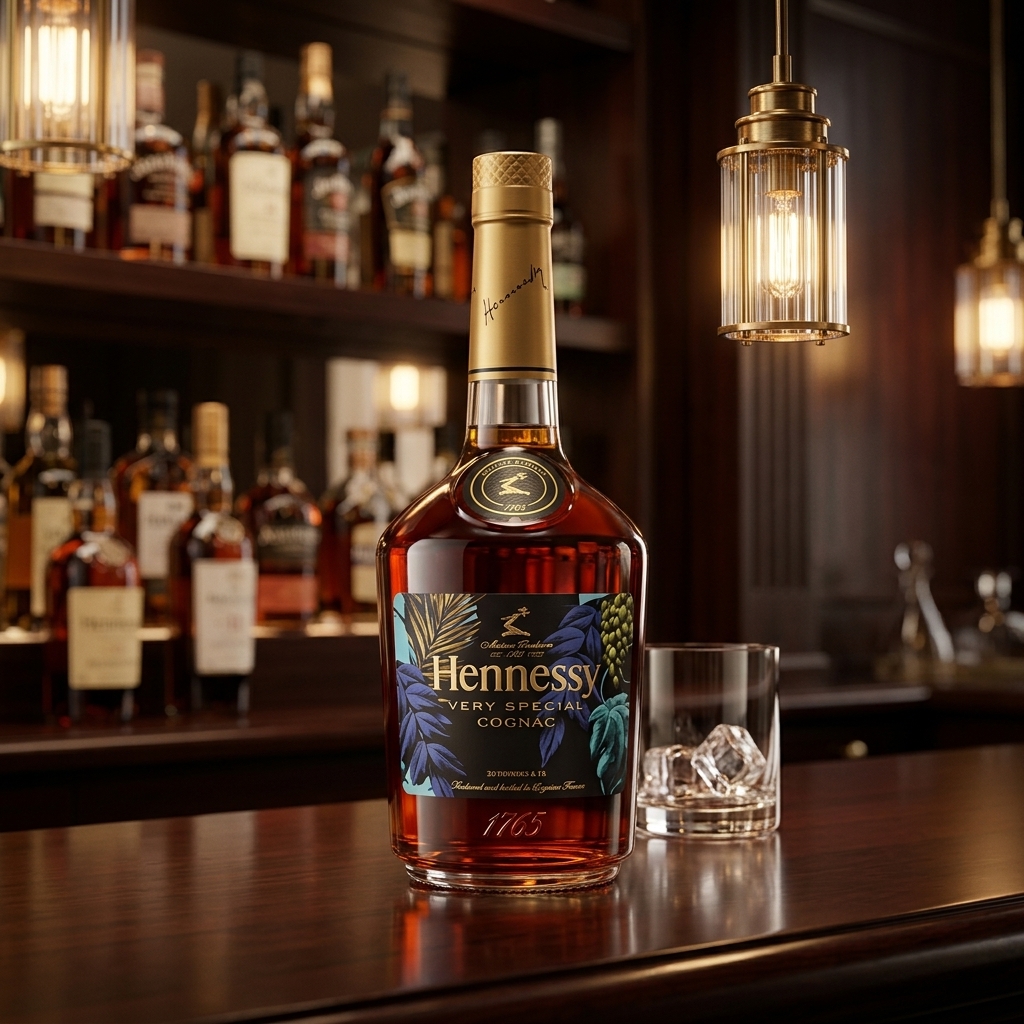
Brandy, Cognac, Entry Level
Low Range Pricing
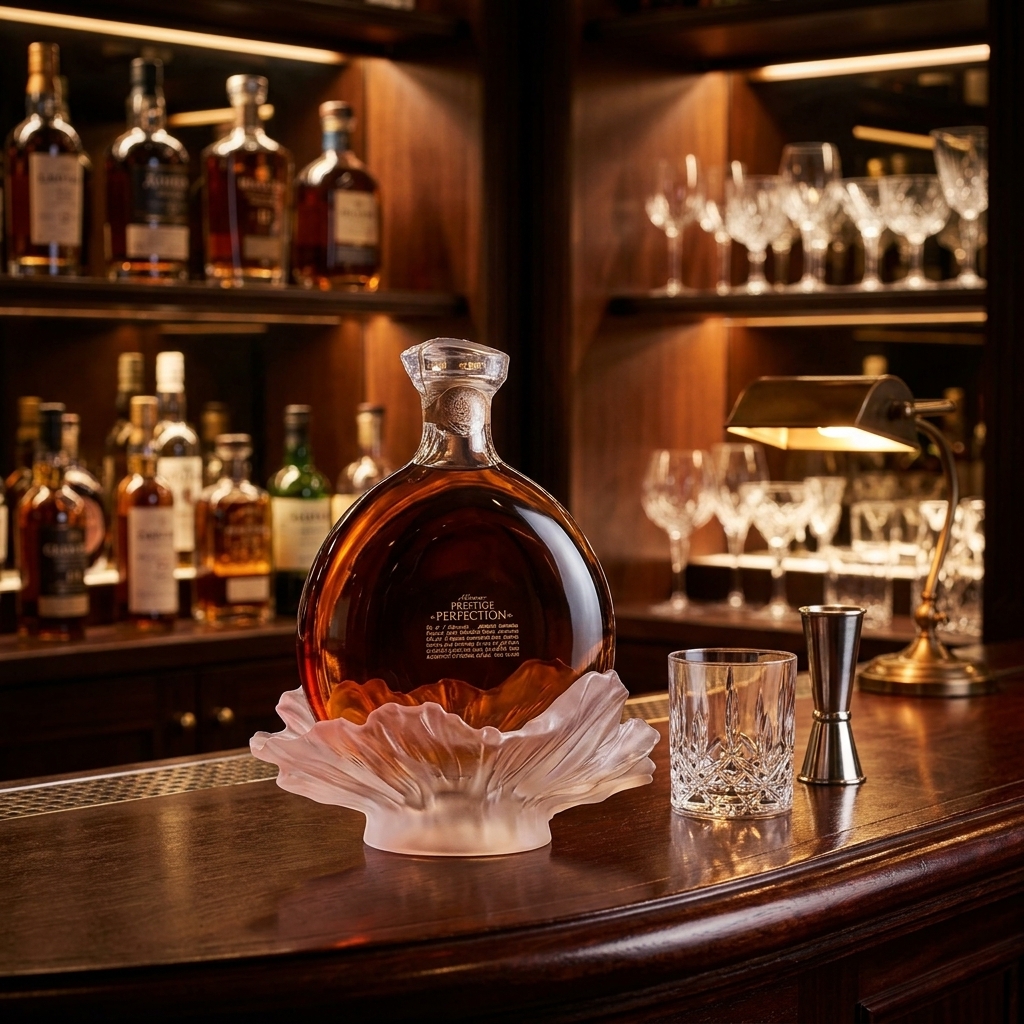
Brandy, Cognac, Expensive
High Range Pricing
*The images in this article are an AI-assisted representation of the intended products. Bottle design, label artwork, packaging, batch release and alcohol proof may vary and can be updated by the producer without notice.
Armagnac
A bit less polished and more rustic than Cognac, but packed with bold flavors.
Armagnac Examples
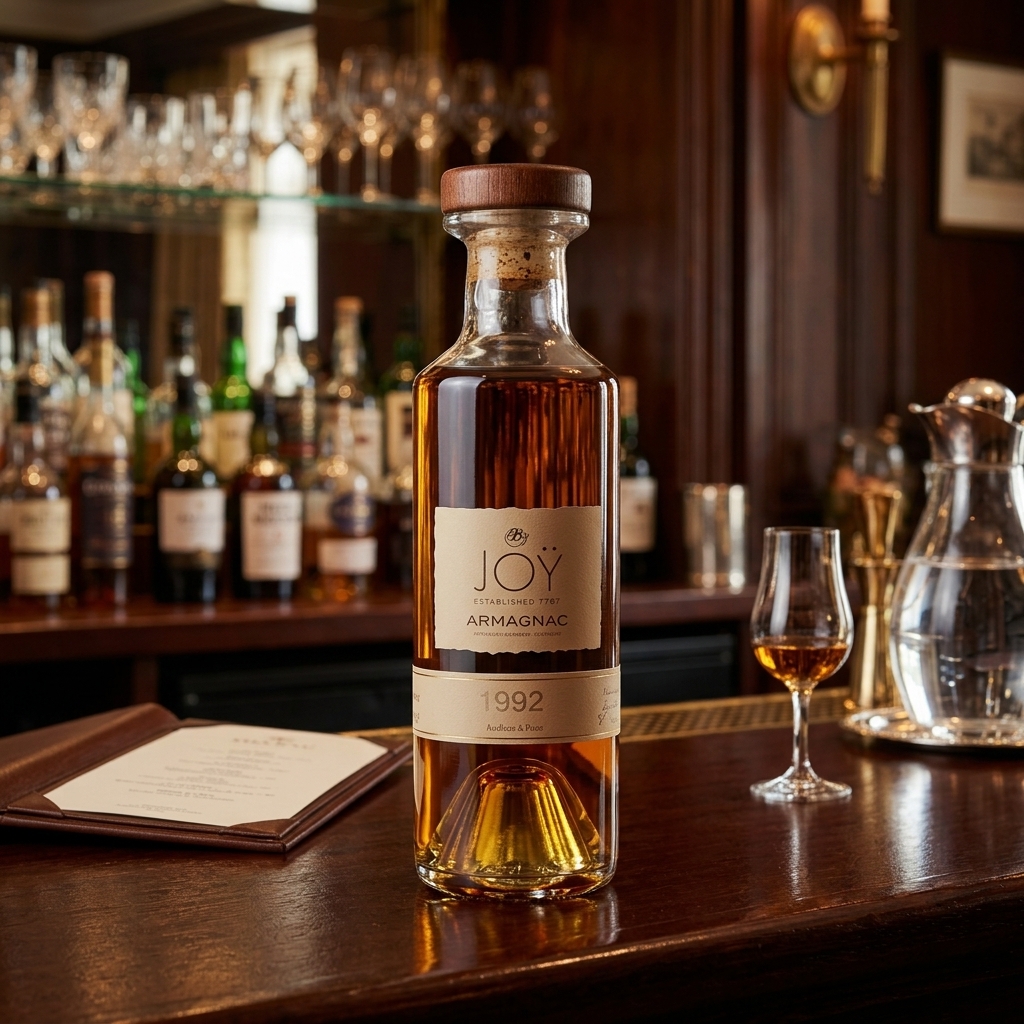
Armagnac, Brandy, Entry Level
Low Range Pricing
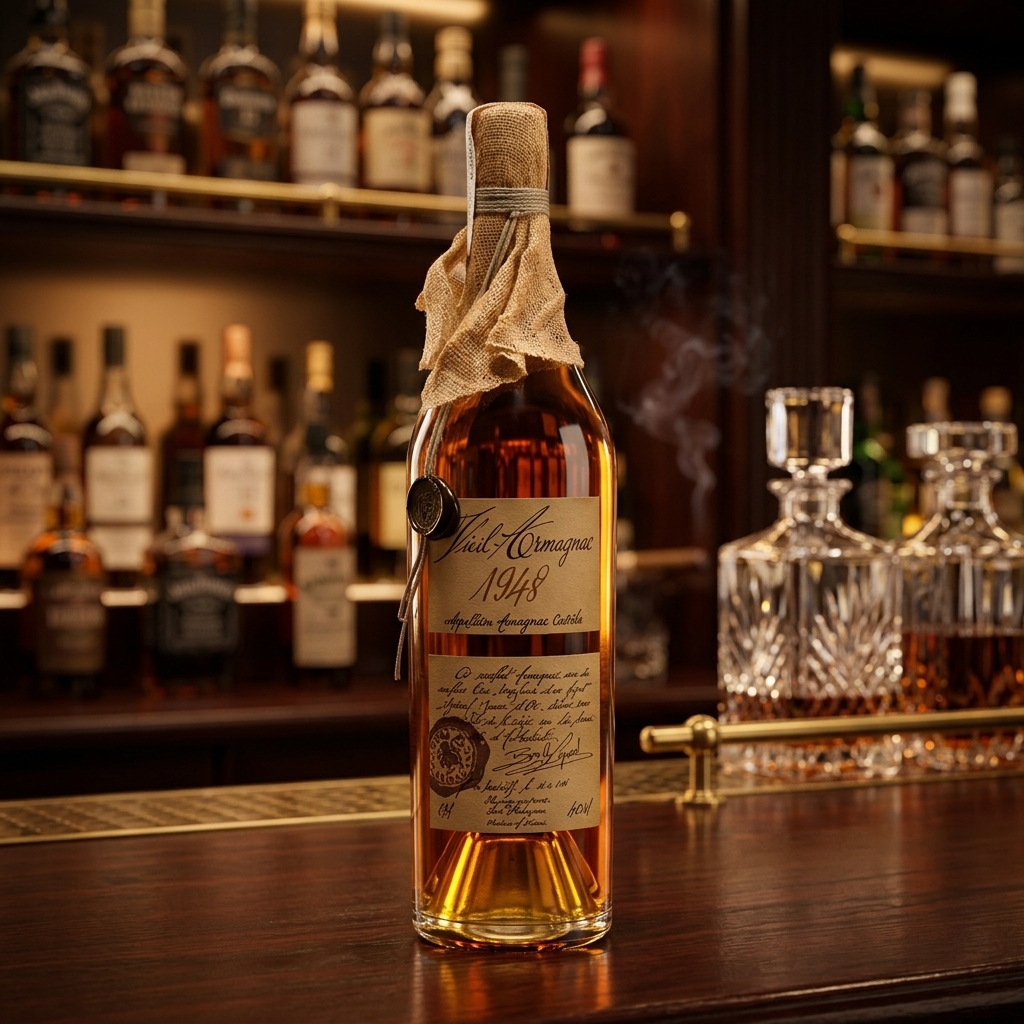
Armagnac, Brandy, Expensive
High Range Pricing
Fruit Brandies
Stuff like apple brandy (Calvados), cherry brandy (Kirsch), plum (Slivovitz), and pear (Poire Williams). These bring the taste of the fruit front and center.
Fruit Brandies Examples
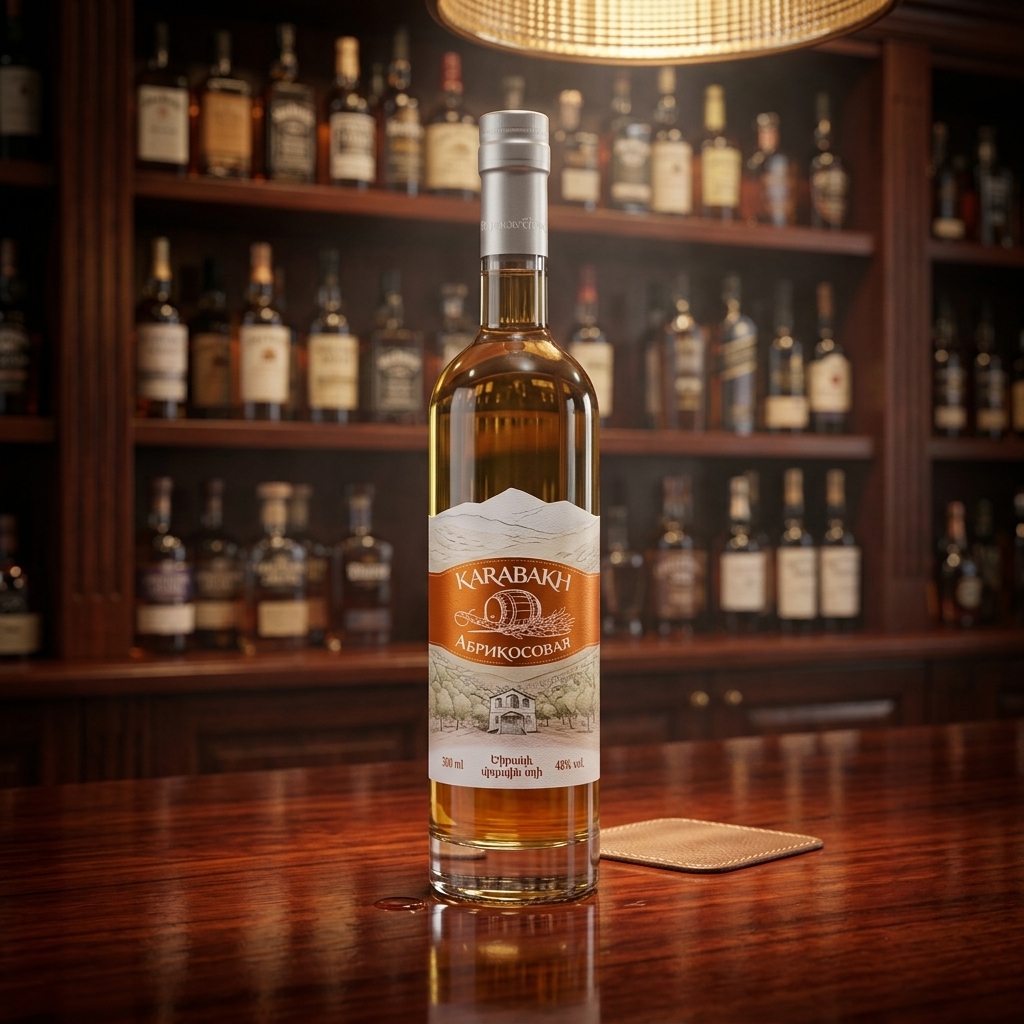
Fruit Brandies, Entry Level
Low Range Pricing
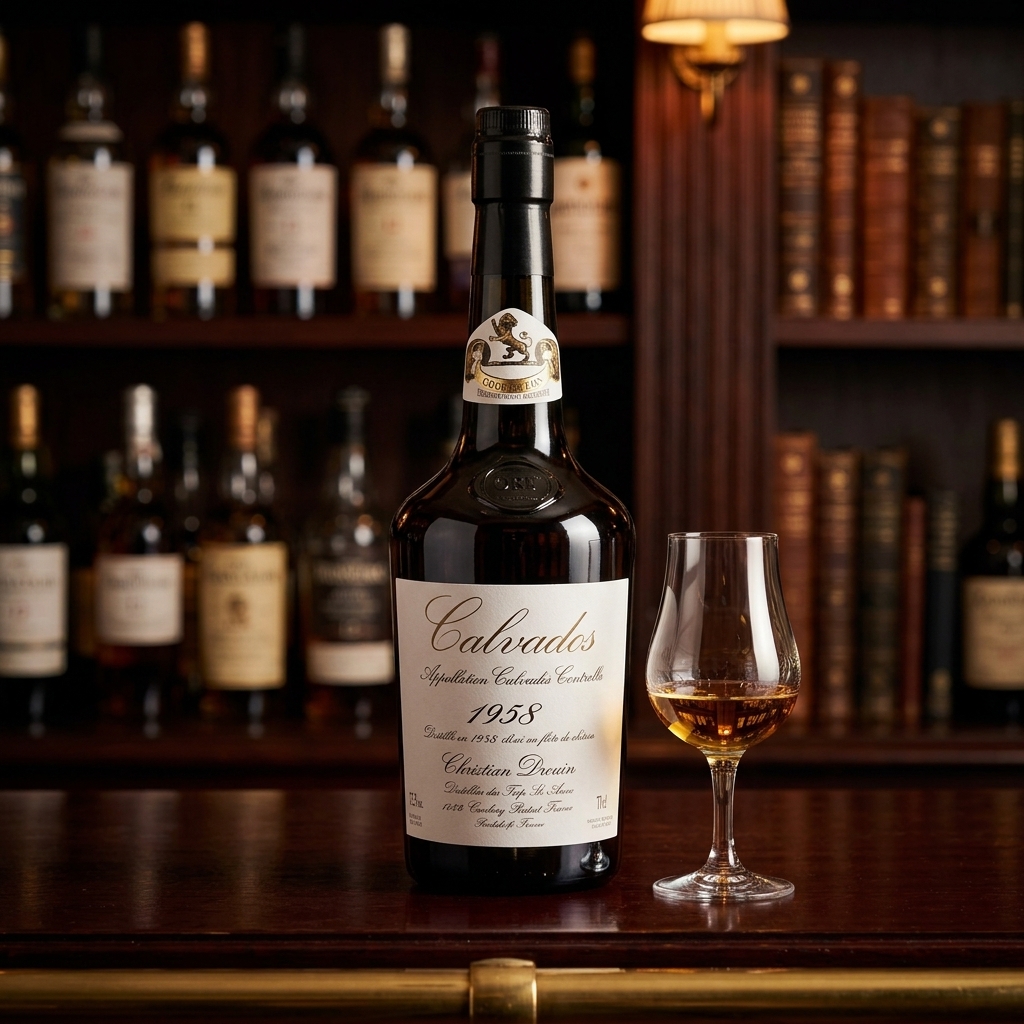
Fruit Brandies, Expensive
High Range Pricing
American Brandy
Makers here tend to be more chill on the rules, often producing reliable, good value bottles.
American Brandy Examples
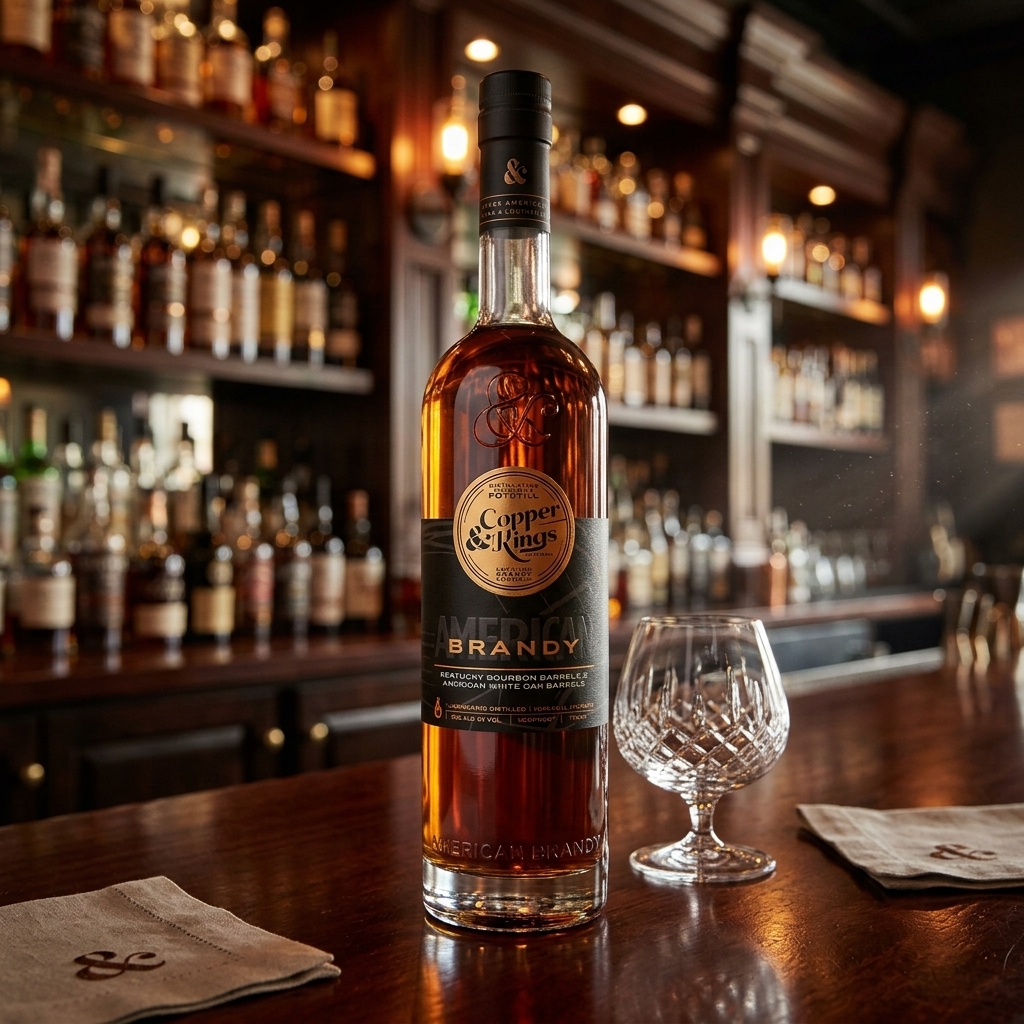
American Brandy, Entry Level
Low Range Pricing
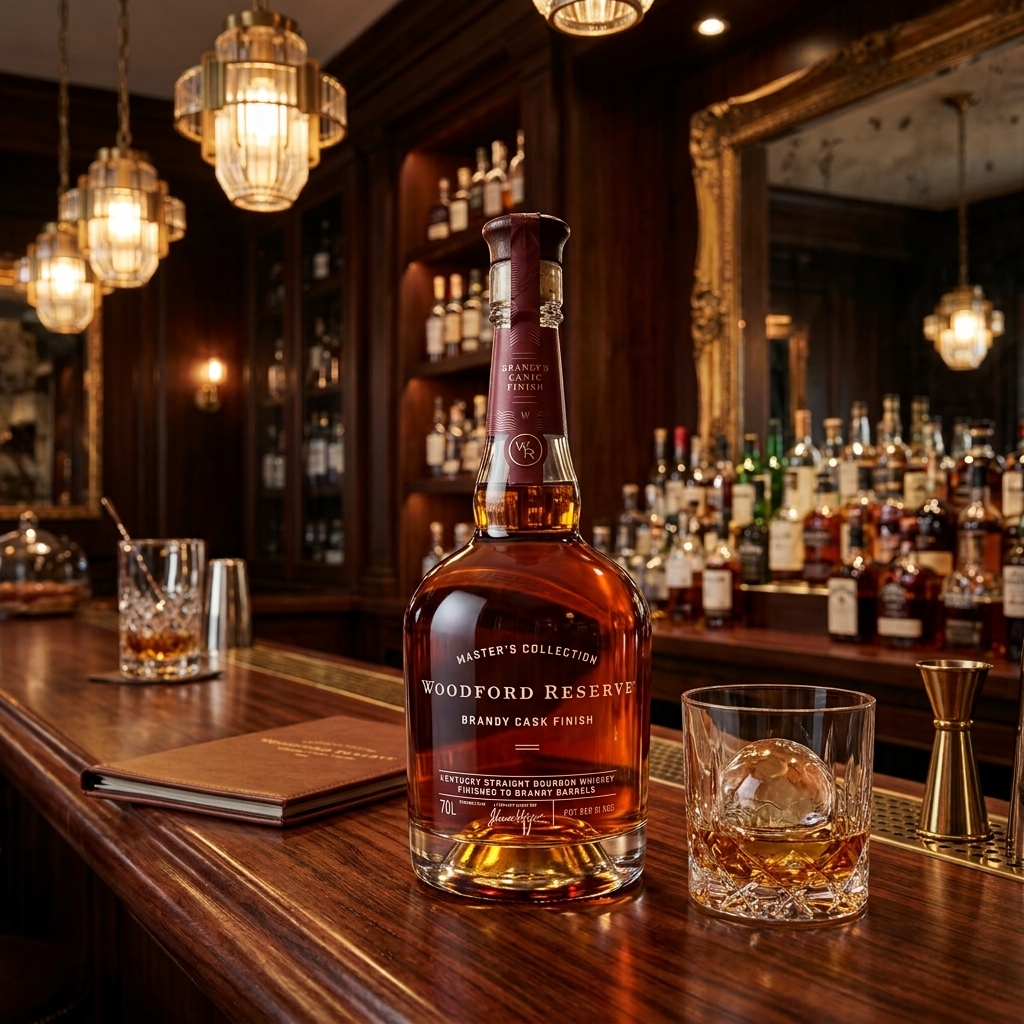
American Brandy, Expensive
High Range Pricing
Spanish Brandy
Brandy de Jerez is a lovely sweet style, delicious and pretty approachable for first timers.
Spanish Brandy Examples
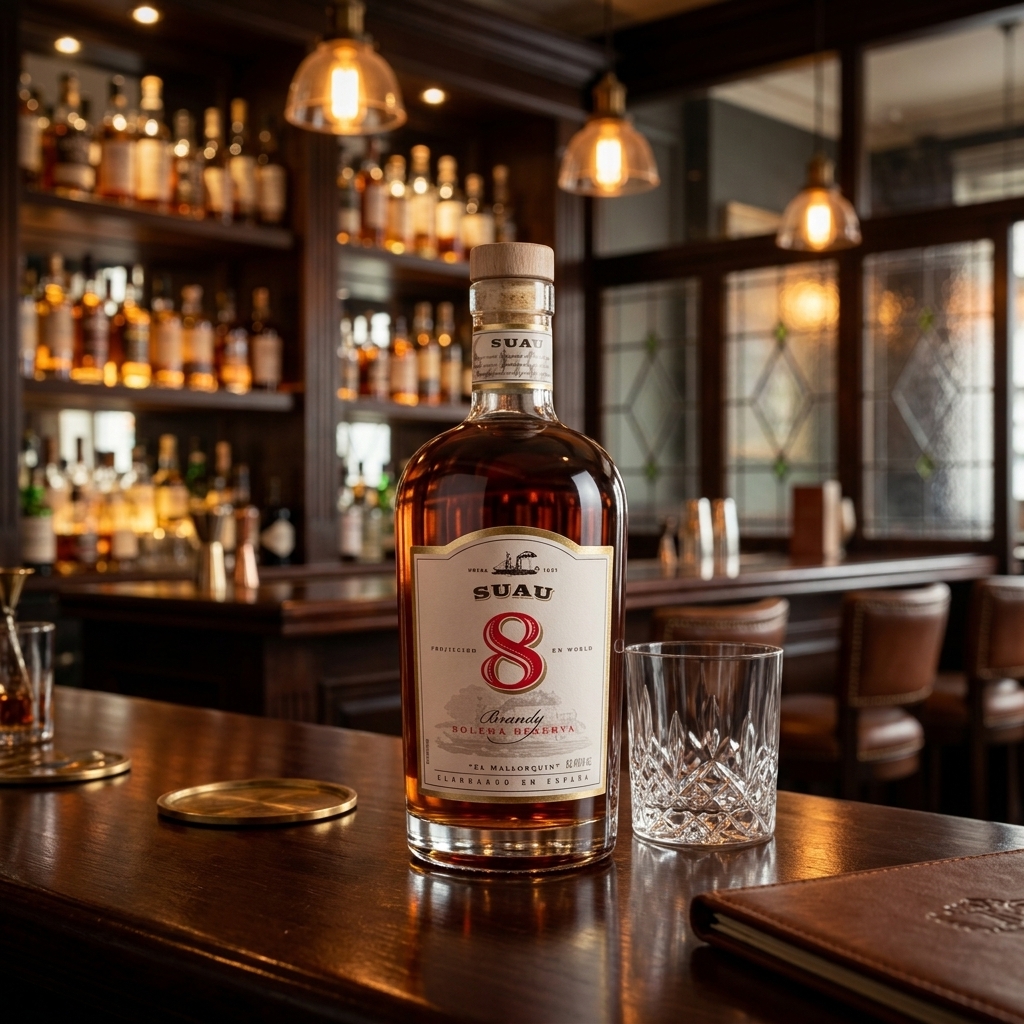
Spanish Brandy, Entry Level
Low Range Pricing
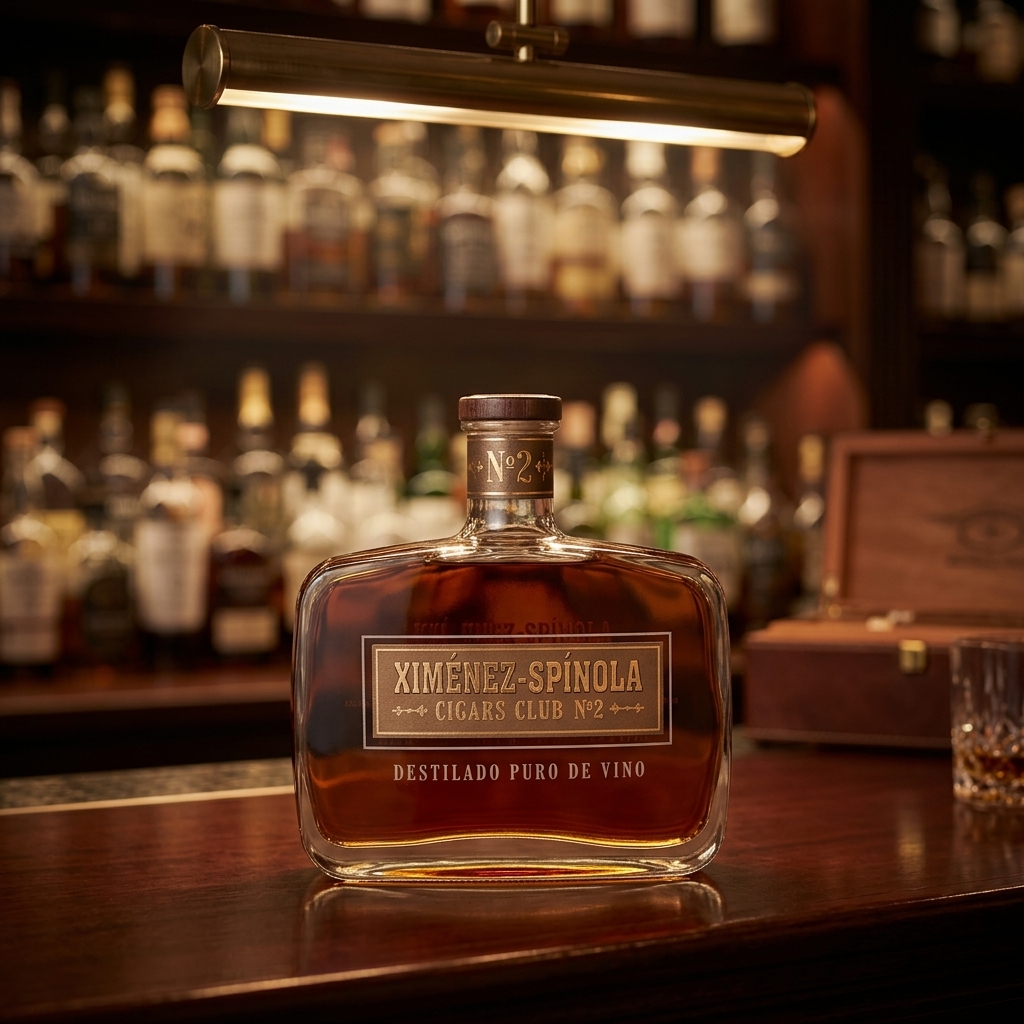
Spanish Brandy, Expensive
High Range Pricing
If you want to go way down the rabbit hole, the more you dig, the more local specialties you’ll stumble upon in Europe, South America, and beyond. Some countries, like Germany or Hungary, are big on plum or cherry versions, while Greece is known for Metaxa, a blend of grape brandy and wine with spices. South Africa and Australia have newer but increasingly popular takes as well.
What Goes Good With Brandy Liquor?
Brandy gets along with way more mixers than you might think. If you’re wondering what is brandy best mixed with, here’s a quick cheat sheet for top pairings:
- Soda water or tonic: A splash keeps things refreshing, especially with a squeeze of citrus.
- Lemonade or ginger ale: Both bring out brandy’s fruity notes and make for easy sipping.
- Coffee: Add a shot of brandy for a grownup wakeup call, perfect for cold nights.
- Apple cider: This one is seriously cozy. Heat up cider and stir in some brandy for a killer fall or winter drink.
- Sweet vermouth: A classic Manhattan style mix (swap in brandy for whiskey), which is a personal favorite.
And for the all-time greats, you can’t go wrong with a Brandy Alexander or a Sidecar (simple, classic, and never goes out of style). If you’re looking to up your cocktail game, check out our favorite cocktail shaker sets and essential home bar equipment.
Brandy’s warmth also makes it fantastic in winter warmers alongside chocolate-based or creamy drinks. Try mixing it with eggnog during the holidays, or use it as the base for a sangria if you want to get creative in summer. It is one of the most flexible spirits for at-home experimentation because it balances bold flavor with the ability to blend easily with fruits, herbs, and baking spices.
What Not to Mix With Brandy
For the most part, brandy is easygoing, but there are a couple of things I avoid when mixing:
- Highly bitter sodas: Like tonic or bitter lemon; these sometimes clash with brandy’s sweetness unless balanced properly.
- Overly sweet juices: Such as pineapple or mango blends, which can drown out the subtler notes of your brandy.
- Salt heavy stuff: Like tomato juice, nobody is lining up for a “brandy Mary” (and with good reason).
Bottom line: if you’re after something bright, pair with subtle, crisp mixers. Want it rich? Add creamy or spiced elements. And if in doubt, just pour it neat or over a big ice cube.
How To Choose a Good Brandy Liquor
If you’re shopping for a good bottle, keep an eye out for:
- VS, VSOP, XO labeling: These tell you how long it’s been aged. VS (Very Special): at least 2 years. VSOP (Very Superior Old Pale): 4+ years. XO (Extra Old): 6+ years. More aging means a smoother, more complex sip.
- Where it’s from: Cognac is always a safe bet for classic grape brandy. Calvados is a great apple option. Local craft distillers sometimes offer bargains.
- Fruit origin: If the bottle says what fruit was used, you’re usually in for a fun, unique flavor.
Tasting is believing, so if you see samplers, don’t be shy. Some all-time crowd-pleasers: Hennessy VSOP, Remy Martin VSOP, E&J VS (great value), Torres 10 from Spain, and Clear Creek’s Pear Brandy for something unusual. If you’re choosing for cocktails, don’t feel pressured to spend big; affordable bottles often shine in mixed drinks and punches, while more expensive options are perfect for sipping neat and savoring on special nights.
Shopping tip: check your local liquor store for smaller bottles or splits if you want to sample a few styles before picking your favorite. Ask the staff for personal recommendations; sometimes boutique shops carry local, small-production gems that punch above their price point, perfect for impressing your friends or for tasting flights at home.
Brandy in the Home Bar: Tips for Beginners
Brandy is pretty forgiving, and small investments go a long way. Get a bottle, a couple of nice glasses, and maybe a snifter (they do feel fancy). Keep brandy in a cool, dark spot. No need to refrigerate. If you’re building a home bar and looking for smart picks, my home bar guide has some really practical suggestions to help you look like you know what you’re doing.
Mixing brandy is a breeze; stir into classic cocktails, use it as a base for punches, or add a shot to a mug of hot chocolate for a super cozy winter treat. For maximum flavor, always try sipping it neat first. You might be surprised how approachable it actually is. If you want to branch out, try your hand at a brandy-based Old Fashioned, or pour it over baked fruits for a fun dessert twist.
When hosting, brandy can spark conversation. It has a sense of tradition and ‘wow’ factor, and many guests may not have tasted it outside of holiday eggnog. Show them how brandy works in creative mixed drinks or as an after-dinner sipper, and chances are good you’ll have a new crew of converts.
Random Brandy Facts and Myths Busted
- Brandy isn’t always brown! Clear or “eau de vie” brandies skip barrel aging for a fresh, fruity kick.
- It’s not just a grandpa’s drink. Brandy cocktails are making a comeback in popular bars everywhere.
- “Cognac” isn’t a fancy term for any brandy; it only applies to brandy made in Cognac, France, under strict rules.
- Brandy has even featured as medicine in ye olde times; back before cough syrup, people just had a nip of brandy (not medical advice, but kind of a cool tid-bit).
- Some brandies, especially fruit-forward styles like Kirsch or Slivovitz, are actually staples in European baking; they add a unique punch to desserts like Black Forest cake or flambéed fruit.
- When aged in different types of barrels (like sherry or bourbon casks), brandy can pick up unique layers of flavor, from nutty to smoky to spicy.
Frequently Asked Questions
What is brandy, in simple terms?
Brandy is a distilled spirit made from fermented fruit juice, most often grapes, aged in barrels for added flavor.
What is brandy best mixed with?
My top picks: soda water, ginger ale, lemonade, coffee, and apple cider. Each brings out a different side of brandy.
What not to mix with brandy?
I steer clear of bitter tonic, super sugary juices, and anything savory like tomato juice. These usually mask or clash with the flavor of good brandy.
What are the different types of brandy liquor?
You’ll find grape based types like Cognac and Armagnac, plus apple (Calvados), cherry (Kirsch), pear, and plum (Slivovitz). There’s a world of flavors to stumble upon.
What is a good brandy liquor for beginners?
Easy sippers include E&J VS, Torres 10, or a nice bottle of Hennessy VSOP. For fruit-driven options, try Clear Creek’s Pear Brandy or some Spanish brandies.
Is there anywhere that will ship brandy worldwide?
Of course. Check out this article on shipping liquor worldwide.
Brandy: A Super Versatile Classic
If you’re brand new to brandy, it’s not mysterious or stuffy. It’s approachable, food-friendly, and a solid hero for cocktails and sipping. Whether you’re enjoying it neat or mixing up something tasty, brandy holds its own in any liquor cabinet. It’s got a rich history, a huge range of flavors, and loads of creative cocktails to try. If you want to see how other liquors fit in, check out my guides to vodka mixers or whiskey basics. Here’s to raising a glass of something tasty; brandy might just be your new favorite nightcap.







I was wondering how long an opened bottle of brandy usually stays good. You mention keeping it in a cool, dark place and that it does not need refrigeration, but does the flavor start to change once the bottle has been opened? If someone only drinks brandy occasionally, could the same bottle still taste good a year or two later, or is it better to finish it within a certain amount of time?
Hi Hanna.
Yes, the flavor can gradually change after a bottle of brandy is opened, but it doesn’t suddenly go bad in the way milk or wine can.
Once opened, the main issue is exposure to oxygen. The more air in the bottle, particularly when the bottle is only partly full, the more opportunity there is for subtle changes in aroma and flavour. Over time, a brandy may lose some of its freshness, complexity or intensity.
For someone who only drinks brandy occasionally however, a bottle can certainly still be enjoyable a year or two after opening, particularly if it has been stored properly. There isn’t a strict “you must finish this within X months” rule for an opened bottle of brandy