
If you’ve ever wondered why tequila has its own kind of reputation, equal parts party hero and misunderstood spirit, you’re not alone. Tequila isn’t just something college kids order with lime and salt; out of all the different types of spirits, it’s a real craft spirit with a super fascinating backstory, cool traditions, and a taste profile that’s worth taking seriously (or at least semi-seriously, depending on how many margaritas you’ve already had).
Whether you’re looking for a new sipping adventure or want to know what tequila goes best with your favorite juice, this guide covers everything you’ve been curious about, and does so without the hangover.
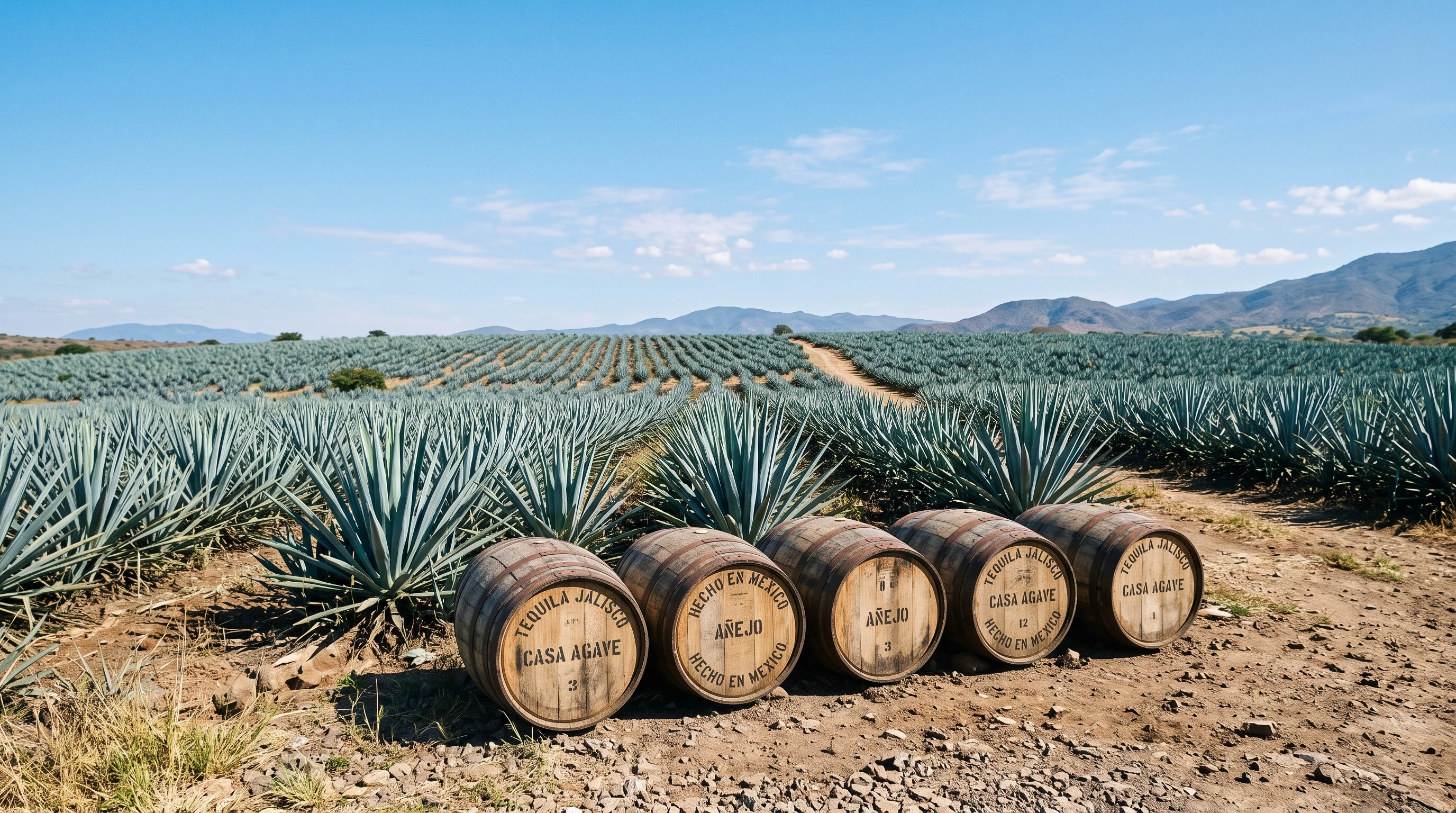
What Is Tequila Made From And Where Does It Originate?
Tequila is a distilled spirit made mostly in the region near the city of Tequila in Mexico. Now, despite what a lot of people assume, tequila isn’t just any old booze made from cactus. It’s made from the blue agave plant, which is sort of like a thick, spiky succulent, not a cactus at all. The blue agave thrives in the volcanic soils of Jalisco and a handful of other regions outlined by Mexican law. If the bottle doesn’t say “100% agave,” you’re probably not drinking the real deal, or you’ve got what’s called a “mixto,” which is a mix of agave and other sugars. Real tequila is all about the agave.
Mexico takes its tequila pretty seriously. There are rules in place to make sure that what you’re sipping is the genuine article. Tequila can only be made in specific areas; it has a protected Denomination of Origin, just like Champagne or Parmigiano-Reggiano. The heart of it all is Jalisco, but a few surrounding areas are allowed in on the fun too. Local pride runs deep, and that tradition is part of what gives tequila its distinctive vibe.
How Tequila Is Made: From Agave to Glass
The production of tequila involves a lot of manual effort (and some patience). Here’s the basic rundown; hopefully, you’ll find the process about as cool as the finished product:
- Growing the Blue Agave: It takes about 7 to 10 years for the agave plant to mature enough for harvest. Farmers called “jimadores” are the true agave whisperers, handling this part with wild-looking machete-style tools.
- Harvesting: Jimadores cut the leafy spikes to reveal the core (the “piña”), which looks a bit like a massive pineapple.
- Baking the Piñas: The piñas are sliced and baked in stone ovens or modern autoclaves. This step changes the agave’s natural starches into sugars.
- Extracting & Fermenting: The baked piñas are crushed to extract the sweet juices, then left to ferment. Raw agave juice has a unique aroma, like warm honey mingled with green pepper.
- Distillation: This is what turns the sweet, boozy mush into an actual spirit. Tequila is typically double distilled, though some brands go for three times to get extra smoothness.
- Aging (Optional): Not all tequila is aged, but those that are spend time in wooden barrels picking up flavor and color.
Local water and yeast strains have a major influence, so you’ll notice differences between brands, even if they’re using agave from the same fields. Some distilleries get creative at every step to build unique flavors that keep drinkers coming back for more.
The patience and manual labor that go into agave farming stand out in nearly every sip. Every jimador’s cut trims away years of growth and history, setting up the flavors that make each tequila brand unique. Some newer distilleries blend different baking and fermentation techniques, putting special twists on old traditions to create signature tastes.
What Does Tequila Taste Like?
If you think all tequila tastes like firewater, give your palate a reset and start fresh. When it’s made well, tequila brings lots of character: grassy, earthy, herbal, or slightly sweet, sometimes with hints of citrus, pepper, or vanilla, depending on how it’s aged. A younger “blanco” tequila usually has a bolder, more agave-forward flavor, while aged “añejo” or “reposado” tequilas mellow out and sneak in flavors from the wood barrels, like caramel or spice.
Some tequilas go down smooth, others have a pleasant burn (the good kind that warms you from the inside), and a few taste downright peppery. If you’re sampling something labeled “mixto,” you might spot a sweeter, slightly artificial note, since those aren’t 100% agave. The shape of your tasting glass can even make a difference; some flavor notes come out best in a tulip-shaped glass rather than a shot glass.
Not all tequila will taste the same, even in the same style. Terroir, the region’s unique geography and climate, affects the flavor, lending subtle differences. High-altitude agave often leads to softer, fruitier notes, while lowland agave tends to showcase bolder, earthier flavors. Exploring different brands can feel like a mini adventure through Mexico’s varied landscapes, all from the comfort of your favorite barstool or couch.
Tequila can be surprisingly complex, with flavors ranging from cooked agave and citrus through to pepper, herbs, vanilla and oak. If you’re interested in how another major spirit develops its flavor, what whiskey tastes like is a fascinating comparison.
Types of Tequila Explained
Tequila isn’t just a one-size-fits-all kind of drink. There are a few main categories you’ll find on the shelf, each with its own vibe:
Blanco (Silver or White) Tequila
Clear with a crisp, punchy taste that’s wildly agave-forward. It’s usually bottled straight after distillation, so you get all the pure flavors, totally unaged and unapologetic.
Blanco (Silver or White) Tequila Examples
The following bottles are examples of Blanco (Silver or White) tequila. I’ll provide examples of each type of tequila as we get to them, showing an entry level, and a top of the range.
You’ll be astonished at the price some of these expensive tequila types fetch.
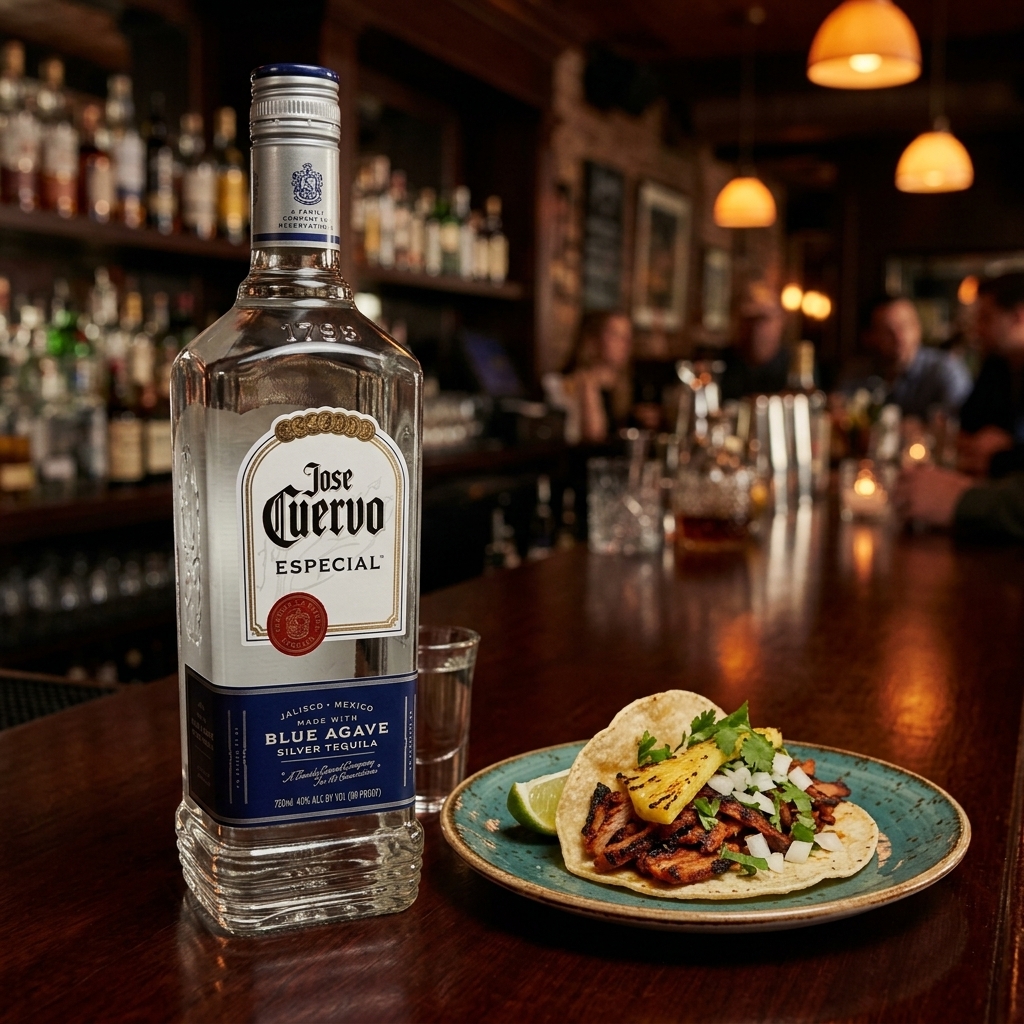
Blanco (Silver or White), Entry Level
Low Range Pricing
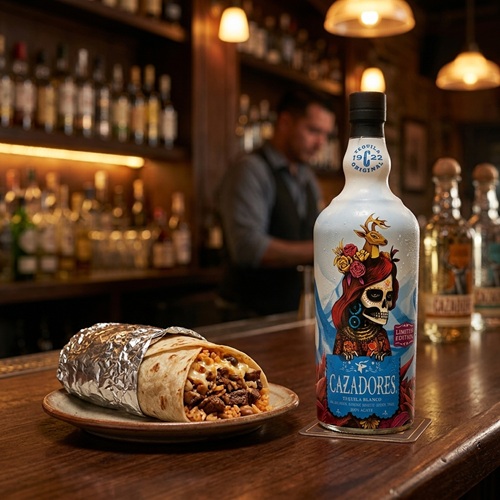
Blanco (Silver or White), Expensive
High Range Pricing
*The images in this article are an AI-assisted representation of the intended products. Bottle design, label artwork, packaging, batch release and alcohol proof may vary and can be updated by the producer without notice.
Reposado Tequila
The name means “rested.” This tequila chills in oak barrels for at least two months but less than a year. It sits right in the sweet spot, with some agave notes and a touch of oak and spice. It’s good for sipping or mixing.
Reposado Tequila Examples
The following bottles are examples of Reposado Tequila
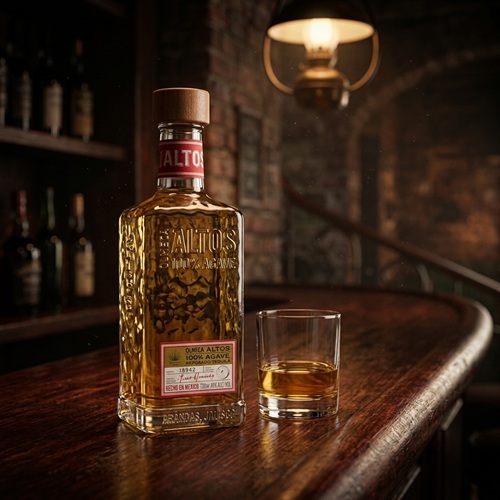
Reposado Tequila, Entry Level
Low Range Pricing
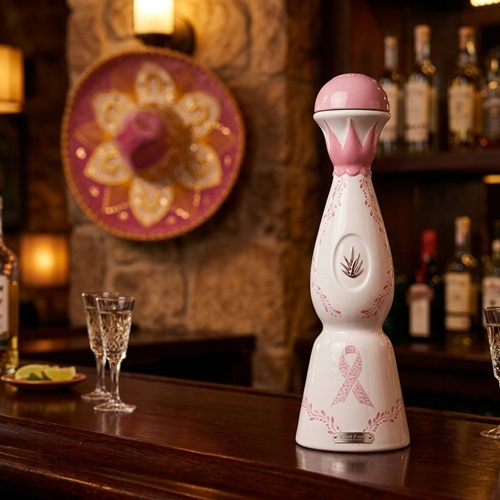
Reposado Tequila, Expensive
High Range Pricing
Añejo Tequila
“Aged” tequila that’s spent one to three years napping in barrels. It picks up smooth, rich flavors like vanilla, butterscotch, and sometimes even chocolate or tobacco. Great for neat sipping times.
Añejo Tequila Examples
The following bottles are examples of Añejo Tequila
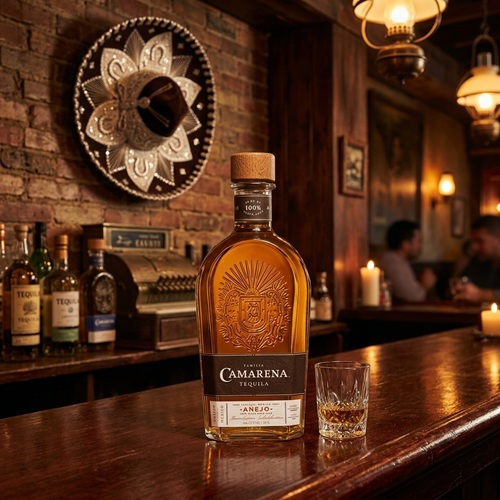
Añejo Tequila, Entry Level
Low Range Pricing
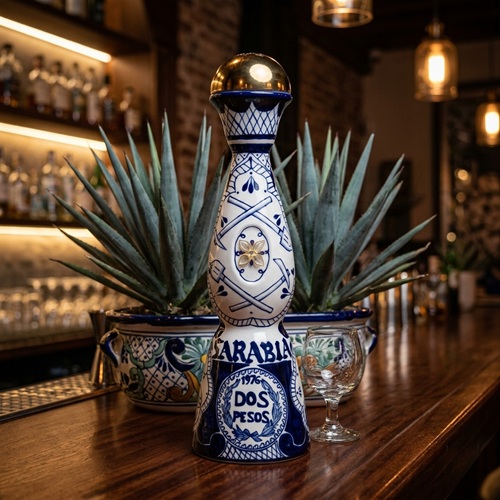
Añejo Tequila, Expensive
High Range Pricing
Extra Añejo Tequila
A newer category for tequila that’s been in oak barrels for three years or more. This dark, super complex drink is often pricier, making it the choice for serious sippers or people who want to impress their friends.
Extra Añejo Tequila Examples
The following bottles are examples of Extra Añejo Tequila
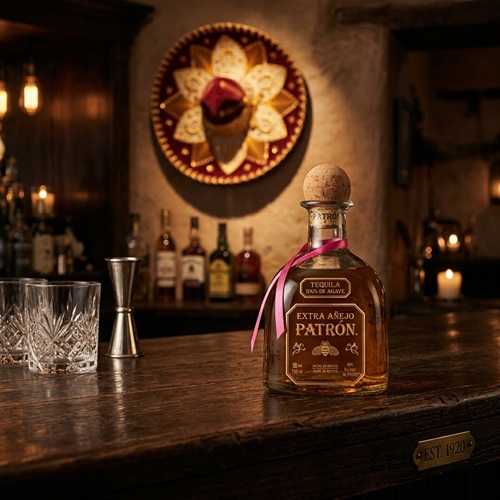
Extra Añejo Tequila, Entry Level
Low Range Pricing
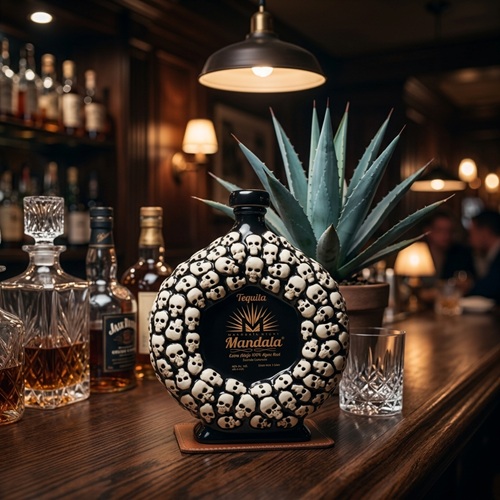
Extra Añejo Tequila, Expensive
High Range Pricing
Joven (Gold) Tequila
Usually a blend of blanco and aged tequila, or silver tequila with color and flavor added (sometimes caramel). Watch for mixtos in this group if you’re aiming for 100% agave.
Joven (Gold) Tequila Examples
The following bottles are examples of Joven (Gold) Tequila
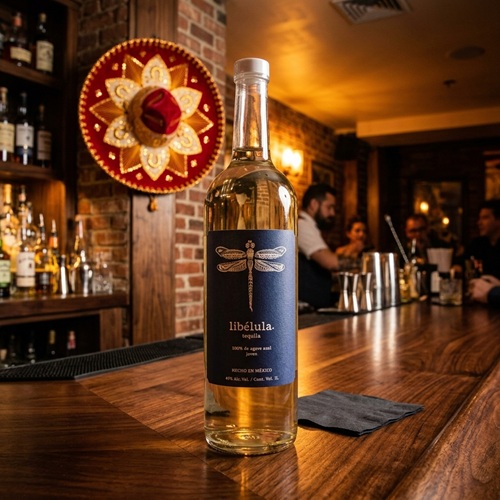
Joven (Gold) Tequila, Entry Level
Low Range Pricing
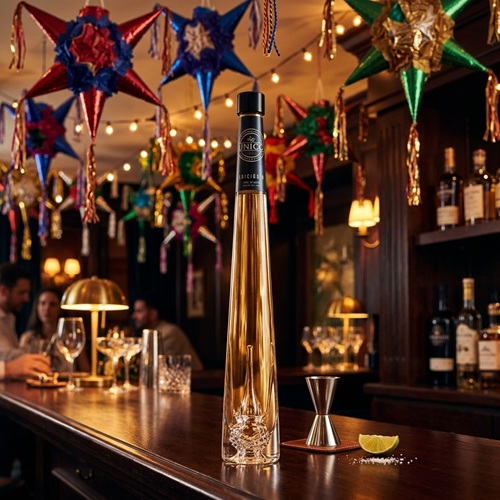
Joven (Gold) Tequila, Expensive
High Range Pricing
These types aren’t just marketing hype. Aging changes tequila’s taste and texture by leaps and bounds. Blanco for boldness, reposado for balance, and añejo when you want something to savor for a while.
Premium añejo and extra añejo tequilas are often better appreciated slowly, either neat or with carefully controlled chilling. If you enjoy chilled spirits without adding as much dilution, you can also learn more about the benefits of using whiskey stones.
Classic Tequila Cocktails & Mixers
If you’re wondering what tequila is best mixed with, you’ve got plenty of options. Some combos let tequila shine, while others smooth out its wilder edges. Here are some favorite mixers and cocktails:
- Margarita: Tequila, triple sec or orange liqueur, lime juice, and a salted rim. You simply can’t go wrong.
- Tequila Sunrise: Tequila, orange juice (OJ goes great with tequila), and grenadine. It looks awesome and tastes like summer in a glass.
- Paloma: Tequila with grapefruit soda (Jarritos or Fresca in a pinch) and a squeeze of lime. This is way more refreshing than plain soda cocktails.
- Mexican Mule: Tequila, ginger beer, and lime. Like a classic Moscow Mule, but with a much cooler ‘South of the Border’ vibe.
Besides these, tequila goes well with different juices like orange, pineapple, grapefruit, and even tomato (as in a Bloody Maria), so definitely check those out. Experimenting with fresh juices and herbs, like basil or mint, can step up your tequila cocktails to next-level cool.
Tequila is often used for shots with lime and salt, but there’s more you can do with it. It can carry a cocktail or hang back as a smooth base. If you’re throwing a party, try building your own DIY margarita bar so guests can mix their favorite flavors.
Tequila isn’t the only versatile spirit behind the bar. Vodka cocktails offer a completely different approach, particularly when you want the other ingredients to take center stage.
What Not To Mix With Tequila?
Some mixers just don’t vibe with tequila’s bold flavor. Cola might drown out agave’s subtler notes and wind up too sweet. Creamy mixers or dairy can taste odd because tequila’s sharp, earthy flavor doesn’t play nice with heavy, rich tastes. Stick with citrus, light sodas, or sparkling water for a safer bet and a more refreshing mix.
Go easy with super sugary, premade mixers or anything too herbal (like some amari or herbal liqueurs). These can totally overwhelm and clutter tequila’s natural flavors, which is a bummer, especially with higher-end bottles. Simple, quality ingredients let tequila’s real personality shine through.
How Is Tequila Different From Other Spirits?
What truly sets tequila apart is the agave. Most spirits are made from grain, potatoes, or sugar cane, but tequila is all about the blue agave. This single difference gives tequila a taste profile you just won’t find in gin, vodka, whiskey, or rum.
Compared to vodka, which is generally neutral and pretty clean-tasting, tequila is earthier and brings a wild, herbal kick. Vodka seems to disappear into cocktails, while tequila demands attention. As far as strength goes, standard tequila and vodka almost always clock in at 40% alcohol by volume (ABV), but tequila’s flavor makes it “feel” bolder. Whiskey and rum have their own characters, but neither can match tequila’s fresh, zesty edge.
Another thing to keep in mind is the culture around tequila. From sipping rituals to food pairings, there are traditions that turn tequila drinking into more than just another night out. Exploring tequila culture can add deeper appreciation for both casual and serious drinkers alike.
If you’re building a collection of spirits rather than just buying bottles one at a time, our guide to creating the perfect home bar covers everything from choosing your setup to stocking the essentials.
Health and Tequila: Is It Good or Bad For You?
No, tequila isn’t a miracle elixir, but it’s not the bad guy either—at least if you keep it moderate. Here’s a cool fact: 100% agave tequila is naturally low in sugar and gluten free. Some people (myself included) find that tequila, especially quality tequila, usually leads to less of a brutal hangover than other spirits. This could be thanks to fewer additives and congeners. Still, don’t push your luck; too much of any alcohol will make the next day rough for anyone.
There’s also some buzz about agavins (natural sugars in agave) possibly offering some health benefits, like not spiking blood sugar as much as other types of alcohol. But the main rule is always moderation. If you choose real tequila and skip the sugary mixers, you’re making a smarter choice for your wallet and your body.
Buying Tequila: Tips for Beginners
There’s a whole world of tequila out there, and it’s not all about price tags or fancy bottles. Here are a few things that help when choosing tequila:
- Always check for “100% Agave” on the label. Anything less is a mixto and generally less tasty.
- Try smaller pours before buying a full bottle. Many bars offer tasting flights, which is a fun way to sample a few types.
- Don’t be shy about asking staff for recommendations; good bottle shops and bars love to talk tequila and steer you toward gems.
- Start with blanco for cocktails if you’re new, then work up to reposado and añejo for sipping neat. Each kind has a different character to enjoy.
One personal anecdote—I used to think all tequila tasted like burning until I ditched the mixtos and started exploring real 100% agave brands. The difference is massive, so don’t let one rough night steer you away from tasting the good stuff.
Shopping tips: Avoid buying based solely on price or gimmicky bottles. Some lesser-known brands are more affordable and still pack amazing flavor. If possible, ask for a sample before committing. And don’t forget to check out local agave spirit tastings, which can be a relaxed way to find your new favorite sip.
Frequently Asked Questions
What is tequila best mixed with?
Classic mixers include lime juice, orange juice, grapefruit juice (for a Paloma), pineapple juice, ginger beer, and sparkling water. Tequila also goes great in margaritas and tequila sunrises, so these options are perfect for beginners and cocktail enthusiasts alike.
Is tequila stronger than vodka?
Not really. Both tequila and vodka typically hover around 40% ABV (80 proof), but tequila’s strong flavors sometimes make it “feel” stronger, especially for those not used to its unique bite.
What not to mix with tequila?
High-sugar sodas like cola, creamy mixers, or herbal liqueurs tend to clash with tequila’s sharp flavors. It’s usually best to stick with lighter mixers and leave the complicated stuff for other spirits.
What juice goes good with tequila?
Orange juice, grapefruit juice, and pineapple juice all work well in cocktails with tequila. These highlight agave’s fresh and zesty notes rather than hiding them beneath too much sweetness.
What’s the difference between tequila and mezcal?
Tequila is actually a type of mezcal, but not all mezcal counts as tequila. Mezcal can be made from several types of agave and is often more smoky, while tequila is only made from blue agave and has a cleaner, earthier taste. You can check out more about mezcal here if you’re curious.
Does tequila have to be made in Mexico?
Yes. Only spirits made in particular parts of Mexico get to call themselves tequila. Anything else is just agave spirit, no matter how tasty it might be.
Is there anywhere that will tequila brandy worldwide?
Of course. Check out this article on shipping liquor worldwide.
Final Thoughts: Tequila Is Worth Exploring
Tasting tequila the way it’s meant to be enjoyed—slowly, without rushing, and really appreciating the agave and centuries of tradition—can be an eye opening experience. Tequila isn’t just for parties or quick shots; there’s a full spectrum to try and plenty of new flavors to stumble upon in every bottle. If you’re looking for great mixers or want to take your cocktail game up a notch, tequila is a solid bet. You just might stumble upon your new favorite spirit.
Give real tequila a shot, and you’ll realize it’s not just a party trick; it’s a legit adventure in a glass. So, next time you’re at the bar or shopping for something different, grab a bottle of 100% agave tequila and see where this Mexican classic can take you. Cheers to your next level cool tequila adventure!






Wow, I didn’t realize that it took so much time to make tequila and how much expertise and experience goes into the process. When we went to Mexico a few years ago, we were offered so many different flavors of tequila, and more than I have ever seen elsewhere. I loved some of them, and would have bought some home if I had had the space.
Of course my favorite way to drink a tequila is in the form of a margarita, and there was nothing as refreshing on a hot day. I also didn’t know that the quality of the tequila depends on how bad your hang over will be the next day.
It sounds like Mexico may have spoiled you for tequila forever! And I’m with you on the margarita—there’s something about one on a hot day that makes you forget all your responsibilities.
As for the hangover theory, unfortunately, tequila quality doesn’t come with a magical “hangover protection” guarantee. Drinking too much of even the finest tequila can still have you questioning your life choices the next morning!
This is a very interesting and informative guide to tequila. I didn’t realize that tequila is made from blue agave, or that there are so many different types, from Blanco and Reposado to Añejo and Extra Añejo. There’s clearly a large production process, which shows how much time and work goes into creating the final product. I think your comparison between the different aging methods and their effect on taste is easy to understand. Thanks for sharing such a detailed guide!
Appreciate your comments Mala. You’d be amazed at not only the different types of tequila there are, but you can also check out our other guides explaining the different types of Whiskey, Vodka, Gin and Rum.
Thanks for commenting on how useful you found our article.