
If you’ve ever found yourself enjoying a tropical cocktail and thinking, “What exactly am I drinking?” you’re not alone. Rum is one of those spirits with a wild past, plenty of personality, and a reputation for inspiring both good stories and questionable dance moves.
From pirates and beach bars to high-end home bartending, understanding what rum actually is can be pretty handy, whether you want to impress friends or just avoid mixing up something you instantly regret. I’ll break down what rum is, how it’s made, what it tastes like, and share some genuinely useful facts for anyone curious about this sugarcane superstar.
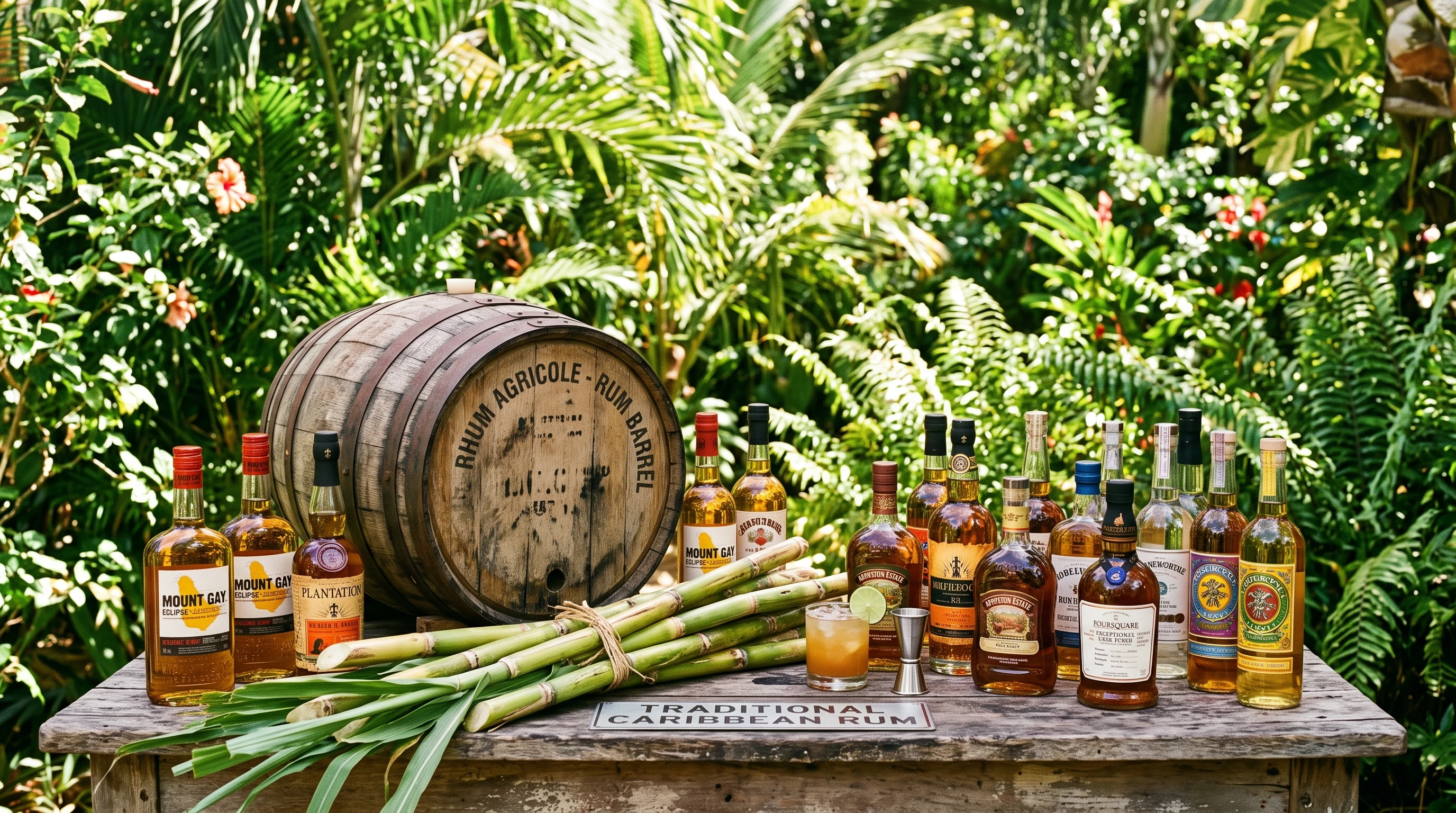
Rum Basics: What Is Rum?
When someone asks “what is rum?” the shortest answer is: rum is a distilled alcoholic spirit made basically from sugarcane. This doesn’t mean it tastes like licking a candy cane, though some rums are indeed on the sweeter side! Most rums use either fresh sugarcane juice or molasses (a thick, dark by-product of making sugar) as their base, and the process is surprisingly old. Think back to the 1600s, with sailors trading barrels of the stuff across the Caribbean, and you’re right on track.
The process starts by fermenting the sugarcane by-product (most commonly molasses). Yeast eats up the sugars to make alcohol, then the liquid goes through distillation to boost its strength before being aged (or not) in barrels. If this sounds a little like how other spirits are made, you’re not wrong! For a sense of how rum stacks up alongside other drinks, I highly recommend checking out Every Type of Spirit Explained: The Ultimate Guide to Liquor.
Rum’s roots trace back to the Caribbean and parts of South and Central America, but now you can find rum being made all over, from Fiji to the Philippines. Each region creates a slightly different style, but the sugarcane foundation is universal. There’s a romance to the way sugarcane is grown and harvested, and in many tropical regions, rum is tied to local traditions and celebrations. Some local distilleries are small-scale family operations, while others produce rum that is shipped worldwide. This diversity helps explain the wide flavor spectrum and the unique bottle designs you’ll spot on store shelves.
How Is Rum Made?
Getting from sugarcane to a glass of rum isn’t overly complicated, but there’s plenty of science (and a touch of magic) along the way. Here’s a quick breakdown of the main steps:
- Fermentation: The process kicks off by mixing water with sugarcane juice or molasses. Yeast is added so the sugars convert into alcohol, sort of like baking, but instead of bread, you get booze.
- Distillation: Next up, the alcoholic liquid is heated in big copper stills or more modern columns. The alcohol evaporates, travels through tubes, and condenses back into liquid—strong and ready for the next step.
- Aging: Some rums are bottled right away (these are called “white” or “silver” rums), but others get aged in oak barrels for anywhere from a few months to several decades. Aging makes the rum smoother and can give it notes of spices, vanilla, or caramel.
- Blending & Bottling: Many rums are blended to balance out flavors, then watered down to the right proof, and bottled up for us to enjoy.
Different distilleries use their own tricks, and in the Caribbean, you’ll find a lot of really traditional methods that add a ton of character. Age statements on a rum bottle are worth paying attention to; they give you a clue about what to expect in the glass.
Curious about how spirits are made in general? The deep jump into What Is Tequila? A Complete Guide to Types, Taste & How It’s Made is worth checking out for comparison.
One unique aspect of rum production is the use of wild or cultivated yeast strains. Some distillers rely on local yeast floating in the air, which adds terroir and regional flair to the flavor profile. Larger producers often use cultivated yeast to ensure consistency.
The water source also plays a key role; rums made with mineral-rich spring waters can pick up subtle earthy notes. Equipment matters as well: copper pot stills lend richer, fuller flavors, while column stills create lighter, smoother rums suitable for mixing. These layered processes make rum a fascinating spirit for both casual drinkers and spirits geeks alike.
What Does Rum Taste Like?
You might expect all rum to taste sweet or sugary, but the flavors can actually be pretty complex. Here’s my take:
- White Rum: Usually light, clean, and slightly sweet. Perfect for mixing, but not overpowering on its own. You’ll often taste grassy or slightly fruity notes.
- Gold or Amber Rum: Picks up a bit more flavor from short barrel aging; think hints of vanilla, toffee, and maybe some stone fruit. Still super friendly for cocktails.
- Dark Rum: These get their color and character from longer time in barrels and sometimes added caramel. Expect richer flavors: molasses, dried fruit, spice, and sometimes a smoky kick.
- Spiced Rum: Bottled with extra spices and sometimes citrus peel or vanilla. It’s a fun bottle for cocktails but tends to be a little sweet and punchy.
- Aged Rum: When the label brags about being aged for “X” years, expect something smooth, layered, and nicely sippable. Swirl it around a glass like you would whiskey.
The point is, there’s a rum for almost every palate, from ultra-light and mild all the way to deep and robust. For those who also appreciate gin or whiskey, exploring rum can be a treat (and if you’re curious about gin’s quirky flavors, see What Is Gin and What Does It Taste Like?). Some brands experiment with even more unique flavor infusions, like coffee or tropical banana-based rums, showing how creative the world of rum has become.
Professional rum tasters look for a balance of sweetness, spice, fruitiness, and even hints of oak or tobacco. If you’re new to straight rum sipping, start with a small pour neat or with a single ice cube so the aromas can open up. Much like you would with whiskey, swirling and sniffing can actually help you pick up those layered scents of sugarcane, caramel, and spice.
Different Types of Rum Explained
Choosing a rum at the store can feel like picking a random book off the shelf by its cover. Here’s a guide to lay out the main categories:
White/Silver Rum Examples
Clear, light, usually unaged. The workhorse of cocktails, from Mojitos to Daiquiris.
The following bottles are examples of Rum. I’ll provide examples of each type of Rum as we get to them, showing an entry level, and a top of the range.
Be aware though, if you decide to check out the price of the expensive Rum type, make sure you’re sitting down. Some of these fetch staggering prices.
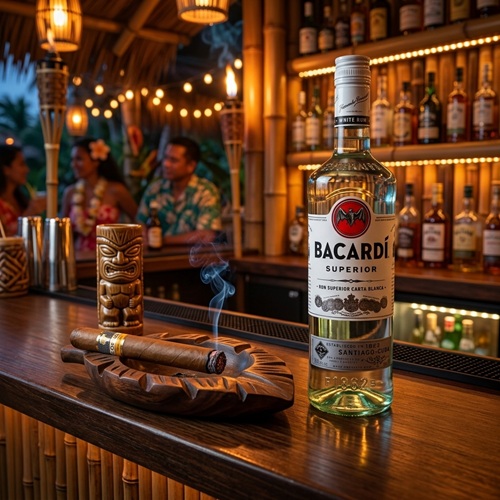
Rum, White/Silver, Entry Level
Low Range Pricing
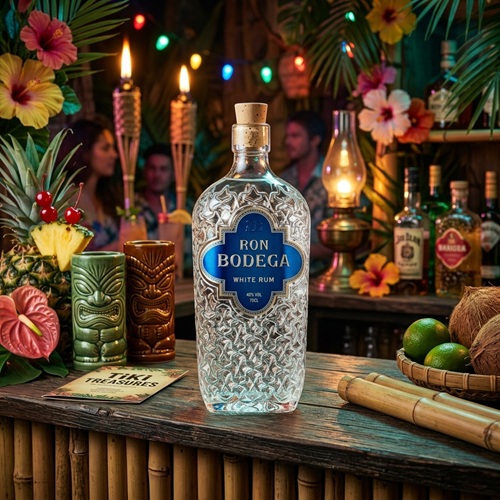
Rum, White/Silver, Expensive
High Range Pricing
*The images in this article are an AI-assisted representation of the intended products. Bottle design, label artwork, packaging, batch release and alcohol proof may vary and can be updated by the producer without notice.
Gold/Amber Rum Examples
Slightly aged and takes on a golden hue. Smoother and richer, but still pretty approachable in cocktails.
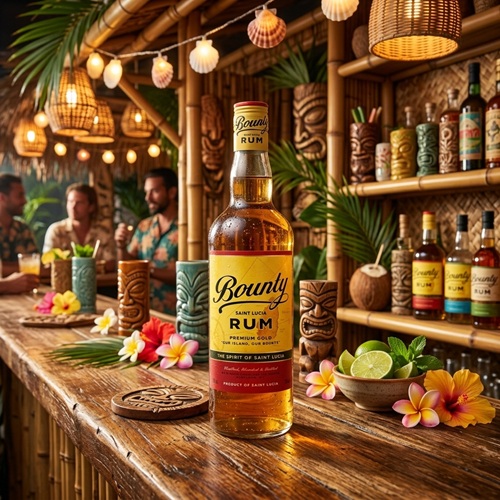
Rum, Gold/Amber, Entry Level
Low Range Pricing
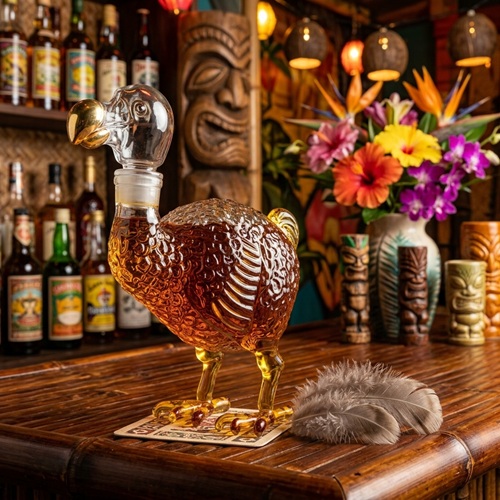
Rum, Gold/Amber, Expensive
High Range Pricing
Dark Rum Examples
Deeper color and bolder flavor, great for baking or Tiki classics (hello, Dark ‘n’ Stormy).
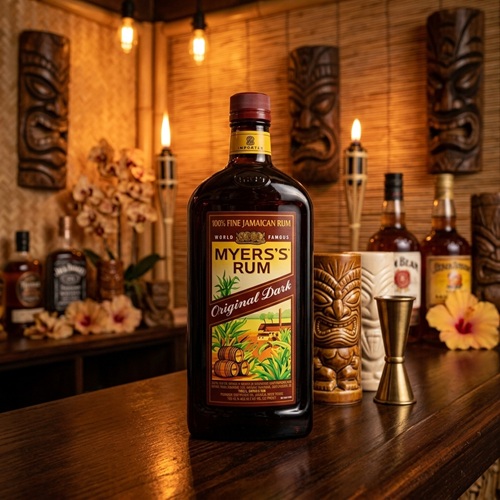
Rum, Dark, Entry Level
Low Range Pricing
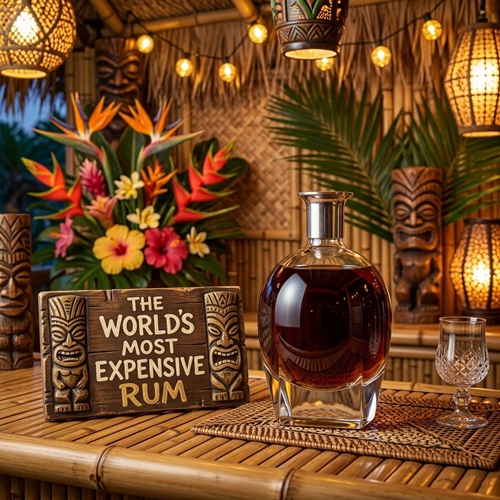
Rum, Dark, Expensive
High Range Pricing
Spiced Rum Examples
Flavored up with spices and sometimes sweeteners. Good for doing shots, but also sneaky good in cola.
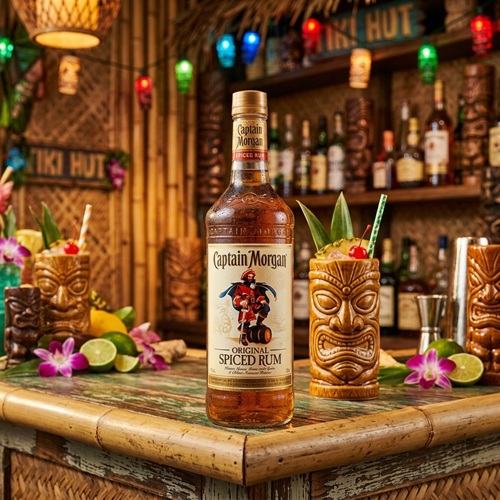
Rum, Spiced, Entry Level
Low Range Pricing
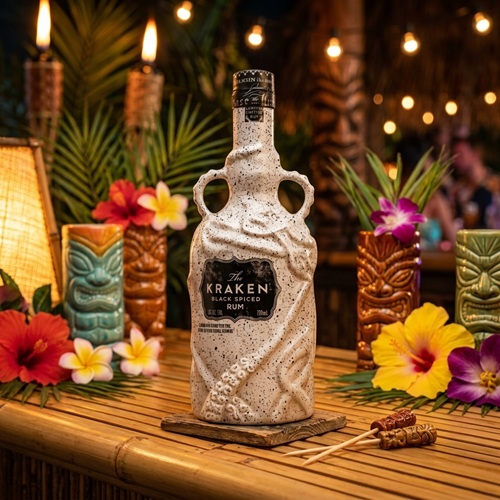
Rum, Spiced, Expensive
High Range Pricing
Añejo/Old/Reserva Rum Examples
These spend extra years in barrels. Smooth, complex, and honestly nice on their own; think sipping rather than mixing.
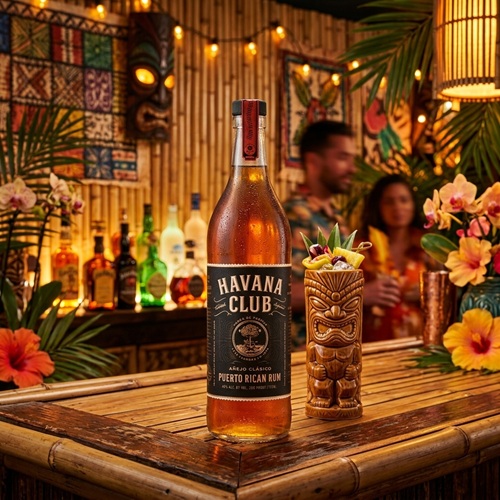
Rum, Añejo/Old/Reserva, Entry Level
Low Range Pricing
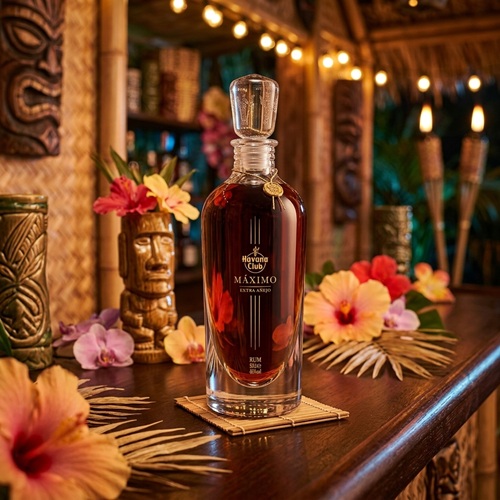
Rum, Añejo/Old/Reserva, Expensive
High Range Pricing
Overproof Rum Examples
Turbo-charged booze, clocking in much higher (sometimes way above 57% ABV). Use with caution or for cocktails that need a punch.
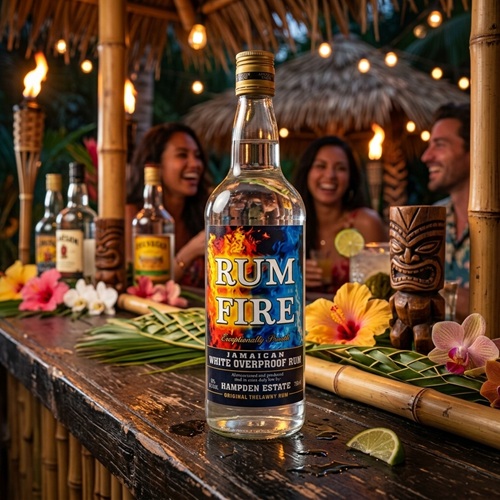
Rum, Overproof, Entry Level
Low Range Pricing
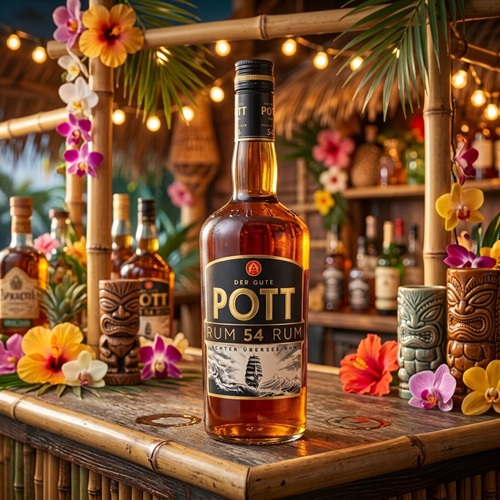
Rum, Overproof, Expensive
High Range Pricing
There are even regional styles worth exploring. Rhum Agricole from French islands is made with fresh sugarcane juice and has a grassy, earthy note, while cachaça (technically Brazilian rum) brings its own funky side.
Navy strength rum is another heavyweight, originally made for ship crews, and feels like pure fire on your tongue. If you’re trying to build your own home bar and want to know how rum fits in, there’s a great roadmap over at Guide to Creating the Perfect Home Bar. Whether you want something to sip neat or blend into punches, there’s a rum variety out there that’ll match your vibe.
What Is Rum Best Mixed With?
This is maybe the most popular question I get about rum (besides “should I dress up like Captain Jack Sparrow?” which is your call). Rum’s versatility means you can mix it in a bunch of fun ways. Here are a few ideas for what rum is best mixed with:
- Cola: Rum and Coke is a classic for a reason. It’s universally friendly and you rarely mess it up.
- Lime Juice: A squeeze of lime freshens up a simple rum cocktail like a Daiquiri or just a basic rum and lime on the rocks.
- Ginger Beer or Ginger Ale: Dark rum plus spicy ginger beer is the very chill Dark ‘n’ Stormy. Ginger ale works for a milder vibe.
- Pineapple Juice: Tropical, sweet, and delicious—perfect with white or gold rum for a DIY Beach Bar moment at home.
- Coconut Water: Rehydrating and refreshing, especially with a touch of lime. A nice, light mixer when you want something a little healthier.
- Cranberry Juice: Surprisingly tasty, adds a tart kick that plays off lighter or spiced rums nicely.
Other favorites include using rum with bitters and a squeeze of orange, especially in tiki or punch drinks. Mint, basil, and even jalapeno can be muddled with rum for a refreshing and unique take. If you want recipes with actual measurements and a bit of Tiki flair, check out Cocktail Recipes with Rum for some easy (and a few over-the-top) drinks to try.
What Juice Goes Good With Rum?
If you’re in juice-mixing mode, there’s no need to limit yourself. Pineapple, orange juice, mango juice, lime, and even passion fruit all go great with different rums. If you want to invent your own drinks, starting with pineapple and lime is usually a safe bet. White and gold rums are the most forgiving for experimenting with fruit juices.
Also, guava juice can give a next-level cool tropical twist, and berry blends provide color and tartness that pair nicely with spiced or dark rums. Don’t be afraid to check out juice combinations—a splash of ginger or a few muddled fresh herbs can raise your homemade cocktails up a notch.
What Not to Mix With Rum: Common Pitfalls
While rum’s a mixing superstar, not every ingredient is a winner. Here are a few things I suggest avoiding if you want your drink to turn out tasty instead of tragic:
- Dairy (Milk, Cream, or Half-and-Half): Unless you’re making a specific recipe like a Coquito or classic Egg Nog, milk plus most rum usually results in a weird, curdled mess.
- Energy Drinks: Not just with rum, but in general; energy drinks aren’t a safe or tasty mix with booze. If you want the party to go all night, get some sleep instead!
- Bitter Liqueurs (like Campari): These can sometimes overpower lighter rums. Even if you’re feeling creative, it’s trickier to balance flavors, and a light hand is key.
- Red Wine: Generally speaking, avoid club-level “rum and red wine” combos. They rarely play nice, unless you’re making a punch with lots of fruit and extra sugar for balance.
Stick with classic pairings or explore with fresh juice and you’ll usually be good to go. Feel free to experiment, but maybe keep a backup mixer nearby in case things get weird. Also, some herbal and overly floral notes (like rosewater or lavender syrup) can clash with the fundamental flavors of rum. When in doubt, stick to citrus, tropical fruits, and simple syrups to keep your drink harmonious.
Real World Rum: Tips for New Rum Drinkers
Starting your rum adventure can be both fun and a little overwhelming given the number of bottles out there. These are my go-to pointers for getting into it:
- Start Simple: Pick up a solid, affordable white rum and a decent gold or aged rum. Skip the super pricey bottles at first.
- Mix, Then Sip: Test your rum in a basic cocktail (like a Mojito or Rum and Coke), then pour a little straight for sipping. This helps you actually taste the spirit, not just the mixer.
- Read Labels: Not all rums are made equally. Some have extra sugar or flavors added. If you’re into a drier or more sophisticated rum, look for “unadulterated” or “pure” on the bottle, or do a quick online search for reviews.
- Shop Internationally: Caribbean rums are famous, but French, Brazilian, or even Filipino rums bring something cool to the table. Don’t be afraid to branch out.
- Accessorize: If you’re mixing at home, a decent shaker kit (something like one of the Best Cocktail Shaker Sets) plus some must-have bar equipment (Essential Home Bar Equipment) makes everything easier and a lot more fun.
Attend local tastings, if available, to sample a variety of rums and get a sense of what styles and brands appeal most to you. Online rum communities and forums can offer real user reviews and recommendations, making your rum adventure more interactive and personal. Some specialty liquor stores even host rum clubs, providing chances to check out limited releases and learn from experienced bartenders or brand reps.
Frequently Asked Questions About Rum
Here are some of the most common questions I’ve gotten from people starting to explore rum, and answers that should clear up any confusion.
Question: Is rum always sweet?
Answer: Not all rums are sweet. Some are drier and spicier, especially aged and overproof rums. It depends a lot on where it’s made and how much (if any) extra sugar is added after distillation.
Question: Can you sip rum like whiskey?
Answer: Absolutely! Many aged rums are fantastic on their own or over a big ice cube (or even with a whiskey stone, see What Are the Benefits of Using Whiskey Stones?). Rum and whiskey actually share plenty of similarities when it comes to aging and sipping culture. For more on whiskey, check out What Is Whiskey?.
Question: Is rum gluten-free?
Answer: Most rum is gluten-free since it’s made from sugarcane, not grains. As always, check the label—some flavored or spiced rums might have extra ingredients, but standard rums are generally a safe bet.
Question: What’s better for mixing, rum or vodka?
Answer: Both are great, but rum adds more depth and flavor than plain vodka. Vodka is super neutral (read about that at What Is Vodka Usually Mixed With?), while rum brings sweetness, spice, and unique regional twists to cocktails.
Is there anywhere that will ship rum worldwide?
Of course. Check out this article on shipping liquor worldwide.
Rum for Home Bars and Parties
Rum is a versatile bottle to keep in your home bar, whether for cozy nights in or big group hangouts. Its range of styles means there’s a bottle for everyone, whether you prefer light, zesty mixers or bold, rich sippers. If you’re into home entertaining, it’s worth finding a nice spot to store your rums. Look for some great Man Cave Furniture, and a practical bar setup will require Essential Home Bar Equipment.
I like to keep a few go-to rums on hand for spontaneous cocktail moments, usually a white rum for fun summer drinks and a spicy or aged rum for sipping or classic Old Fashioned style cocktails (yes, that’s a real thing with rum!). A clever strategy for home bars is to rotate your rums seasonally—a coconut or pineapple-infused rum for summer parties, and a deeper, winter spice rum for the holidays. Keeping track of your collection can be as simple as using a dedicated notebook or a bar app, ensuring you remember your favorites and standout bottles for your next restock.
Where to Go From Here
Rum isn’t complicated, but exploring all the varieties and mixing options makes things more interesting every time you crack open a new bottle. I’ve shared my favorites and the basics, but tasting a bunch and finding your own winners really is part of the fun. For even more mixing inspiration and some Tiki throwback drinks, here’s some more Cocktail Recipes with Rum.
No matter if you’re sipping solo, mixing drinks for friends, or just stocking up your home bar, rum is a relaxed and tasty way to keep spirits high and good times rolling. Cheers to many more rum-fueled adventures!






Robbo, thanks for mapping out rum from its sugarcane roots to the wide range of ways it can show up in a glass. The regional angle is especially useful because a grassy agricole, a molasses-forward dark rum, and an aged sipping rum can feel like completely different spirits even before the mixers enter the picture!
For a home bar, keeping one clean white rum and one fuller-aged or dark rum seems like the sweet spot, since it covers everything from a lime-forward Daiquiri to a colder-weather cocktail with ginger and bitters. What’s your favorite approachable bottle for someone who wants to start noticing those production and regional differences without jumping straight into overproof territory?
Sounds like you’re fairly experienced in the world of spirits Aly.
For someone just starting to explore those differences, I’d probably go with Appleton Estate Signature Blend. It’s a very approachable 40% ABV Jamaican rum, but there’s enough character there to start picking up on the things that make Jamaican rum different. It’s a blend of pot- and column-still rums, aged for an average of four years, with fruity, citrus and molasses notes coming through.
It’s also a good stepping stone before venturing into the higher-proof stuff. You can sip it neat, try it over ice, or put it into a simple cocktail and see how those flavors change.
If you want to explore it further, Cask Cartel has Appleton Estate Signature Blend available.
What would a cocktail be without a dash of rum. I am not mad about drinking it neat, but it is awesome in a cocktail. I also learned something new today. I didn’t know that most rum was made with sugar cane or molasses. That does explain why it is a bit sweeter than other fermented spirits.
When we buy a bottle of rum, we normally always chose the spiced rum, as that has a different taste to the rest and it goes down very well either with cocktails, or on a cold winter eve.
Pleased I could share some helpful information regarding how rum is made. I actually went to a distillery in Grenada, a Caribbean island. Although it was the most potent overproof Rum I can remember (Rivers Rum), the distillery tour was insightful and amazing.
You’re certainly correct when it comes to appreciating a nice spiced rum on a cold winters night. Then again, ‘any port in a storm’ as they say.