
Gin holds a special place on the bar shelf, and I’ll be honest—it’s one of my favorites for a good reason. Whether you’ve had a classic Gin & Tonic or been mystified by all the different bottles at the liquor store, there’s a lot to learn (and taste) about this timeless spirit.
In this guide, I’ll walk through exactly what gin is, where it comes from, what to expect in terms of flavor, some practical tips for picking a bottle, and a whole lot more for anyone considering adding gin to their home bar.
Gin is one of the world’s most interesting spirits, largely because of the huge variety of botanicals distillers can use. If you’re interested in how gin compares with whiskey, vodka, rum and other spirits, check out our complete guide to every type of spirit.
What Exactly Is Gin?
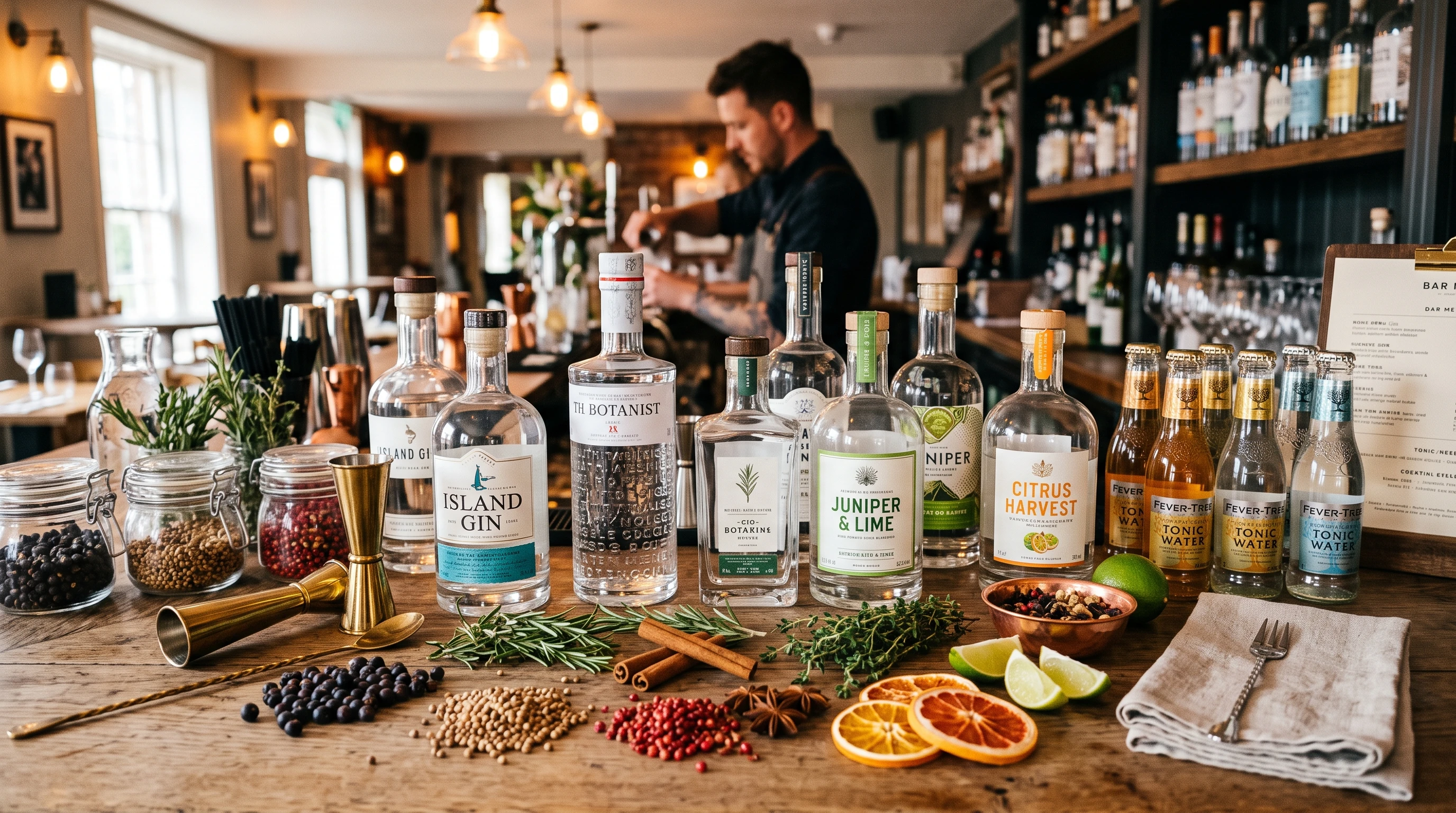
Gin is a clear spirit that stands out for its strong botanical flavors, most notably juniper berries. Legally, for a liquor to call itself gin, juniper has to be the main taste, but distillers often add all kinds of herbs, spices, roots, and fruits (called botanicals). You might stumble upon hints of citrus peel, angelica root, coriander, or even things like lavender. Honestly, it’s as if someone tossed a chunk of the garden into a still, and that’s pretty much what happens.
Most gin starts life as a neutral grain spirit, similar to vodka, and is then redistilled with those botanicals. That’s why gin can taste so unique from bottle to bottle; it’s all about each distiller’s special recipe. Some brands lean heavy on citrus, while others double down on spice or floral notes, creating a wide spectrum of tastes.
Gin and vodka may start with similar neutral spirits, but botanicals give gin a much more distinctive personality. If you’re curious about its more understated cousin, here’s what vodka is usually mixed with.
How Gin Made Its Way Into the World
Gin didn’t magically appear alongside tonic water. Its roots are deep, originally emerging from the Netherlands in the 17th century, where it was called “genever,” and it was first used for medicinal purposes, just like many spirits of old. British soldiers became especially fond of it, brought it back home, and over time, the drink began to change. That’s how London Dry Gin arrived, and the gin scene spread from there.
During the 18th-century “Gin Craze” in England, gin production—and consumption—exploded. Everyone seemed to be making and drinking gin, sometimes leading to chaos. Eventually, distilling science improved, laws were put in place, and now you can spot gin being made everywhere from huge distilleries in London to small craft spots in New Zealand or Tasmania. Gin’s story is ongoing, shaped by both tradition and the latest trends in craft spirits.
What Gin Tastes Like (And Why It’s So Different Per Bottle)
If you’re expecting something sweet or heavy, gin probably won’t match up with that. The standout flavor is herbal and piney from juniper berries. Classic gin to me is like a walk through a pine forest after a rainstorm—fresh, zesty, clean, and slightly earthy. But there’s a whole range of possibilities.
Depending on the recipe, gin might be:
- Bright and Citrusy: Some gins use loads of lemon or orange peel. These are lively, almost as if the liquor is sporting a twist of citrus on top.
- Floral: Those using lavender, rose, or chamomile bring a garden-like aroma. Perfect for anyone who loves softer, bouquet-like drinks.
- Spicy or Peppery: Gin flavored with root spices like angelica or grains of paradise brings a dry, peppery kick that lingers.
- Earthy and Rooty: Bottles featuring licorice root or orris have a heavier, almost woodsy base, hinting at their plant-based beginnings.
How you drink gin—neat, on the rocks, with tonic, or in a cocktail—can change how those flavors hit you. Each style lets different botanicals shine. Unlike whiskey, which can develop rich flavors from barrel ageing, gin gets much of its personality from botanicals added during production. Don’t hesitate to try a few serving methods to see how you like it best.
Popular Types of Gin (Because Not All Gins Are the Same)
When you start exploring, it’s clear gin isn’t just one thing. Here are the main styles you’ll come across:
- London Dry Gin: The classic standard. “Dry” means little to no sugar added. You’ll find crisp, juniper-forward gins here, perfect for most cocktails. Gin & Tonic fans, start here.
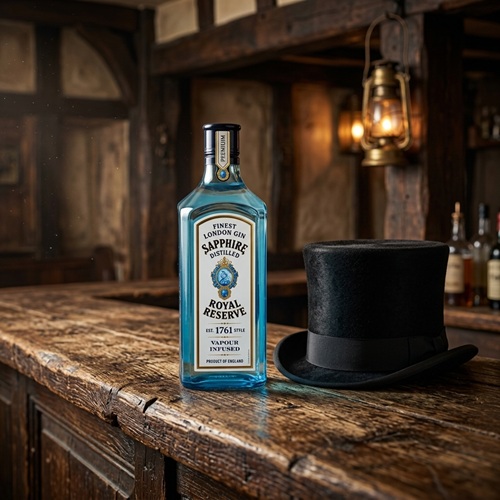
London Dry, Entry Level
Low Range Pricing
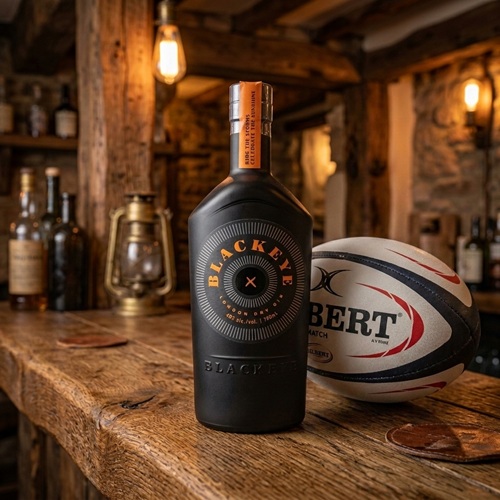
London Dry, Expensive
High Range Pricing
*The images in this article are an AI-assisted representation of the intended products. Bottle design, label artwork, packaging, batch release and alcohol proof may vary and can be updated by the producer without notice.
- Plymouth Gin: Distilled only in Plymouth, England. This one is slightly earthier and smoother than London Dry, less sharp, and often easier to sip plain.
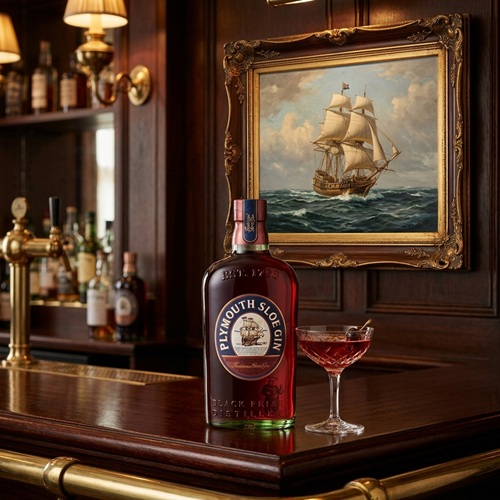
Plymouth Gin, Entry Level
Low Range Pricing
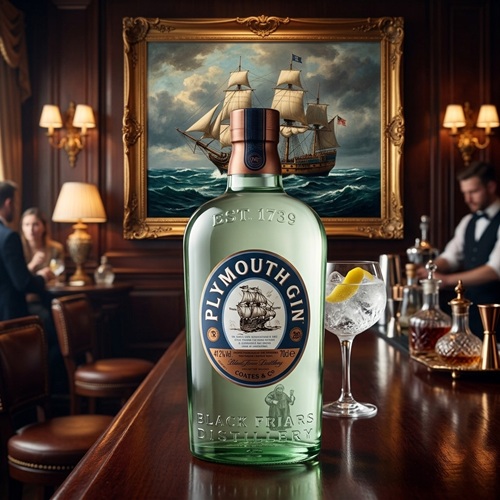
Plymouth Gin, Expensive
High Range Pricing
- Old Tom Gin: Slightly sweeter and big in the 1800s; perfect for vintage cocktails like the Tom Collins. If you enjoy history (and a touch of sugar), give this a try.
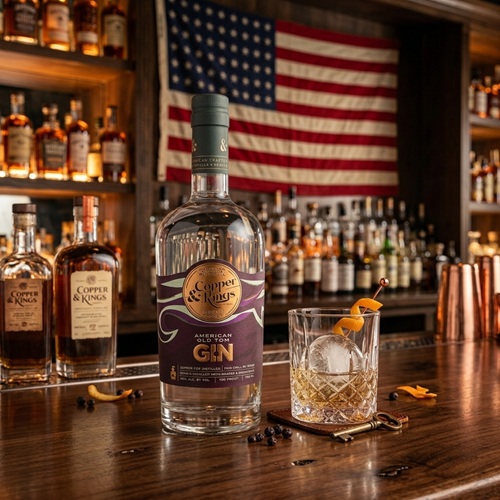
Old Tom Gin, Entry Level
Low Range Pricing
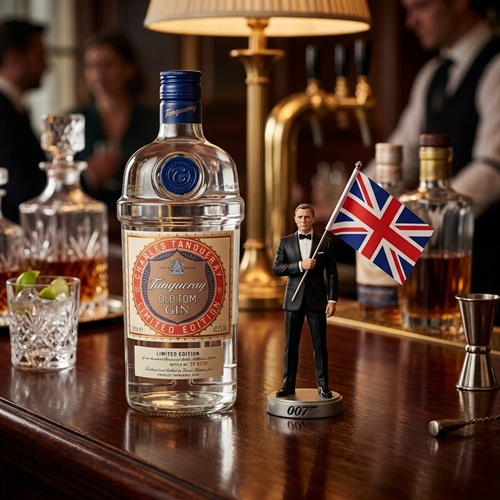
Old Tom Gin, Expensive
High Range Pricing
- Genever: The Dutch ancestor of gin. It’s malty, reminiscent of whiskey-gin mashups, and has a fuller body. More robust and rich, it’s beloved by cocktail-minded bartenders.
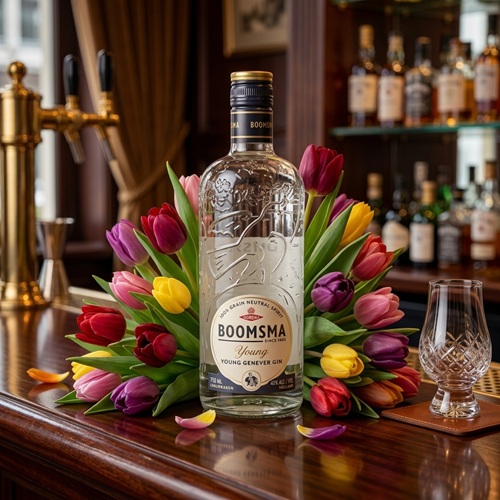
Genever Gin, Entry Level
Low Range Pricing
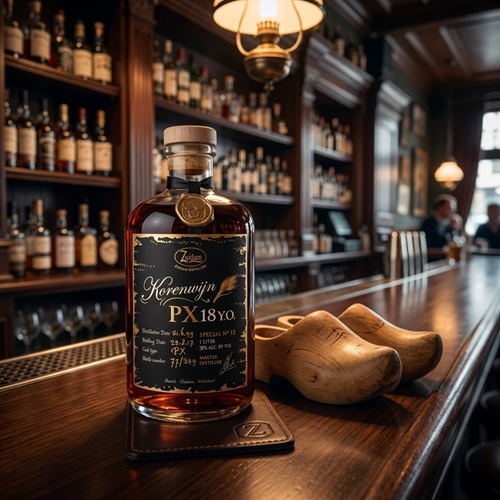
Genever Gin, Expensive
High Range Pricing
- New Western or Modern Gin: Modern, small-batch gins. These highlight botanicals other than juniper, including things like cucumber or hibiscus. A good intro for anyone who finds traditional gin too piney.
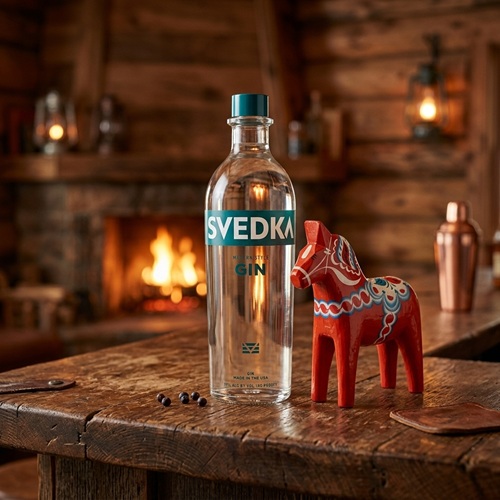
New Western/Modern, Entry Level
Low Range Pricing
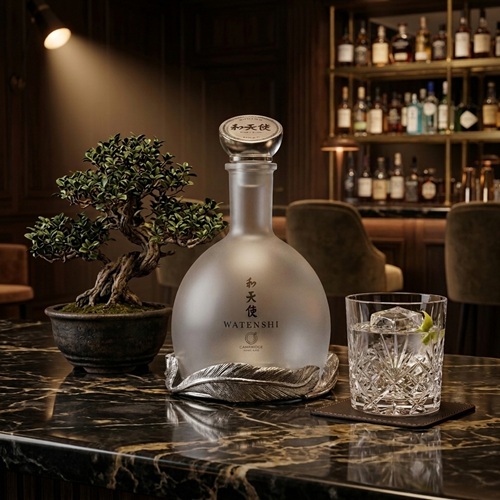
New Western/Modern, Expensive
High Range Pricing
Keep in mind, within each style, there’s a ton of variety as distillers put their own spin on the recipe. Experimenting with a few types is a great way to track down your favorite.
Basic Terms and Gin Jargon Worth Knowing
Shopping for gin or talking gin at the bar can introduce you to a bunch of new words. Here’s a quick rundown for your next liquor store trip:
- Botanicals: All the herbs, spices, roots, and fruits that add flavor. Juniper is a must in every true gin, but there’s room for endless creativity.
- ABV (Alcohol by Volume): Most gins range between 37.5% and 47% alcohol. Higher ABV gins are generally bolder in cocktails.
- Distilled vs. Compound: Distilled gin flavors come from botanicals being redistilled with the spirit. Compound gin simply has extracts added after distilling. Most reputable gins are distilled, and that’s what you want for the best flavor.
- Gin Liqueur: These are sweet, usually flavored gins best for fun cocktails or low-alcohol sippers.
Getting Started with Gin If You’re New to the Scene
Jumping into gin for the first time can be overwhelming with all the options on the shelves. Here are some tips I recommend for finding your feet:
- Give a classic London Dry a taste: Brands like Tanqueray or Beefeater are widely available and show off classic gin character—juniper in front, bright citrus next, and a crisp finish.
- Don’t drink it neat right away: Gin can be intense. Try it with tonic, club soda, or in a cocktail to let those botanicals shine without the alcoholic burn.
- Set up a “gin flight”: If you’re out at a bar or a tasting room, sampling a few gins side-by-side teaches you a lot about differences in flavor. It really helps pinpoint your preferences.
- Give it a sniff first: Pour a splash in a glass and take in the aroma. Your nose will pick up hints of what’s coming in the sip.
Also, don’t be afraid to ask bartenders or shop staff for recommendations—they’ll often have hidden gems to suggest based on what you enjoy.
What to Look for in a Good Gin
With so much variety, picking a bottle can feel intimidating, but there are easy signs of quality:
- Clarity of flavor: The gin should taste clean, not muddled. Balance between juniper and botanicals is key.
- Smooth finish: A gentler sip, with flavor, not a harsh burn left behind. A smooth finish means attention to detail during distillation.
- Fresh aroma: It should smell bright, never musty or rubbing alcohol-like.
- Trustworthy brand or distillery: If they’re transparent about their process and ingredients, that’s a good sign. Reputation matters with gin, especially when trying new bottles.
Some gins are made for mixing, while others stand up neat or over ice. You can always sample a mini-bottle or visit a tasting event to figure out what you like best before committing to a full-size bottle.
Gin Cocktails Everyone Should Try
The real excitement of gin is mixing it up in cocktails. Here are a few classics and crowd-pleasers you shouldn’t miss:
- Gin & Tonic: Simple, crisp, and totally refreshing. A wedge of lime brings out gin’s best character. A good gin and tonic is also one of the easiest ways to experiment with different gins, tonics and garnishes. If you’re building your own setup, see our guide to creating the perfect home bar.
- Negroni: Equal parts gin, Campari, and sweet vermouth with an orange peel—bitter, aromatic, and very sophisticated.
- Martini: Gin with dry vermouth, stirred or shaken, lemon twist or olive. Don’t worry about debates; just go with what tastes best to you.
- Tom Collins: Gin, fresh lemon juice, sugar, and soda. Super easy and thirst-quenching on a sunny day.
Other fun options include the French 75, Southside, or Ramos Gin Fizz. Most gin drinks are simple, letting the spirit and its botanicals shine. Once you’re comfortable, branch out and try mixing with different juices, herbs, or bitters.
Things To Consider When Buying Gin
Before you grab the first interesting bottle, think about these factors to make sure you find a winner:
- Intended use: Think about whether you want a mixing gin or a sipping gin. Gin for Negronis should be bold, while gin for Gin & Tonics can be lighter.
- Price point: Plenty of excellent gins are in the mid-priced range. The cheapest options are often harsh, so it is often worth upgrading a tier.
- Bottle size: If you’re testing out a new brand or style, consider a smaller bottle. You can try more options and minimize waste if you don’t love it.
- Versatility: London Dry and some modern gins are super flexible and work well in all sorts of cocktails.
- Your taste: Not a fan of strong juniper? Look for experimental gins with more floral, herbal, or citrus notes. Brands like Hendrick’s (rose and cucumber) appeal to many newcomers.
Gin Shelf Life and Storage
Gin is pretty low-maintenance once bottled; it won’t improve or spoil quickly, even after opening. Store it in a cool, dark place with the cap tightly sealed. Light and heat are the enemy—keep it away from windows and stoves, and its flavors will stay true for years. After opening, try to finish it within one or two years for the best flavor experience.
Mixing and Garnishing Tips
Don’t forget the power of a good garnish or mixer. With gin, a few small touches can make big differences:
- Citrus peels: Lemon, lime, or grapefruit zest brighten and complement the botanicals.
- Fresh herbs: Sprigs of rosemary, basil, or even thyme can add new aromas.
- Cucumber slices: Excellent with floral and modern gins.
- Peppercorns or whole berries: Try pink peppercorns or juniper berries for extra flair and subtle boosts to flavor.
Glassware matters too. Highball glasses are great for G&Ts, while a coupe or martini glass is classic for straight-up cocktails. For many cocktails, you’re also going to require a great cocktail shaker.
Frequently Asked Questions
Here are answers to the most common gin questions people ask me:
Question: Is gin just flavored vodka?
Answer: Sort of, but not exactly. Gin does start from neutral spirit (like vodka), but it’s redistilled with botanicals, which builds its complex flavors. Flavored vodka usually has flavors added after distillation instead.
Question: Can I drink gin straight?
Answer: Definitely! High quality gin is great neat or over ice (or yes, you could use Whiskey stones). You’ll notice more flavors this way, and some modern gins are made just for sipping.
Question: Why does gin sometimes get cloudy when mixed with tonic?
Answer: That’s known as “louching,” and it’s completely normal. It happens when essential oils in the gin hit cold tonic. It looks cool and means your gin is loaded with botanicals.
Question: What’s the best way to taste gin?
Answer: First smell the gin; see which botanicals pop up. Next, taste neat or with a splash of water. Then try it mixed (with tonic or soda) to see what flavors change or emerge.
Question: Can gin go bad?
Answer: Not really. In a tightly sealed bottle stored away from light, it’ll stay good for years. Once opened, it’s best within a year or two for fresh taste, but it won’t spoil like perishable foods.
Is there anywhere that will ship gin worldwide?
Of course. Check out this article on shipping liquor worldwide.
Wrapping It Up: My Experience With Gin
Gin isn’t a one-size-fits-all drink. I’ve tried everything from super-juniper, heavy old-school gins to herbal and floral modern ones, and the excitement comes from all the variety. The real magic is tracking down what style matches your mood, your favorite cocktails, or even just what you have in the fridge for a lastminute garnish.
If you’re just testing the waters, enjoy the adventure. There are plenty of affordable, seriously tasty gins available, and the right bottle for you is out there. Try new things, share what you stumble upon, and keep the conversation going—gin is made for both discovery and connection, whether that’s in a fancy gin cocktail or a chat at your corner bar.






I have tried gin a few times and must admit I haven’t found one that I love. I think it is the after taste that gets me. I will take your beginner tip and try it mixed with something besides tonic water and see if I find something I like, as it does seem that I am definitely missing out by not finding ‘the one.’
The Negroni looks promising, and seems like something that I could enjoy.
Not all spirits are for everyone Michel. I wasn’t a gin fan in my younger years but have come to appreciate the taste as time has gone on.
If you are keen to get into gin, a few different mixers is a good way to experiment with tastes. You can always go back to your tried and trusted spirits if it’s just not your thing.
Nudge, gin really rewards curiosity because the same base spirit can head in totally different directions depending on the botanicals and garnish. I tend to think a simple Gin & Tonic is a great starting point since changing the tonic, citrus, herbs, or even the ice lets people notice what that particular bottle brings to the glass.
A side-by-side gin flight would be a fun way to compare a classic juniper-forward London Dry with a floral or cucumber-led modern gin, especially for anyone who assumes gin only tastes piney. Which bold styles do you reach for most often when you are making a Negroni?
A side-by-side gin fight, I like it….
I tend to go for bold, bitter and citrusy styles—something with enough character to stand up to the gin and Campari. A classic Negroni is hard to beat, but I’m always happy to experiment. After all, it’s only three ingredients… how much trouble could we get into?