If you’ve ever wandered through the whiskey (or whisky) aisle, you probably felt like you were browsing in a library built entirely out of bottles. Rows of mysterious names, amber glows, and different shapes of glass can be a bit confusing if you don’t already know your bourbon from your single malt. The thought ‘what is Whiskey, and how many varieties are there’ may enter your mind.
That confusion is exactly why I’m excited to break whiskey down—from what it is, to how it’s made, to the subtle (and not-so-subtle) differences between types, plus some serving and tasting pointers for those ready to start sipping.
Understanding What Whiskey Actually Is
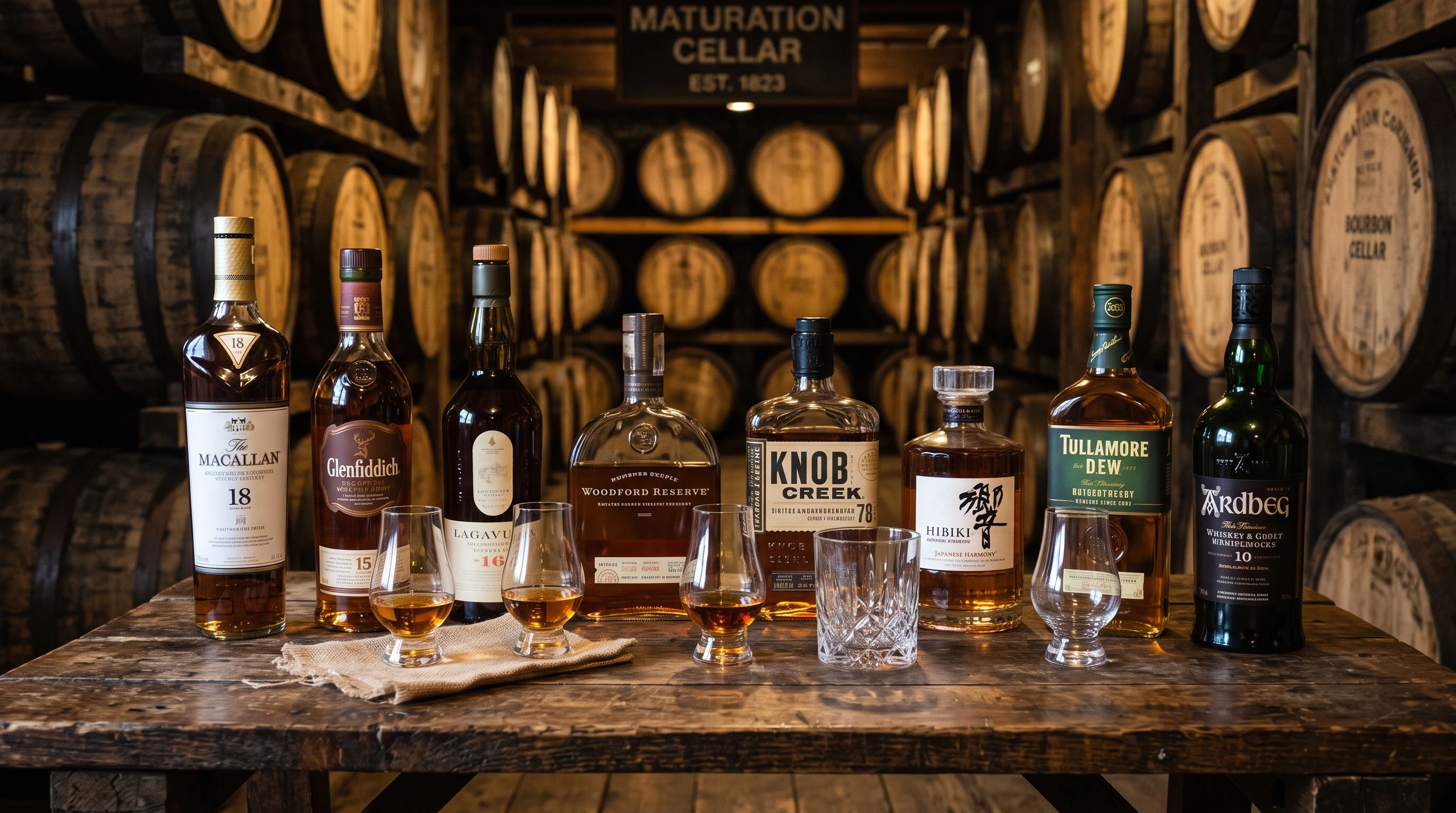
Whiskey is a distilled spirit made from grains. The recipe changes around the world, but the core concept stays the same: take some grain, ferment it, distill it, and then age it in barrels. There are people out there who treat whiskey like it’s rocket science, but honestly, it’s a pretty old school process. That’s probably why there are so many types with their own quirks and personalities.
The U.S. TTB provides the official standards used to classify and label whiskey and its various types.
Every glass shares a few things in common, though:
- Grain: Could be barley, corn, rye, wheat, or even a blend.
- Fermentation: Yeast goes to work on the sugars, leading to alcohol.
- Distillation: The magic part where low-alcohol beer-like liquid becomes high-proof spirit.
- Maturation: The aging bit, usually done in oak barrels, gives whiskey its deeper flavors and color.
How Whiskey Is Made: A Quick Tour
I find that knowing a little more about the craft behind whiskey helps appreciate every sip, so here’s how it usually goes down:
- Malting: If the whiskey uses malted barley, the grains are soaked, sprouted, and then dried.
- Mashing: Grains are mixed with hot water to get those starches turned into fermentable sugars.
- Fermenting: Add yeast and let it bubble away. This is where it turns into an alcoholic brew, sort of like beer, but undrinkable unless you enjoy punishment.
- Distilling: It heads into a still (either pot or column), separating the good stuff (alcohol and flavor) from the less tasty leftovers.
- Aging: Whiskey sits quietly in barrels, where the wood chips in flavors like caramel, vanilla, spice, and oak.
- Bottling: Some whiskeys get diluted with water to lower the alcohol content, then they’re bottled up and sent out to find new homes.
Each step changes how the end product tastes, smells, and feels, making for a wild range of styles and flavors in the whiskey world.
The Role of Grains: What Goes Into the Mix
The type of grain in whiskey is a lot like the base layer in a painting, and small changes here completely switch up the outcome. Here are a few common grains and what they’re all about:
- Barley: Used in Scotch and other single malts; brings out malty, toasty, and sometimes fruity notes.
- Corn: Bourbon is mostly corn, which gives it sweet, gentle flavors.
- Rye: Spicy, bold, and sometimes a bit peppery. Rye whiskey is snappier than most.
- Wheat: Softens things out, giving a smooth, mellow finish (think of some Kentucky style bourbons).
Some whiskeys stick with just one grain (like single malt Scotch), while others mix them together for balance and character.
How Distillation and Maturation Create Flavor
This is the part where science becomes art. Distillation gets the alcohol up (think 60-70% ABV, seriously strong), and the still design (pot stills vs. column stills) will affect the texture and what flavors get through. Pot stills are old-school, used in places like Scotland and Ireland, and give big, rounded flavors. Column stills are more modern, like those found in bourbon and rye, producing lighter, more delicate spirits.
But maturation in oak casks is where whiskey truly finds itself. The spirit soaks up character from the wood, vanilla, coconut, cinnamon, even a roasted note, while the rough edges mellow out. Different barrels (new oak, used sherry casks, ex. bourbon barrels) add their own influence. Whiskey can legally be aged just a few years, but longer is not always better, and a 12-year-old can be absolutely incredible, but a good 3-year-old isn’t anything to sneeze at, either.
Different Types of Whiskey Around the World
So, whiskey isn’t just whiskey. The rules change with every border, and each country puts its own spin on what ends up in your glass. Here’s a list of the big names:
Scotch Whisky (Yes, With No ‘E’)
Scotland’s national pride. It’s always spelled “whisky” here, and it follows some pretty strict rules: made from malted barley (either 100% or blended with other grains), distilled and aged in Scotland for at least three years. Two main styles are single malt and blended:
- Single Malt: Made from malted barley at a single distillery, pot-stilled, the kind that gets enthusiasts excited.
- Blended: Combines single malts and grain whiskies for a more approachable character (and usually easier on the wallet, too).
Some regions (Islay, Highlands, Speyside, Lowlands, Campbeltown) bring their own quirks, from smoky peat monsters to sweet, light drams. If you hear someone mention “peat,” they mean a smoky taste picked up by drying malted barley over burning peat. It’s divisive, but once you acquire a taste, it’s addictive.
Scotch Whiskey Examples
The following bottles are examples of a Scotch Whiskey. I’ll provide examples of each type of Whiskey as we get to them, showing an entry level, and a top of the range.
Be aware though, if you decide to check out the price of the expensive Whiskey type, make sure you’re sitting down. Some of these fetch staggering prices.
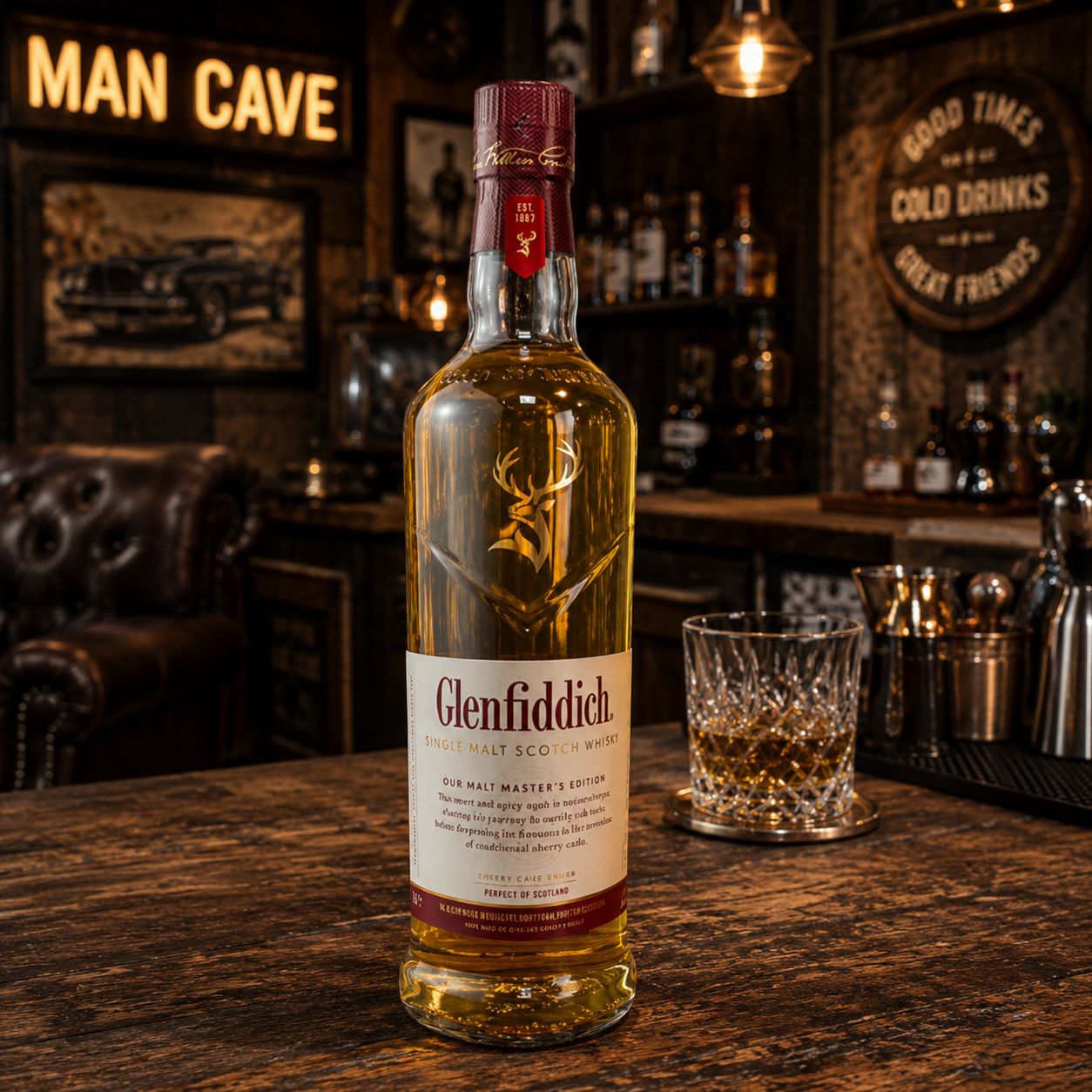
Scotch Whisky, Single Malt, Entry Level
Low Range Pricing
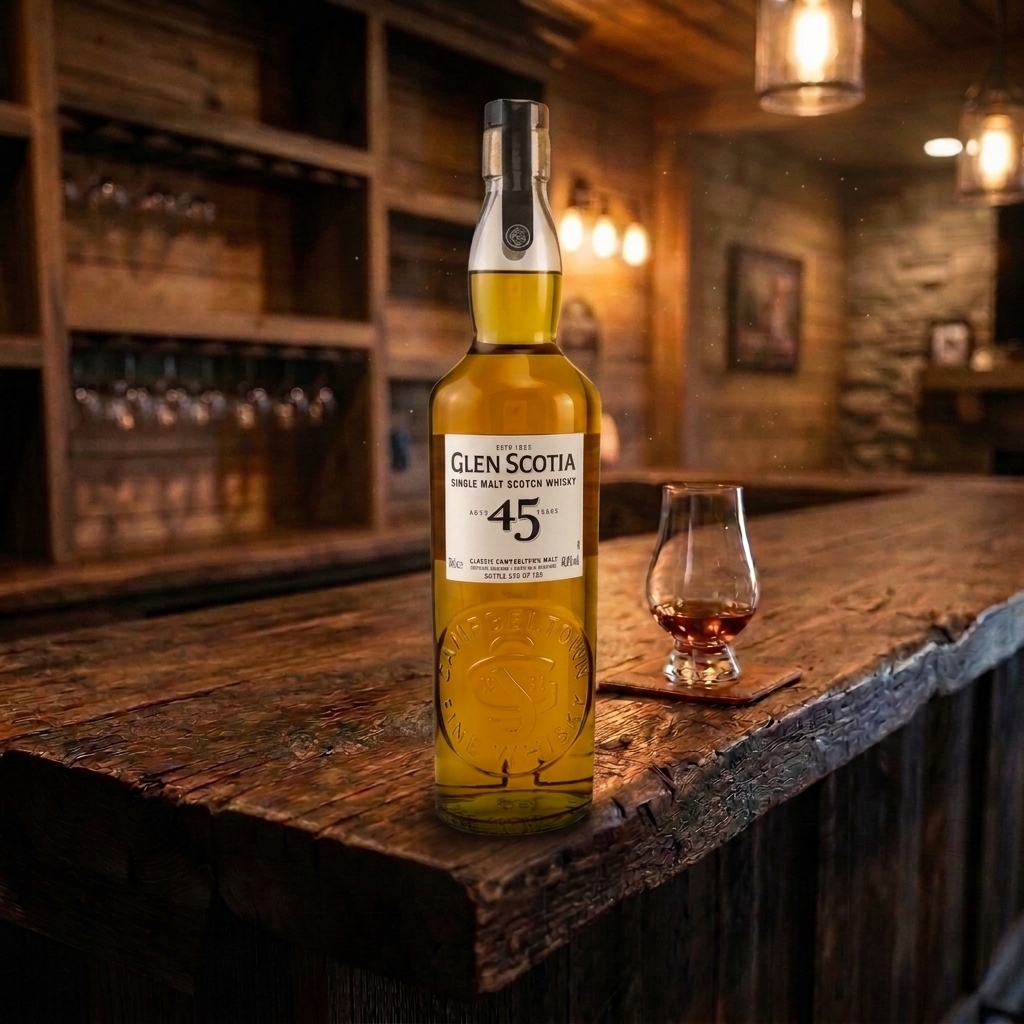
Scotch Whiskey, Single Malt, Expensive
High Range Pricing
*The images in this article are an AI-assisted representation of the intended products. Bottle design, label artwork, packaging, batch release and alcohol proof may vary and can be updated by the producer without notice.
Bourbon: All-American Classic
Bourbon is as American as barbecue. At least 51% corn, with the rest almost always a mix of rye, wheat, and malted barley. It’s aged in brand new, charred oak barrels, giving it those sweet, caramel, and vanilla flavors everyone talks about. To be called bourbon, it needs to be made in the USA—although Kentucky claims the crown.
Bourbon is usually sweeter and softer than Scotch or rye, making it a great intro for first timers. “Straight bourbon” means it’s been aged for at least two years, and if there’s no age statement, it’s likely at least four. Good bourbons come in every price range, so you don’t need to shell out big bucks for a solid bottle.
Bourbon Whiskey Examples
The following bottles are examples of a Bourbon Whiskey.
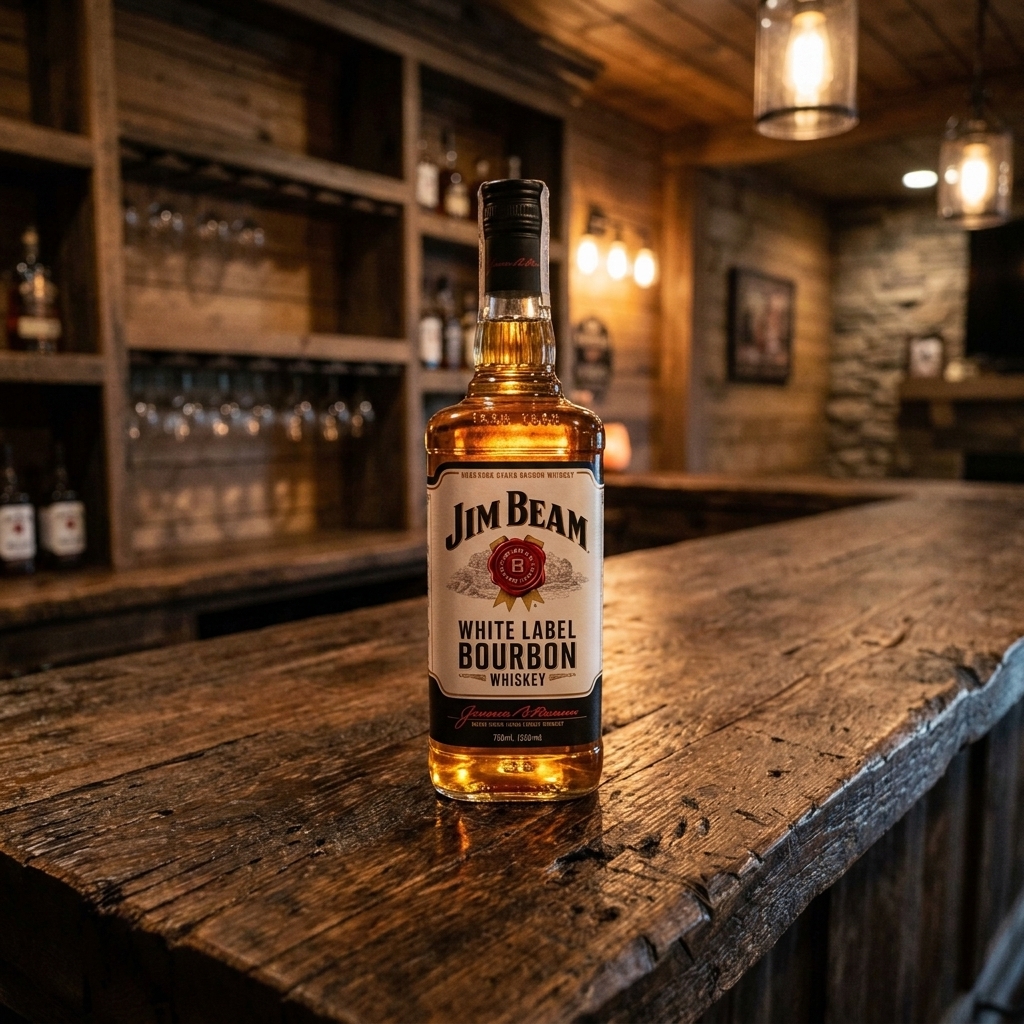
Bourbon Whisky, Entry Level
Low Range Pricing
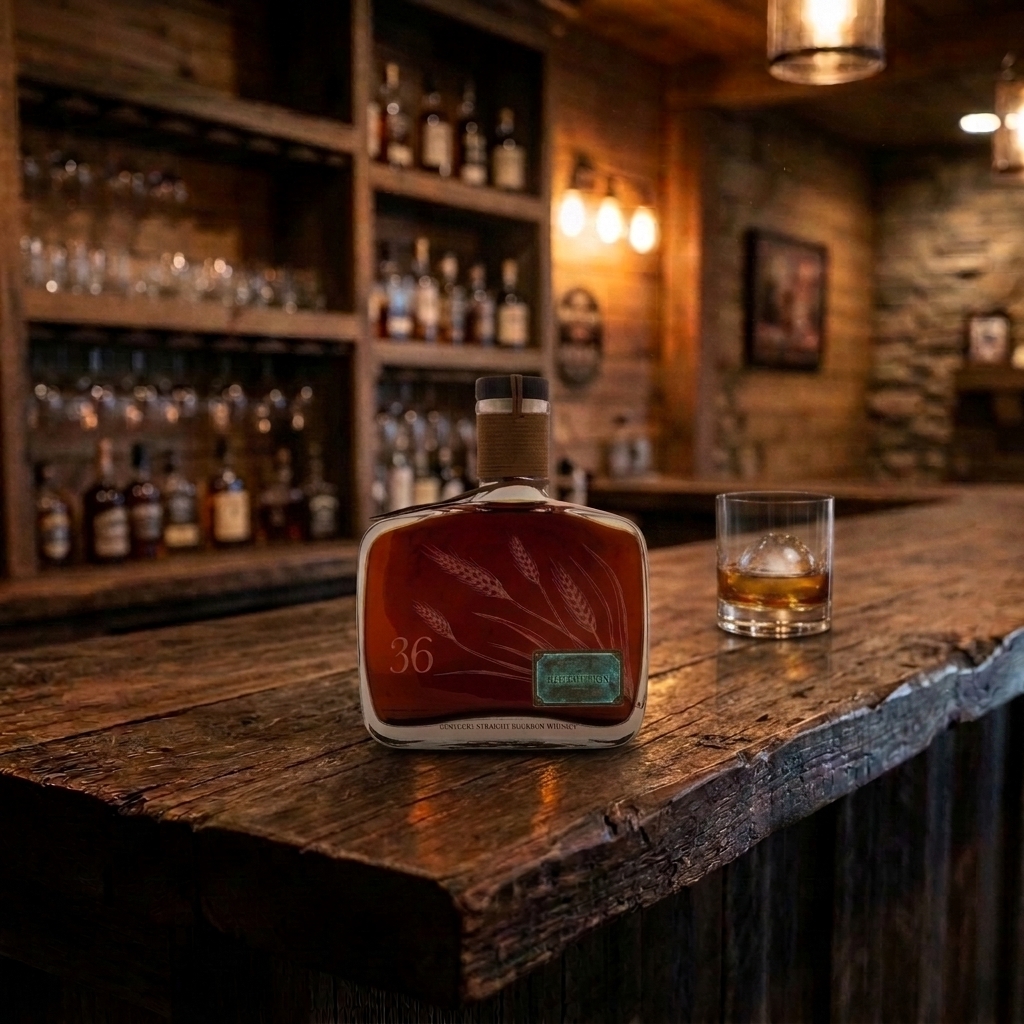
Bourbon Whiskey, Expensive
High Range Pricing
Rye Whiskey
If bourbon is the smooth talker, rye’s the one with a little more bite. American rye whiskey (at least 51% rye grain) has a spicier, peppery edge, with a crisp, dry finish. This style was huge in colonial America before Prohibition took the wind out of its sails, but it’s making a big comeback, partly because it’s so good in classic cocktails like the Old Fashioned or Manhattan.
Rye Whiskey Examples
The following bottles are examples of a Rye Whiskey.
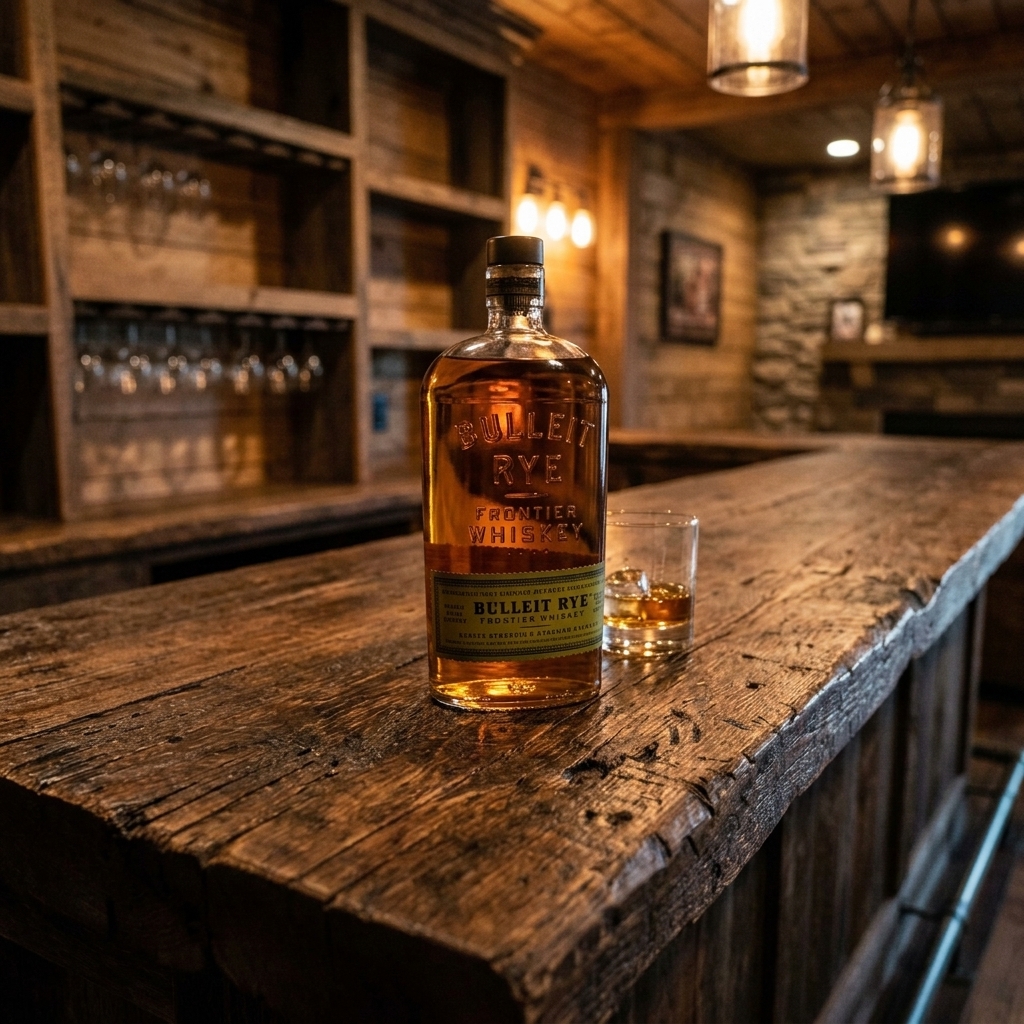
Rye Whisky, Entry Level
Low Range Pricing
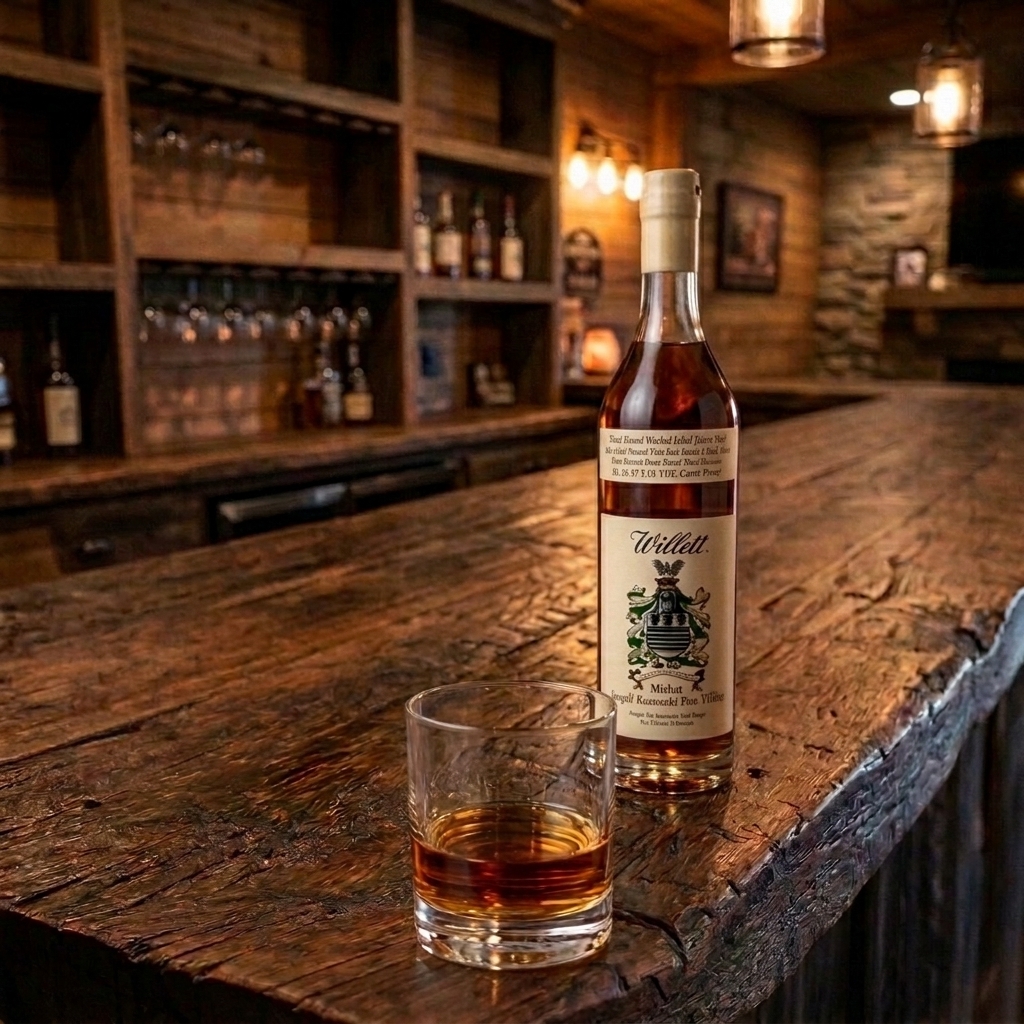
Rye Whiskey, Expensive
High Range Pricing
Irish Whiskey
Smoother and lighter than most Scotches, Irish whiskey is usually triple distilled, which gives it extra smoothness. The use of both malted and unmalted barley helps bring out softer, grassy, and sometimes nutty flavors. Most Irish whiskey is blended, but there are wonderful single pot still and single malt versions out there. If you want a mellow sip or a spirit that vanishes into coffee, this is a great route.
Irish Whiskey Examples
The following bottles are examples of a Irish Whiskey.
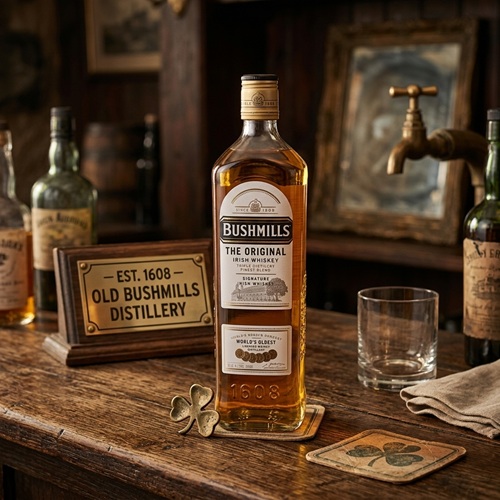
Irish Whisky, Entry Level
Low Range Pricing
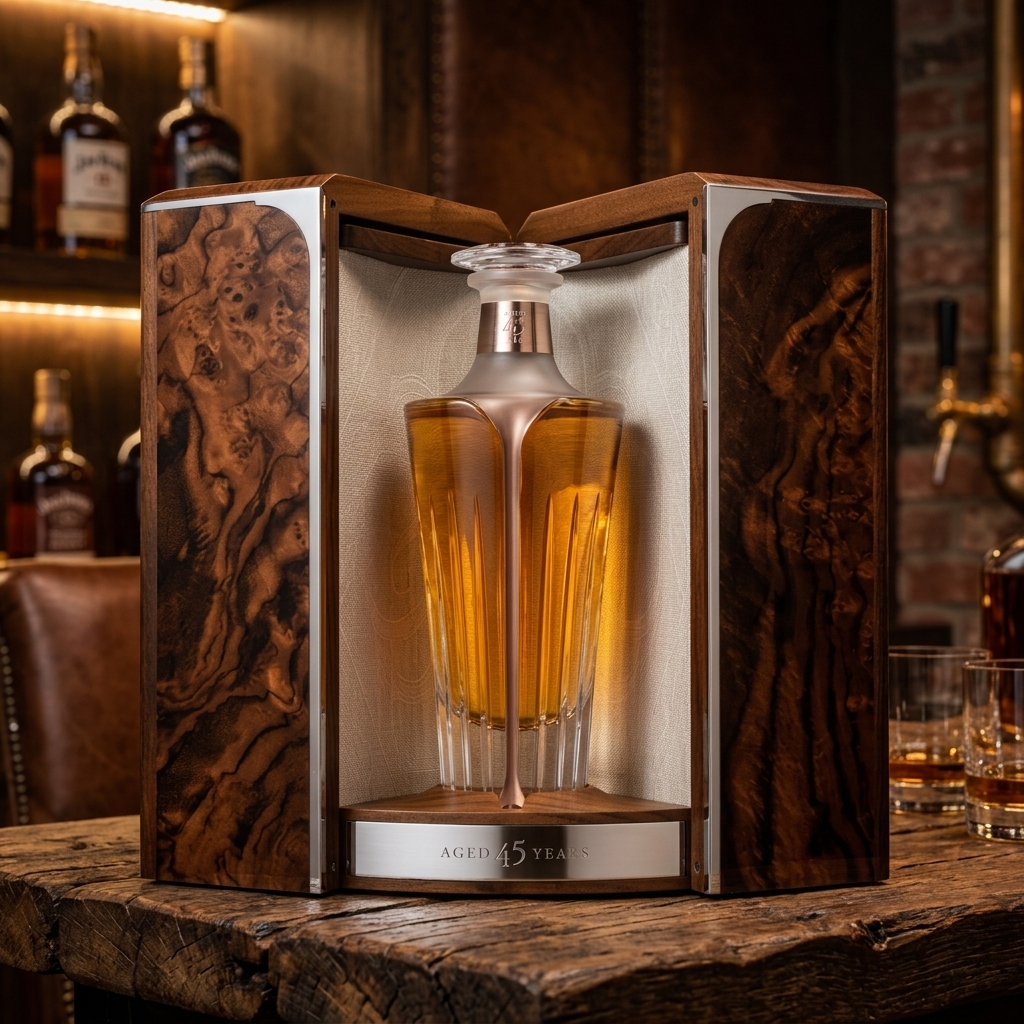
Irish Whisky, Expensive
Low Range Pricing
Canadian Whisky
Our northern friends focus on rye-heavy blends (sometimes called “rye” even when there’s not much rye in there). Canadian whisky is typically light, super easy to drink, and friendly in cocktails, or just on its own for relaxed sipping.
Canadian Whiskey Examples
The following bottles are examples of a Canadian Whiskey.
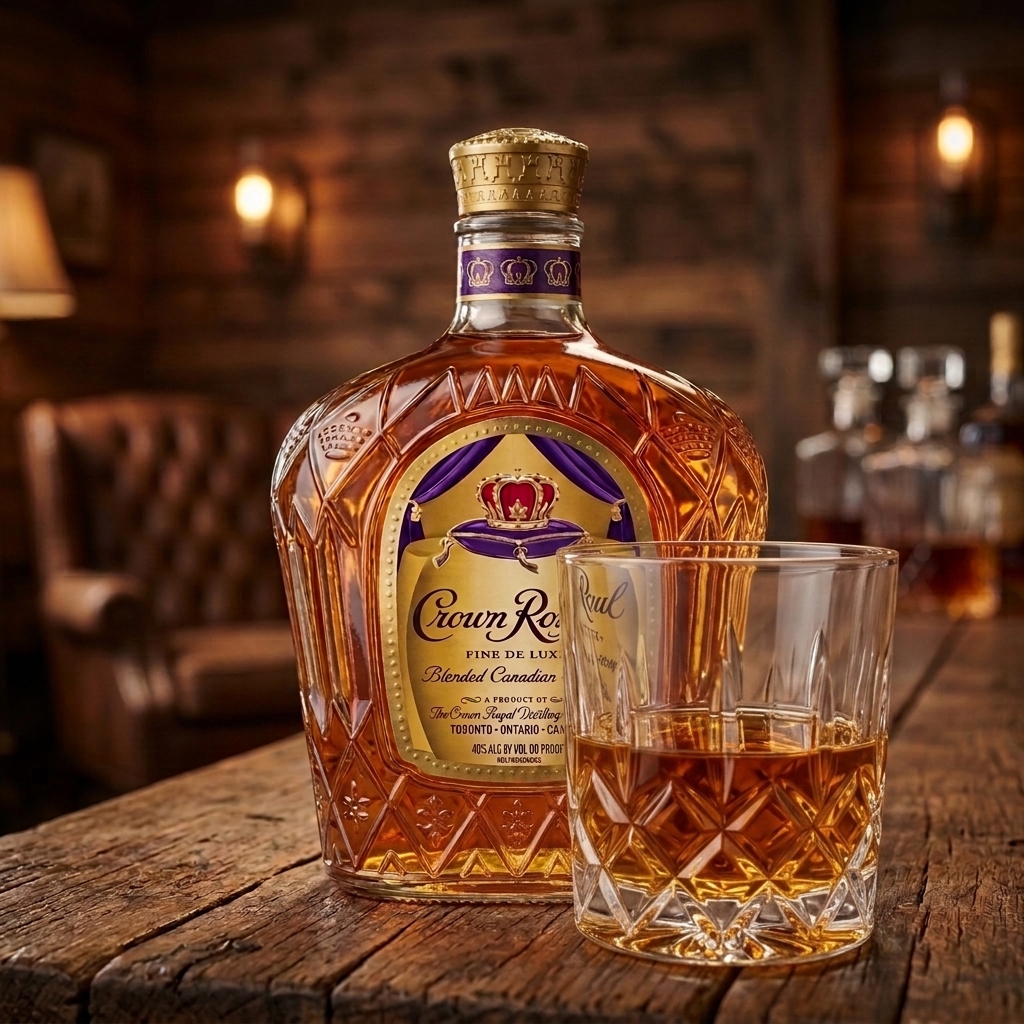
Canadian Whisky, Entry Level
Low Range Pricing
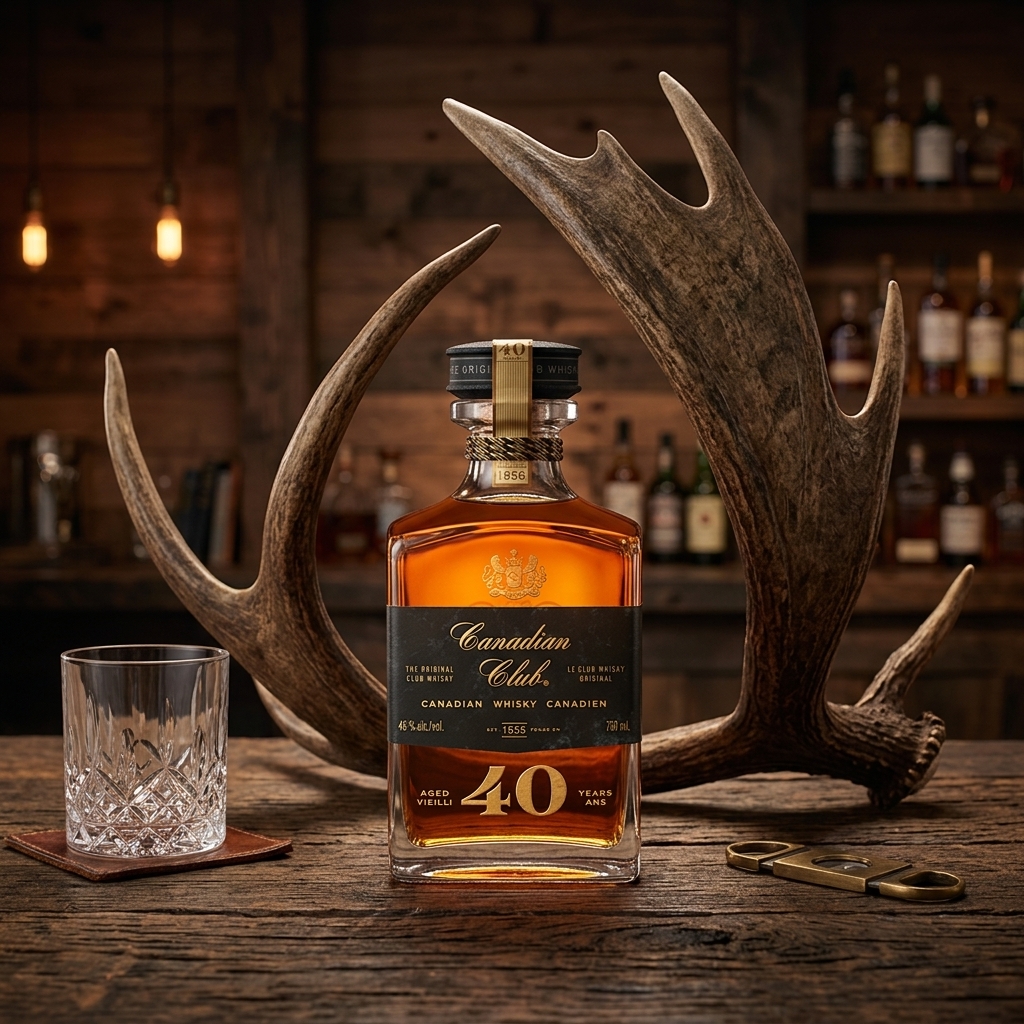
Canadian Whisky, Expensive
Low Range Pricing
Japanese Whisky
Inspired heavily by Scotch, Japanese whisky makers obsess over details—grain selection, pure water, wood choice, everything. Japanese distilleries often run both light and heavily flavored spirit streams, blending them into whiskies that somehow taste both delicate and complex. If you spot a bottle from Suntory or Nikka, prepare for something fresh, floral, and worth savoring slow.
Japanese Whiskey Examples
The following bottles are examples of a Japanese Whiskey.
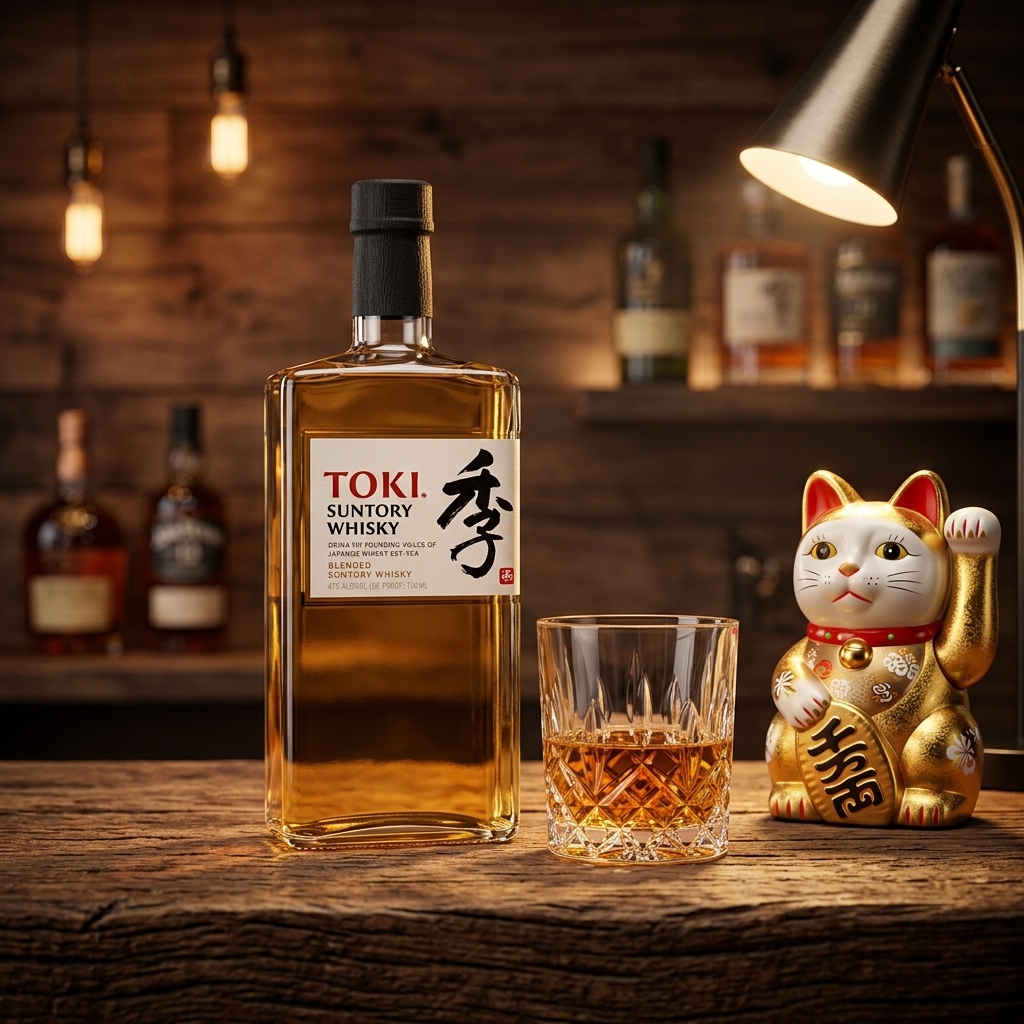
Japanese Whisky, Entry Level
Low Range Pricing
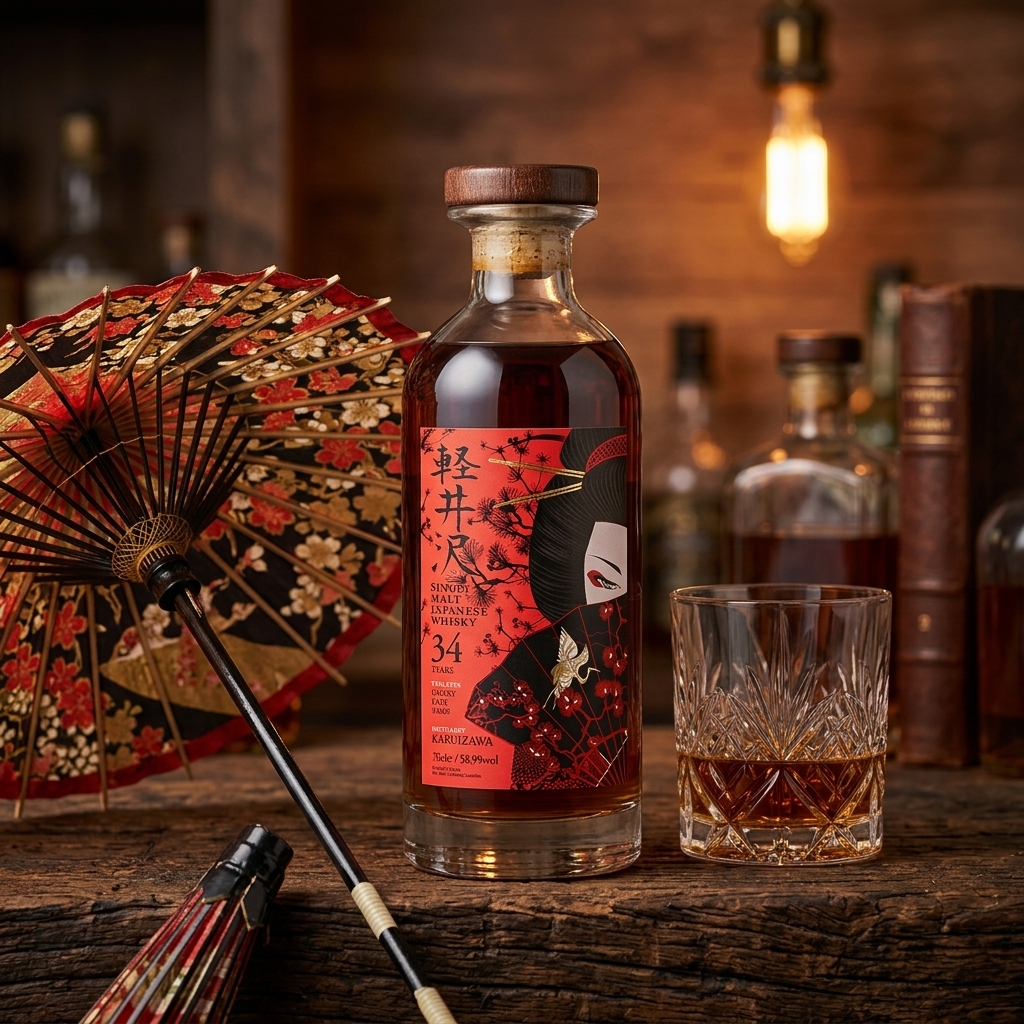
Japanese Whisky, Expensive
Low Range Pricing
What Does Whiskey Taste Like?
Short answer: it depends. Longer answer: whiskey can be sweet, smoky, spicy, fruity, nutty, or all of the above, depending on how it’s made. Here are some of the most common flavors and where to track them down:
- Sweet: Bourbon’s caramel and vanilla, some Irish and Scotch whiskies too.
- Smoky: Peaty Scotch is the classic, think BBQ fire meets sea breeze.
- Spicy: Rye whiskey takes the throne, with pepper and baking spices up front. Some Scotch and bourbon also bring some heat.
- Fruity: Apples, pears, berries, and citrus show up all over, especially in Irish and Japanese styles.
- Oak and Toast: The barrel’s work, bringing wood, vanilla, coconut, and sometimes chocolate or coffee flavors.
If you haven’t stumbled upon a favorite yet, just keep sipping different styles. Each bottle is a new experience, and your taste buds may surprise you as you sample from different regions and grains.
How to Serve and Taste Whiskey
There are a lot of opinions on how to drink whiskey, but mostly it comes down to two things: what you like, and how curious you’re feeling. Here are some ways to try it:
- Neat: Straight up, room temp, in a glass. This is the best way to get all the aromas and flavors, but it packs a punch.
- With Water: Adding a splash of room temp water can open up a whiskey, revealing subtle flavors. No shame in needing a little water, since it’s super common at tastings.
- On the Rocks: If you like it cold or need to soften those edges, toss in an ice cube. Big cubes melt slower, so your drink stays strong longer, but whiskey stones are a great alternative.
- In a Cocktail: Classics like the Old Fashioned, Manhattan, Mint Julep, or Whiskey Sour are legendary for a reason. Cocktails show off whiskey’s personality without overpowering it.
My advice: trust your taste buds and experiment. Whiskey is supposed to be fun, not a test. Feel free to mix things up or create your own signature cocktail using ingredients you enjoy. The main goal is to have a good time and enjoy the experience.
Some people are just Whiskey people, similarly, some are gin people and prefer the taste of gin.
Whiskey Terminology Explained
The whiskey world comes with a dictionary’s worth of terms. Here are a few common ones to help you sound like you know your stuff (or at least avoid feeling lost at the bar):
- Single Malt: Made from malted barley at a single distillery. Doesn’t mean it’s only one “batch.”
- Blend: A mix of whiskeys from different distilleries and/or grains.
- Pot Still: A classic copper still, shaped like, well, a big pot. Adds flavor and texture.
- Column Still: More industrial, produces lighter spirits. Common in bourbon and Canadian whisky.
- Peat: Decomposed plant matter used to dry barley in Scotch. Imbues smokiness.
- Proof: The measure of alcohol content. In the US, it’s double the percentage (e.g., 40% ABV = 80 proof).
- Age Statement: How old the youngest whiskey in the bottle is. A “12-year” whiskey is aged at least 12 years. No promises about the oldest stuff inside.
Things to Keep in Mind Before Picking a Bottle
Whiskey shopping doesn’t have to be intimidating, but there are definitely a few things worth knowing before you randomly grab a bottle based on a next level cool label:
- Flavor Preferences: Do you like sweet, spicy, smoky, or fruity? Try a few styles (bourbon for sweet, rye for spice, Islay Scotch for smoke, Japanese for floral).
- Budget: More years in the barrel usually means higher price. Fortunately, there are great options at every level.
- Occasion: Are you planning to sip neat, shake up cocktails, or share with friends who are new to whiskey?
- Region: Each country (even each region within Scotland or the US) has its own specialty. Sometimes exploring by region unlocks some cool new favorites.
Doing a little research helps buyers make informed decisions. Reading reviews, asking shop staff, or joining a tasting event can introduce you to new brands and flavors without risking a bottle that ends up collecting dust.
Grain Bills and Mashbills
If you hear someone mention “mashbill,” that’s just whiskey-talk for which grains go into the recipe. Bourbon’s mashbill is almost always corn heavy, while ryes bring in the spicy stuff. Some bourbons, like Maker’s Mark, use wheat in the mix for mellower flavor. The mashbill won’t always be right on the label, but checking out a distillery’s website can usually give you the answer.
Single Barrel and Small Batch
“Single barrel” means the whiskey came from one individual barrel instead of a blend. These can be pretty unique since every barrel develops differently. “Small batch” isn’t exactly regulated, but generally means a handful of barrels combined, aiming for more complexity than mass market bottles. Handy to know if you’re feeling picky or looking for something new.
Advanced Tips for Enjoying Whiskey
Already picked a favorite bottle or two? Here are a few ways to get more out of your whiskey adventure:
- Experiment With Glassware: A tulip-shaped glass like a Glencairn funnels the aromas for better sniffing, while a wide tumbler works just right for on-the-rocks enjoyment.
- Pay Attention to the Nose: Get your nose in close and sniff. Flavors in whiskey often make a big debut on the nose before anything hits your tongue.
- Go Slow: Sip, don’t gulp. Whiskey opens up over a few minutes, so let it breathe and take your time.
- Try Side By Side: Pour a couple different whiskeys and compare them in the same sitting. You’ll pick up on differences way faster than drinking one at a time.
- Add Water a Drop at a Time: Some people use a dropper—whether you think that’s overkill or nerdy cool, your call—but slowly adding water can really make whiskey taste and feel different.
If you stumble upon one bottle you adore, take note of its style and where it’s from. Bars and specialty stores often offer flights, letting you try three or four samples in one sitting, which is pretty handy for finding your next favorite. Join a whiskey club or tasting group for an even deeper experience—sharing stories and tips makes the learning curve more fun.
Frequently Asked Questions
Here are some questions people new to whiskey always seem to have (and yes, I’ve asked a few of these myself):
Question: Is whiskey gluten free?
Answer: The distillation process removes gluten, so even though whiskey is made from grains like barley or rye, it’s usually considered gluten free. If you’re super sensitive, check with your doctor or try a corn-based whiskey to be safe.
Question: Does older whiskey taste better?
Answer: Not always. Aging changes the flavor, but too much time in the barrel can make whiskey taste woody or bitter. Plenty of five to eight year old bourbons or Scotches are awesome, and some drinkers even prefer them young and punchy.
Question: Can whiskey go bad?
Answer: An unopened bottle can last for years (decades, even). Once open, the flavor can start to slowly fade after a year or so, especially if the bottle is mostly air. Keep it in a cool, dark place with the lid tightly sealed.
Question: What’s the difference between whiskey and whisky?
Answer: Just a spelling thing: “whisky” is used for Scotch, Canadian, and Japanese styles. “Whiskey” is for Irish and American brands. Same stuff, just different postal codes.
Is there anywhere that will ship whiskey worldwide?
Of course. Check out this article on shipping liquor worldwide.
So, Is Whiskey Worth Exploring?
There’s a reason whiskey has been around for centuries: it’s versatile, it’s rich with history, and there’s a version out there for pretty much every palate. With so many types, origins, traditions, and surprising twists, whiskey is one of those spirits that keeps on giving.
Whether you’re sipping it neat, experimenting in cocktails, or lining up a tasting flight with friends, there’s no wrong way to enjoy it. So don’t let the snobs scare you off.
If you want to know a bit more about different spirits, take a look at our ultimate guide to liquor. Or check our other articles like what is Vodka, and what is it usually mixed with.
If you’re working your way through the major spirit categories, our complete guide to tequila is a good place to continue. We cover how tequila is made, what it tastes like and the differences between Blanco, Reposado, Añejo and Extra Añejo.
Cheers to curiosity, good company, and a glass of something interesting!






Hi, Nudge! Whiskey is much less intimidating when people start with flavor direction rather than trying to memorize every regional rule or label term. A side-by-side tasting of a sweet bourbon, a peppery rye, and a lighter Irish whiskey is a fun, practical way to hear what the grain bill, barrel, and distilling style are doing in the glass.
For someone who usually reaches for cocktails, starting with an Old Fashioned or Whiskey Sour can be the gateway before moving to small neat pours with a few drops of water. Along the way, we do try to keep a quick note of flavors we actually enjoy, whether vanilla, fruit, smoke, or baking spice, which makes choosing the next bottle way more rewarding and cuts through the fancy-label hype.
Great advice! Whiskey doesn’t need to be complicated, and starting with flavours rather than labels is a brilliant way to find your preferences. A side-by-side tasting of bourbon, rye and Irish whiskey can quickly show how different grains, barrels and distilling methods influence the final pour.
Cocktails are also an excellent entry point if neat whiskey seems a little daunting. Once you’re ready, try small pours neat, then add a few drops of water to see how the aromas and flavours change. Most importantly, take notes on what you enjoy. Your taste buds are the best whiskey guide you’ll ever have!
I had no idea that corn, barley, rye and wheat were even used in the whiskey making process. I also had no idea that it was aged in barrels, almost like wine. There are also so many different processes to making whiskey, and I suppose that is why they all taste so different.
It was also interesting to read how all the different countries make their whiskey differently. I always presumed it was only make by the Scottish, and other whiskeys weren’t worth even looking at, but I see times have changed.
There’s a lot more to whiskey and other spirits than just accepting the drink via a bottle. The effort that goes into crafting them is why they are so popular and universally adored. Whiskey is exceptionally unique that yes, various countries have their own twist, which creates their own style.
When you think of Scotch, Bourbon, Irish, they are all amazing and unique to each other. How lucky we are to have such a variety.