
Vodka is a drink that’s probably sitting on the shelf of almost every bar you walk into. It’s known for being super clean, extremely versatile, and kind of a blank canvas when it comes to mixing drinks. You may wonder what is Vodka usually mixed with, and there’s lots of choices. If you’ve ever wondered why vodka is so popular, how it’s made, or which mixers pair best with it, that’s what I’m getting into here.
Vodka is also one of the least demanding spirits in the cabinet. It doesn’t need a complicated introduction, a smoking barrel or twelve botanicals to get along with everyone. Give it a mixer and it’s generally happy to join the party.
From its production process to the different kinds you’ll encounter (yes, there are quite a few!), there’s more to vodka than meets the eye. It’s not just a simple neutral spirit—there’s actually a rich story and fascinating history behind each bottle you see on the shelf.
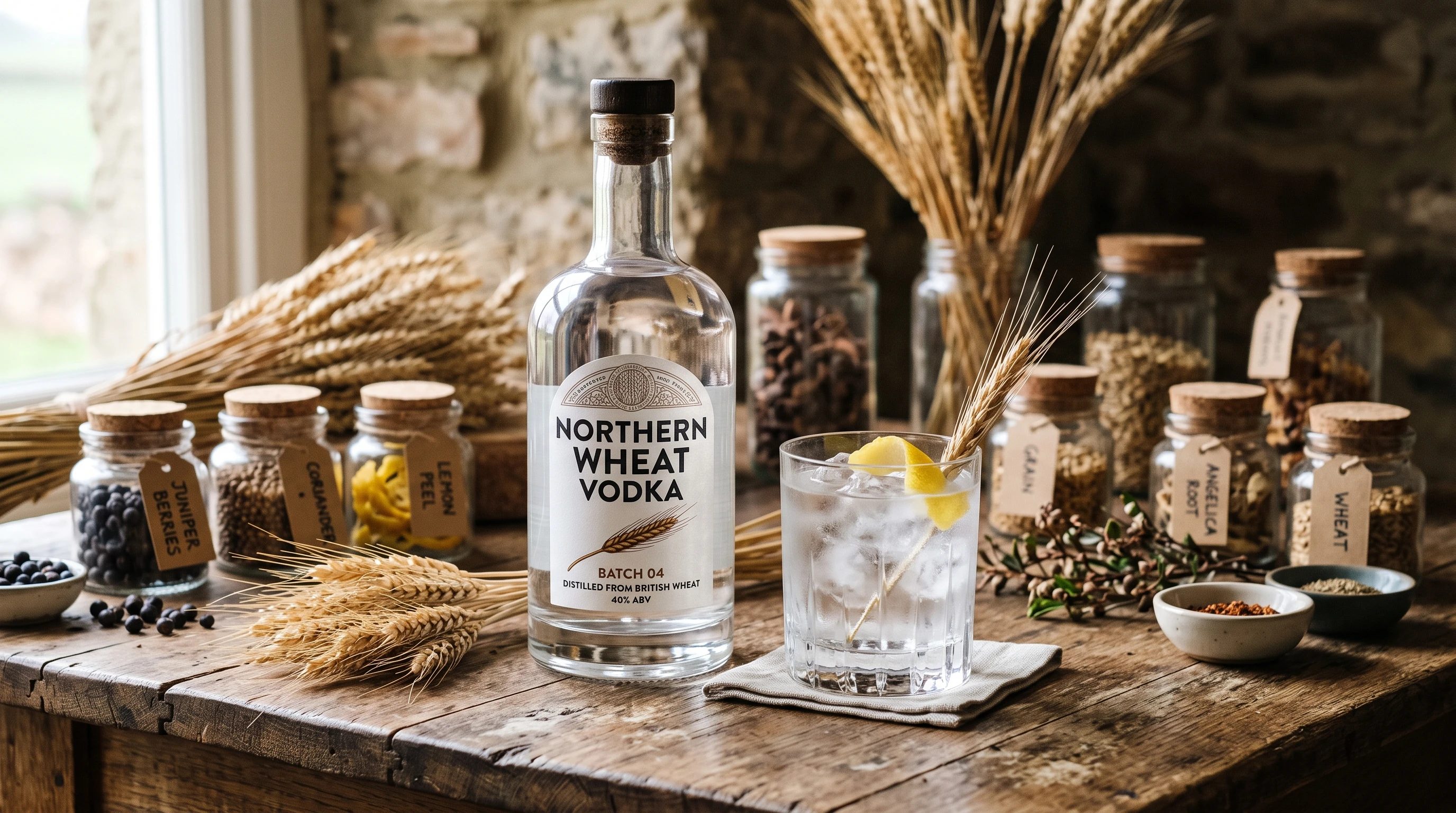
What Is Vodka?
Vodka is a clear distilled alcohol made from fermented grains or sometimes even other starchy or sugary plants. The most common bases are wheat, rye, corn, or potatoes, but you might see versions made from grapes or even sugar beets. What really makes vodka unique compared to other types of spirits is its sheer simplicity—by design it’s supposed to be as colorless and neutral as possible, both in taste and smell. That’s what makes it so easy to mix into just about anything.
Think of vodka as the Switzerland of the spirits world—neutral, adaptable and generally determined not to start an argument with the other ingredients.
Traditionally, vodka comes from Eastern Europe and Russia, with both regions claiming it as their special heritage. These places really set the standard for super smooth, icy-cold shots and sipping culture. Vodka is also a drink that’s gotten much more popular worldwide over the last century, popping up in everything from classic cocktails to new craft infusions and even in the hands of adventurous home bartenders trying their own twists.
Worth noting too: vodka’s “clean” character didn’t happen by accident. It was shaped by centuries of tweaks to distillation techniques, local traditions, and even old-school drinking rituals. In countries like Poland and Russia, vodka is practically woven into the fabric of celebrations and family gatherings, usually served with food and never far from laughter and a toast.
How Is Vodka Made?
Making vodka is basically a two-step process: fermentation followed by distillation. Raw ingredients—usually grains or potatoes—are mashed and mixed with water, then ferment with yeast, turning all those natural sugars into alcohol. Once that’s done, the liquid is distilled, often more than once, to purify it and strip out flavors and impurities. After the primary distillation, some producers choose to run the spirit through extra filters—sometimes using charcoal, quartz sand, or even precious metals—to hit peak purity.
Some vodka brands filter their spirits through charcoal or other unique materials. The distillation can go as high as 95 to 96% alcohol before being diluted back down; what you buy at the store is almost always around 40% ABV (alcohol by volume).
By the time all that fermenting, distilling and filtering is finished, vodka has been through more processing than most of us would tolerate before our first coffee.
Some brands aim for a buttery texture, while others try for the crispest finish possible. The water added at the end can come from special mountain springs, deep wells, or sometimes is just meticulously purified tap water—each vodka house claims its water recipe makes a huge difference in the final taste and mouthfeel.
- Fermentation: The base ingredient is mixed with water and heated. Yeast is added to convert sugars into alcohol. This is where the magic begins and the all-important alcohol forms.
- Distillation: The liquid is heated so alcohol separates from water and other compounds. This step is usually repeated a few times for maximum purity, although some traditionalists argue that fewer distillations keep more character in the bottle.
- Filtration: Some producers filter vodka through charcoal or other substances to remove tiny impurities and smooth out the flavor. The goal is a clean, neutral taste.
- Dilution: Water is added to bring the spirit down to drinkable strength, usually about 40% ABV. The final vodka must be smooth and easy to sip—or mix!
Types of Vodka
While all vodka shares the neutral, clean vibe, there’s actually a wide range of styles and tons of variety once you start exploring. Here’s what you’ll usually see, whether in a specialty liquor shop or at a well-stocked bar:
- Standard Vodka: These are your basic, unflavored vodkas made from wheat, rye, corn, or potatoes. Brands like Smirnoff, Absolut, and Titos fit into this everyday category, offering reliably smooth and mixable spirits.
- Flavored Vodka: These vodkas are specially infused during production (or afterward) with everything from citrus and berries to vanilla, chocolate, and more wild flavors like cucumber, espresso, or even spicy pepper. And just when you think vodka producers have run out of ideas, someone somewhere decides another flavor deserves its moment in a bottle. The flavor trend has only grown, so don’t be surprised to stumble upon some truly creative blends.
- Premium and Craft Vodka: Small batch and higher end brands often focus on single origin ingredients, mineral rich water sources, or extra distillation steps for an ultra-smooth, pure finish. Brands like Belvedere or Chopin are found here.
- Eastern European Vodka: Russian, Polish, and Ukrainian vodkas often focus heavily on rye or potato, leading to a slightly different texture and flavor profile. These also tend to have an interesting backstory and often reflect local traditions and preferences.
On top of these, you’ll likely notice creative packaging, experimental flavor infusions, and collaborations—there’s more diversity in vodka now than ever before!
What Does Vodka Taste Like?
People often say vodka is tasteless, but that’s not totally true. Good vodka actually has subtle flavor notes depending on its main ingredient. Wheat based vodkas might feel a little softer and have delicate hints of sweetness; rye vodkas can be spicier with a pleasant peppery edge; potato vodkas are often called creamier and heavier on the palate. Corn vodkas sometimes offer a cleaner, lightly sweet touch—almost like a whiff of vanilla or marshmallow.
The differences can be subtle, though, so don’t worry if you’re not immediately able to identify the exact grain used after your second cocktail. Very few people are auditioning for MasterChef: Vodka Edition.
Compared to spirits like whiskey, gin, or tequila, vodka’s taste is very mild. There are just faint aromas and not much in the way of bold flavors. Its mild character is exactly why it blends into vodka cocktails so well. The goal for most vodka makers is a smooth, crisp finish with minimal burn, so it can slide right into your favorite drink without overshadowing the mixers.
How Is Vodka Served?
Serving vodka can go a lot of different directions, based on where you are and your own taste. In Eastern Europe, drinking vodka chilled, straight, and neat (no ice, no mixers) is still the tradition. People will chill the bottle in a freezer so it pours thick and cold—almost like drinking ice water with a burn. Which sounds perfectly refreshing right up until your throat reminds you that this is definitely not water.
Vodka is often paired with food, especially pickled vegetables, salted fish, or hearty breads, helping mellow out its kick.
Mixing vodka is the popular move worldwide. It works well with juices, sodas, energy drinks, or even just with a splash of seltzer and a squeeze of lime. You’ll find vodka at the heart of famous cocktails like the Moscow Mule, Bloody Mary, Cosmopolitan, and Screwdriver. Bartenders love it because it leaves space for other creative flavors to take center stage.
- Neat (Chilled): Classic style. Pour it cold into a shot glass or small tumbler. You might see it served alongside snacks or pickles, especially in Polish or Russian celebrations.
- On the Rocks: Some people like vodka over ice. The cubes mellow out its alcohol bite and make sipping last a little longer. Or you could even use whiskey stones, which can help keep your vodka chilled without diluting it. Just don’t be surprised if your whiskey-loving mate suddenly claims you’re using them incorrectly.
- Mixed in Cocktails: By far the most common way to drink vodka—keep reading for some top cocktail picks.
The right glassware and a few essential pieces of home bar equipment can make preparing vodka drinks considerably easier.
If you’re at a bar, don’t hesitate to ask about different serving styles or for recommendations on house cocktails. Each venue might have a specialty you would have never thought to try.
What Is Vodka Usually Mixed With – Popular Mixers and Cocktails
Vodka works like a blank sheet of paper for bartenders. It doesn’t overpower other ingredients, so it’s super easy to mix into whatever you prefer—sweet, sour, spicy, or even creamy drinks. Its versatility keeps it on the menu for experts and beginners alike.
Classic Vodka Mixers
- Orange Juice: The Screwdriver is just vodka and OJ—a legendary, easy cocktail. Try using fresh squeezed for a classy upgrade.
- Cranberry Juice: Pair these for a Cape Cod (sometimes called a Vodka Cranberry). Add a splash of soda for a lighter version.
- Soda Water: A popular choice for lower calorie drinking—add a wedge of lime for extra refreshment, and you’ll get what’s called a Vodka Soda.
- Tonic Water: Swapping gin for vodka gives you a smooth and bubbly twist for those who want something more neutral than a classic G&T.
- Lemonade or Limeade: Adds sweet and tart flavors—particularly great for hot summer days or a quick picnic drink.
- Ginger Beer: The Moscow Mule mixes vodka, ginger beer, and lime in a copper mug, offering refreshing spice and a bright kick.
- Tomato Juice: Bloody Mary is brunch royalty, with vodka, tomato juice, and all sorts of seasoning and garnishes. Customizable for spice and flavor.
Try mixing vodka with cold brewed iced tea, coconut water, or pomegranate juice for something new. The only real limit is your imagination—and, occasionally, common sense. Just because vodka mixes with something doesn’t automatically mean it should.
Super Popular Vodka Cocktails
Many of these classics are recognized by the International Bartenders Association (IBA), which maintains a collection of official cocktail recipes and specifications.
- Martini: Vodka or gin, dry vermouth, olive or lemon twist. The vodka martini is a clean, crisp drink made famous by James Bond. Shake with plenty of ice for real chill and clarity.
- Cosmopolitan: Vodka, cranberry juice, triple sec, lime juice. Famous from “Sex and the City,” it’s bright, tart, and always in style.
- White Russian: Vodka, coffee liqueur, and cream. It’s rich, dessert like, and a favorite among those who love smooth, heavier cocktails.
- Espresso Martini: Vodka, espresso, coffee liqueur, and syrup. Strong in flavor and a go-to for late night crowds or coffee fans. It’s the cocktail equivalent of asking, “Should I go to bed or keep this party going?” and deciding you don’t need to make that decision just yet.
- Screwdriver: Vodka and orange juice, sometimes with a splash of grenadine or bitters to take up a notch. Simple, tasty, and adaptable.
Other creative cocktails include the Black Russian, Lemon Drop, and Apple Martini. Bars are always inventing new blends too—ask your bartender to surprise you with something outside the box.
If you’re planning to make more than the occasional vodka and soda, a decent cocktail shaker will quickly become one of the most useful tools behind your home bar.
Is Vodka Gluten Free?
This question comes up a lot, especially from those with gluten sensitivities. Even if vodka is made from wheat, rye, or barley, the distillation process almost always removes gluten proteins. That means most vodkas, even if they’re grain based, test as gluten free.
If you’re extremely sensitive or just want to avoid gluten entirely, look for vodkas made from potatoes, corn, or grapes—these don’t involve gluten at any stage. Titos and Chopin are two brands that use gluten free bases and clearly label it.
Why Vodka Mixes So Well
Vodka’s near flavorless character means it matches almost anything you pair with it. Unlike gin, which brings a lot of herbal botanicals, or whiskey, with its smoky, sweet punch, vodka just delivers alcohol and smooth texture. Basically, vodka knows how to stay in its lane and let the other ingredients have their moment in the spotlight. If only everyone at a party did the same. That’s why you’ll find it in fruity, spicy, creamy, and creative drinks all over the world.
This neutral base allows home bartenders and mixologists to dream big with their recipes, letting seasonal fruits, syrups, and spices lead the way.
What to Look For When Choosing Vodka
Picking a bottle isn’t only about price or fancy packaging. Although a fancy bottle certainly doesn’t hurt when you’re trying to impress guests who have already decided your home bar looks suspiciously professional. Here’s what to keep in mind:
- Base Ingredient: Check whether it’s made from grain, potato, or something else, as this can change the mouthfeel and subtle notes.
- Distillation and Filtration: High quality vodka goes through enough distillation to get clean but not so much that it tastes thin or harsh. Some brands boast of being distilled seven or even ten times—decide if you prefer a richer spirit or an ultra smooth finish.
- Flavor Infusions: If you want a twist on the classic, check out brands making natural flavored vodkas. Real fruit infusions can make simple mixers or spritzers taste next level cool for parties.
- Origin: Some swear by Russian or Polish vodka for sipping, while others love American or local craft options for mixing. Sampling a few can reveal what suits your taste buds best.
Reading a label can also tell you what water is used, how many times it’s distilled, and whether it’s filtered. These clues help spot the difference between a basic bottle and something truly special for toasting.
Storing and Serving Vodka
Vodka is easy to take care of. It won’t spoil or change much with time, but it definitely tastes smoother when cold. Most folks keep a bottle in the freezer—vodka never freezes solid, but chilling it gives an extra silky feel to each shot or cocktail. This also makes vodka one of the few things you can safely leave in the freezer without later discovering an exploded disaster behind the frozen peas.
Hosting and serving vodka can be as simple or as fancy as you like. Pouring straight from a frosty bottle into tiny glasses is an instant party starter and looks great on any table.
For cocktails, just keep your bottle out of direct sunlight and cap it tightly to lock in freshness. If you want to go extra authentic, serve vodka with small snacks or light bites—think pickles, cured meats, or rye bread.
If your vodka collection is starting to take over the kitchen, a liquor cabinet can provide a more organized and secure place to store your bottles.
Vodka is one of the most versatile spirits to keep on hand, particularly if you’re building a home bar and want to make a wide variety of cocktails.
Common Vodka FAQs
Here are a few questions I often hear about vodka, especially from those hosting their first party or looking to try new recipes:
How strong is vodka?
Most vodka you see on store shelves comes in at 40% ABV (alcohol by volume). Some higher proof options exist, but 40% is the go-to in most countries for balance and drinkability.
Can vodka go bad?
Pure vodka doesn’t spoil thanks to the high alcohol content. Over a very long time, it might lose some sharpness or pick up odd tastes if left unsealed, but for most at-home use, vodka is virtually timeless and easygoing.
What’s the deal with flavored vodka?
Flavored vodka is infused with everything from fruits and spices to vanilla or even hot pepper. Some brands use real ingredients, while others rely on flavoring. They’re easy to mix into simple highballs or to add punch to cocktails with minimal effort.
Does vodka have carbs or sugar?
Plain vodka has virtually no carbs or sugar—just alcohol and water. If you’re watching your calories or sticking to a careful diet, plain vodka fits in. But beware: premixed drinks and sugary flavored vodkas can sneak in extra sweetness and calories.
Takeaways: Why Vodka Stays Popular
Vodka is a staple spirit for a reason. It’s easy to make, easy to drink, and can fade into the background or shine in the right cocktail. Knowing its production process, the types of vodka out there, and how to select mixers helps you get the most out of your next night with friends or your own happy hour.
Whether you go for a classic icy shot, toss it with juice, or stir up a fancy martini, vodka gives you lots of options that suit any taste and occasion.
Trying out different brands, ingredient bases, and serving styles really helps you track down a go-to vodka drink and your favorite bottle.
Cheers to keeping things simple, experimenting with a few great mixers and finding the vodka drink that suits your taste. Whether you prefer it with juice, soda, ginger beer or in a fancy cocktail with a name you can barely pronounce, vodka is always happy to play along.






I didn’t know that Vodka originated in Eastern Europe and Russia, so you have taught me something new today. I also don’t agree that Vodka is tasteless, which is why I don’t enjoy drinking it neat.
I don’t often drink vodka, as I am more a wine fan, however with orange juice it can be quite refreshing. I haven’t tried Cranberry juice yet, but this could be quite good I think.
I agree with you Michel, Vodka and orange is an extremely refreshing drink, especially on a warm to hot day. I’ve also been really impressed with the Cranberry, you should try it sometime.