There’s a reason the phrase “nightcap” has been around for generations. A drink before bed can make you feel relaxed, sleepy and ready to call it a night. However, we also know how drinking affects your sleep.
Unfortunately, alcohol and sleep aren’t quite the dream team they appear to be.
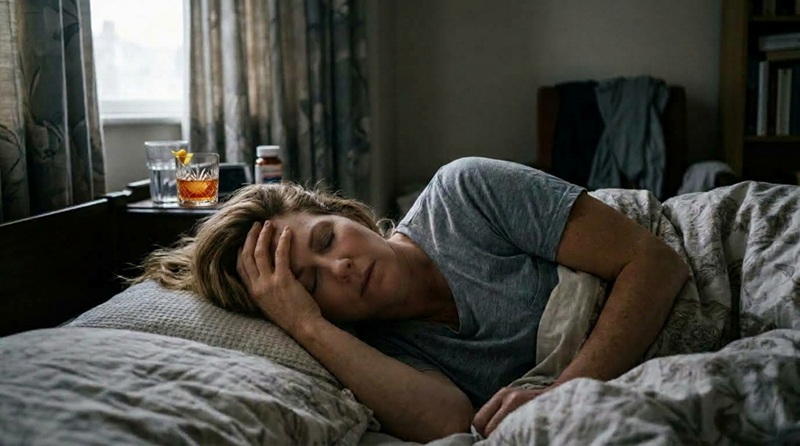
While alcohol may help you fall asleep faster, it can interfere with what happens afterwards. You might drift off without a problem, only to find yourself wide awake at some ungodly hour wondering why your brain has suddenly decided that 3:17am is an excellent time to contemplate every decision you’ve made since 1998.
So, how does alcohol affect sleep, and is there anything you can do to sleep better after drinking?
Let’s take a look.
How Does Alcohol Affect Sleep?
Alcohol can make you feel sleepy because of its sedative effects. This is one reason people have traditionally reached for a drink to help them relax before bed.
The effect can also vary depending on how much you drink and what you’re drinking. For example, whiskey, vodka, gin and other spirits can all feature in very different drinking patterns. (And if whiskey is your drink of choice, you can learn more in our guide to what whiskey is.)
The problem is that falling asleep quickly doesn’t necessarily mean you’re getting good-quality sleep.
Alcohol can alter your normal sleep pattern and affect different stages of sleep throughout the night. You may initially fall asleep faster, but as your body processes the alcohol, sleep can become more fragmented, with more waking during the latter part of the night.
In other words, alcohol may help you get through the front door of Sleep Town, but it doesn’t necessarily guarantee you’ll enjoy the rest of the visit.
How much you drink, when you drink and your individual response can all influence what happens.
Does Alcohol Help You Sleep?
Technically, alcohol can make you feel sleepy and may reduce the amount of time it takes to fall asleep. That’s certainly the case with myself.
But that’s different from saying alcohol is a good sleep aid.
That initial sleepy feeling can be misleading. As the night progresses, alcohol can interfere with normal sleep patterns and contribute to more frequent waking.
This is why someone might say:
“I fell asleep straight away after a few drinks, but I slept terribly.”
Both things can be true.
The important distinction is between falling asleep and sleeping well.
If you’re regularly relying on alcohol to get to sleep, it’s worth looking at the habit rather than assuming the nightcap is doing you a favor.
Why Does Alcohol Make You Sleepy?
Understanding how drinking affects your sleep is the awareness stage. Alcohol affects the central nervous system and can have a sedating effect, which is why you may feel relaxed and sleepy after drinking.
There’s also the simple fact that you’ve probably been sitting down enjoying yourself for a while. A comfortable chair, a full stomach, a few drinks and a warm room aren’t exactly a recipe for staying alert.
But the sleepy feeling doesn’t mean your sleep will remain undisturbed.
As the effects of alcohol change during the night, your sleep can become lighter and more fragmented.
So yes, that drink might have helped convince you that bedtime is a fantastic idea.
It just doesn’t necessarily know what to do once you’re actually in bed.
Why Do You Wake Up After Drinking Alcohol?
One of the most common questions around alcohol and sleep is:
Why do I wake up after drinking?
You might fall asleep easily and then find yourself awake several hours later.
Alcohol can disrupt sleep later in the night as your body metabolises it. This can contribute to more frequent waking and poorer sleep continuity.
It’s also why the classic “I was asleep five minutes ago and now I’m completely awake” experience can become familiar after a night involving a few drinks.
And yes, waking up thirsty or needing to visit the bathroom doesn’t exactly help either.
If this happens regularly, it’s worth paying attention to the relationship between your drinking habits and your sleep rather than simply blaming your mattress.
Does Alcohol Affect REM Sleep?
Yes, alcohol can affect REM sleep, one of the important stages of your normal sleep cycle.
Research has found that alcohol can suppress REM sleep, particularly earlier in the night, with changes to sleep patterns occurring as the night progresses.
REM sleep is associated with dreaming, memory and other important processes, so repeatedly disrupting normal sleep architecture isn’t ideal if you’re hoping to wake up feeling refreshed.
This is one reason you can spend what looks like a reasonable number of hours in bed and still wake up thinking:
“I definitely slept. So why do I feel like I’ve been hit by a ute?”
Hours asleep and quality sleep aren’t always the same thing.
Does Alcohol Affect Deep Sleep?
Understanding how drinking affects your sleep in deeper sleeps is important. Here’s where things get a little more complicated.
Alcohol can initially increase some forms of deep or slow-wave sleep while also reducing REM sleep. Later in the night, however, sleep can become more disrupted.
So it’s not as simple as saying:
“Alcohol means you get less deep sleep.”
The effect depends on factors including the amount consumed, timing and the individual.
The bigger takeaway is that alcohol can alter the normal balance and progression of your sleep stages.
Your body doesn’t necessarily follow the neat eight-hour sleep adventure you had planned.
If you’re a whiskey drinker, there are also different ways to enjoy the drink without necessarily making it stronger or adding a mixer. We’ve looked at the benefits of using whiskey stones in a separate guide. Keeping your drink cooler for longer can allow you to drink slower.
How Long Does Alcohol Affect Sleep?
There’s no universal “alcohol sleep timer” that says your sleep will be perfectly normal exactly four hours after your last drink.
The effects depend on several factors, including:
- How much alcohol you consumed
- How quickly you drank it
- When you stopped drinking
- Your individual metabolism
- Whether you’ve eaten
- Your normal drinking habits
- Your own sensitivity to alcohol
Drinking heavily immediately before bed is more likely to interfere with sleep than finishing your drinks well before bedtime.
That’s why when you drink can matter almost as much as what you drink when it comes to getting a decent night’s sleep.
How Long Before Bed Should You Stop Drinking?
If you’re concerned about alcohol affecting your sleep, giving yourself some time between your last drink and bedtime is sensible.
The Sleep Foundation recommends avoiding alcohol for at least three hours before going to bed.
That doesn’t mean three hours is a magic number that guarantees perfect sleep. Think of it more as a useful guideline rather than a countdown clock.
If you’re having your last drink at 11:57 pm and planning to be asleep by midnight, your body probably hasn’t received the memo that it’s supposed to shut down the bar.
And remember that your evening drink may contain more alcohol than it looks. A cocktail can combine spirits, mixers and several measures without necessarily tasting particularly strong. Our guide to ‘what vodka is usually mixed with‘ looks at some of the common combinations.
Giving yourself more time between drinking and bedtime can reduce the likelihood of alcohol interfering with your sleep.
How To Sleep Better After Drinking
If you’ve had a few drinks, there’s no secret cocktail that can completely undo their effect.
Unfortunately, the internet’s collection of “miracle hangover cures” doesn’t come with a magic wand.
Instead, concentrate on sensible sleep habits.
Of course, creating a better drinking environment doesn’t mean turning every night into cocktail hour. If you’re interested in building a home bar where you can enjoy drinks more deliberately, check out our guide to creating the perfect home bar.
Give Yourself Time
Avoid making your last drink the final thing you do before getting into bed.
The more time between drinking and bedtime, the better opportunity your body has to process the alcohol before you’re trying to sleep.
Keep Your Bedroom Sleep-Friendly
A cool, dark and quiet bedroom can make it easier to sleep.
It won’t magically cancel out alcohol, but there’s no point making your sleeping environment harder than it needs to be.
Stick To A Regular Sleep Schedule
Going to bed and waking up around the same time can help maintain a consistent sleep routine.
After a late night, the temptation to completely abandon your normal schedule can be strong. Sometimes the simplest approach is to get back to your usual routine.
Don’t Use Alcohol As A Sleep Solution
If you’re regularly drinking specifically because you believe you need alcohol to fall asleep, that’s worth reconsidering.
A nightcap might make you drowsy, but it isn’t necessarily improving the quality of your sleep.
Does Alcohol Cause Insomnia?
Alcohol and insomnia can have a complicated relationship.
Alcohol may make you sleepy initially, but repeated drinking can contribute to disrupted sleep and waking during the night.
At the same time, people who already have sleep problems may be more likely to use alcohol in an attempt to fall asleep.
That can create an unpleasant cycle:
Poor sleep → drink to sleep → disrupted sleep → drink again.
If you’re regularly struggling to sleep, particularly if you’re relying on alcohol to get through the night, it’s worth discussing the problem with a qualified health professional rather than trying to solve it with another drink. By now you should be understanding how drinking affects your sleep patterns.
Alcohol, Snoring And Sleep Apnea
There’s another reason alcohol and bedtime don’t always make the best combination.
Alcohol can relax muscles in the upper airway and may make snoring worse.
For people with sleep apnea, alcohol can also worsen breathing-related sleep problems.
If someone tells you that your snoring sounds like a chainsaw being started in a shipping container, it might be worth taking notice.
Particularly if you regularly wake up exhausted despite spending plenty of time in bed.
Persistent loud snoring, gasping during sleep or suspected sleep apnea are reasons to speak with a health professional.
Will Stopping Or Reducing Alcohol Improve Sleep?
Reducing alcohol consumption may improve sleep for some people, particularly if alcohol has been contributing to disrupted or fragmented sleep.
However, don’t expect your first alcohol-free night to feel like you’ve discovered the secret to eternal youth.
How quickly sleep changes can vary from person to person, particularly depending on how much and how frequently they were drinking.
If you’re drinking regularly and heavily, suddenly stopping can also be medically risky, so anyone in that situation should seek appropriate medical advice rather than attempting a sudden change without support.
Frequently Asked Questions
Does alcohol help you sleep?
Alcohol can make you feel sleepy and may help you fall asleep faster, but it can also disrupt sleep later in the night. Feeling drowsy isn’t necessarily the same thing as getting good-quality sleep.
Does alcohol reduce REM sleep?
Yes. Alcohol can suppress REM sleep and alter normal sleep architecture, with effects varying according to factors such as dose and timing.
Why do I wake up at 3am after drinking?
Alcohol can contribute to more fragmented sleep as its effects change during the night. This can result in waking several hours after initially falling asleep.
How long before bed should I stop drinking?
A commonly recommended guideline is to avoid alcohol for at least three hours before bedtime. Individual circumstances can vary, so this shouldn’t be treated as a guaranteed magic number.
Does alcohol make snoring worse?
It can. Alcohol can relax the muscles around the upper airway, which may contribute to increased snoring and can worsen breathing problems associated with sleep apnea.
Will I sleep better if I stop drinking?
Reducing or stopping alcohol may improve sleep for some people, particularly when alcohol has been contributing to disrupted sleep. The experience and timeframe vary between individuals.
Final Thoughts
There’s nothing wrong with enjoying a drink. That’s rather fortunate considering the name of this website.
In fact alcohol comes in an enormous variety of forms, from beer and wine through to whiskey, vodka, gin, tequila and other spirits. If you want to brush up on the differences, our guide to every type of spirit explained covers the lot.
But if you’re drinking specifically to help yourself sleep, the relationship gets a little less straightforward.
Alcohol may help you nod off, but it can interfere with what happens afterwards, affecting sleep stages and contributing to waking during the night.
The good news is that you don’t need to become a monk living in a cave to improve your sleep.
Being sensible about how much you drink, allowing some time between your last drink and bedtime, and maintaining good sleep habits can all help.
Because a great night at the bar is one thing.
Spending the next morning wondering why your pillow feels like it personally betrayed you is another.