Discover the World of Spirits
Every Type of Spirit Explained: A Complete Guide to Liquor, Spirits and Their Different Types
Walk into a well-stocked bar and you’ll quickly discover that there is a lot more to spirits than simply choosing between vodka, rum or whiskey.
There are grains, grapes, sugarcane, agave, botanicals, fruit and just about anything else capable of being fermented and distilled. Then there are the different production methods, ageing techniques, regional rules and flavor profiles that turn one basic spirit into dozens of distinctly different styles.
So, what exactly is the difference between vodka and gin? Why is bourbon a whiskey, but not every whiskey a bourbon? Is Scotch just Scottish whiskey? And where do tequila, mezcal, brandy and liqueurs fit into the picture?
This guide breaks down the main types of spirits and liquor, explains what they are made from, how they are produced, what they taste like and, most importantly, how they are normally enjoyed.
Whether you’re building a home bar, trying to understand a cocktail menu or simply want to know what you’re actually pouring into your glass, this is the place to start.
The Diverse World of Liquor
The Main Types of Spirits
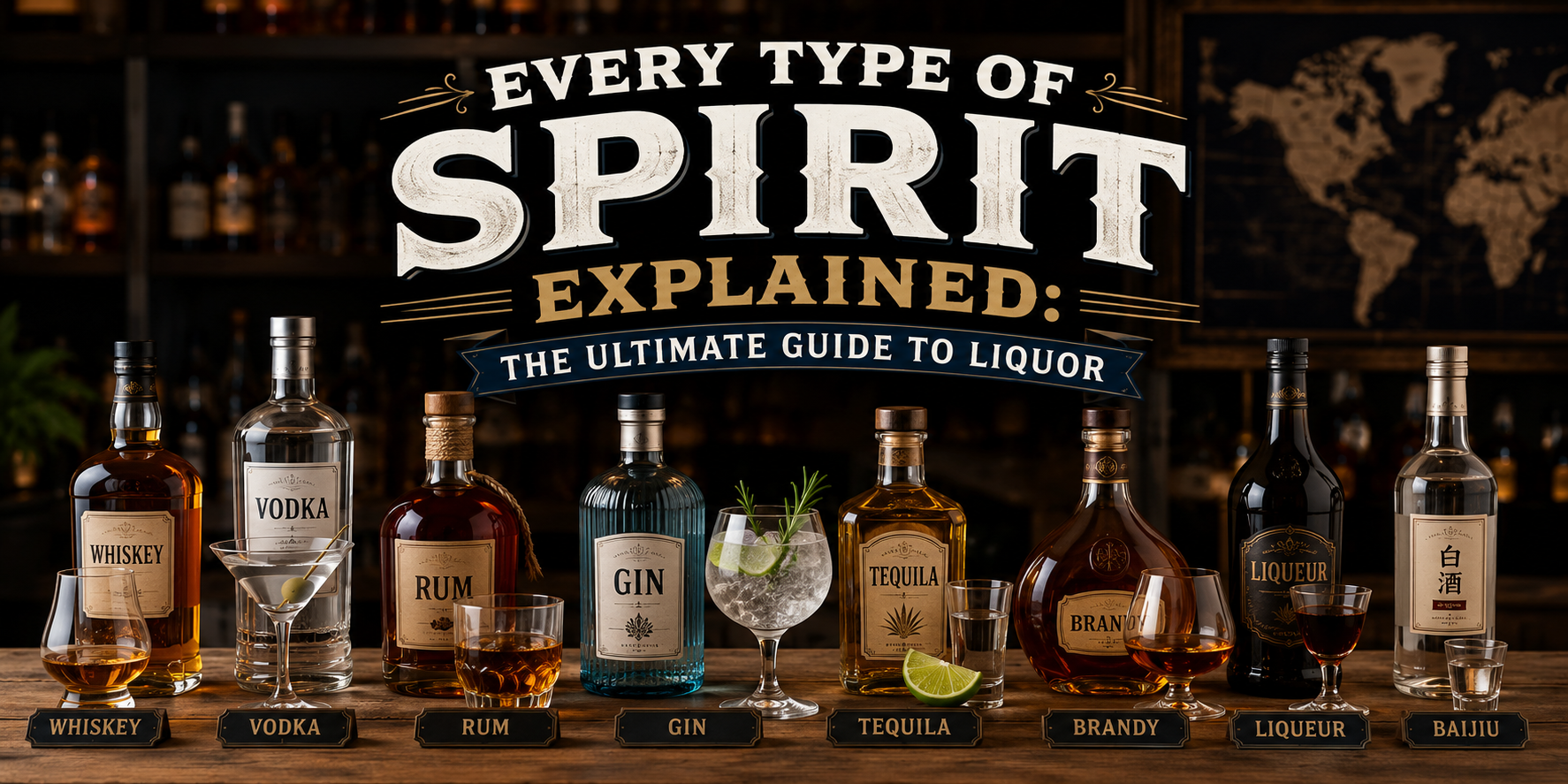
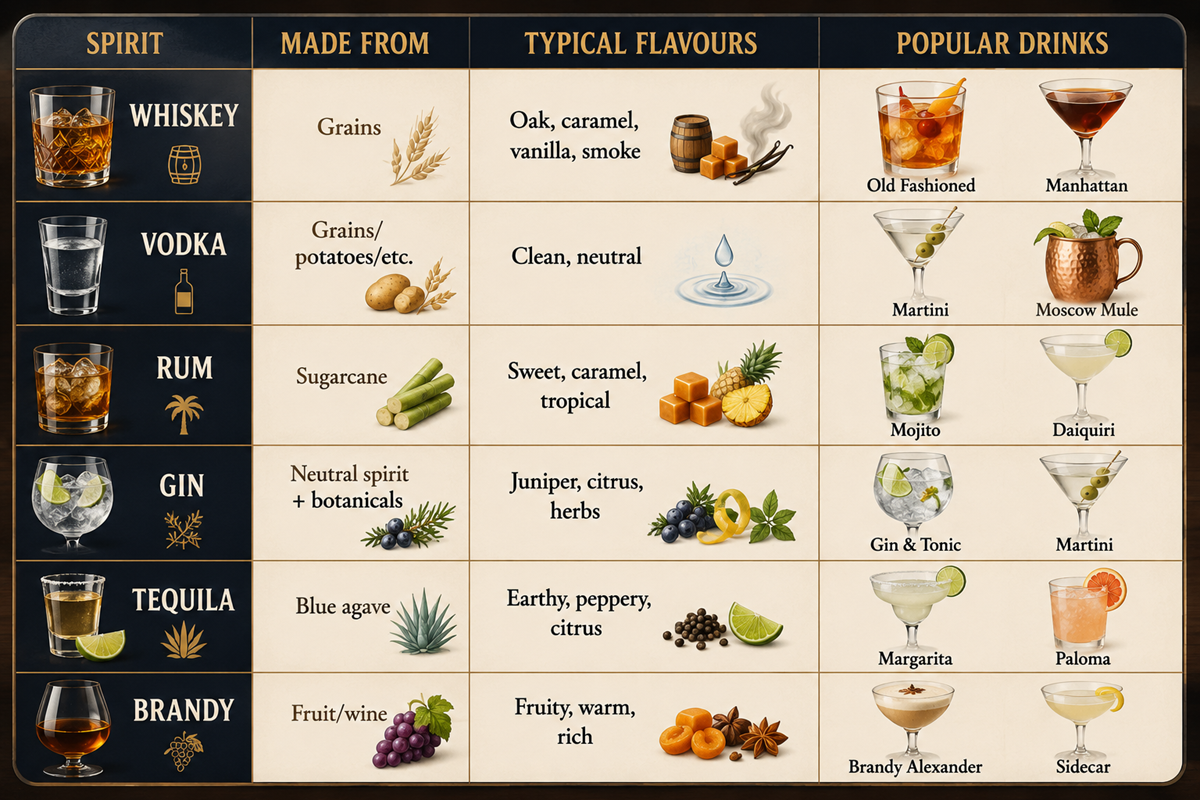
While there are countless individual brands and styles, the major categories of distilled spirits can be broken down into:
- Vodka
- Gin
- Whiskey or whisky
- Rum
- Tequila
- Mezcal
- Brandy
- Liqueurs
There are plenty of specialist categories within these groups. Whiskey alone includes bourbon, rye, Tennessee whiskey, Scotch whisky, Irish whiskey and Japanese whisky, while brandy includes styles such as Cognac and Armagnac.
The easiest way to understand spirits is to look at three things:
- What they are made from
- How they are produced
- Where they come from
Those three factors have an enormous influence on the final flavor.
What is a Spirit?
What makes a drink a spirit?
A spirit is an alcoholic beverage produced by fermenting a raw material and then distilling the resulting liquid.
The raw material might be grain, fruit, sugarcane, potatoes, agave or another source of fermentable sugars or starches.
Fermentation converts sugars into alcohol. Distillation then concentrates the alcohol and separates it from much of the water and other components in the fermented liquid.
How spirits differ from beer and wine
This is what separates distilled spirits from beverages such as beer and wine.
Beer and wine are fermented but generally aren’t distilled. Spirits take the process a step further.
What does ABV mean and why are most spirits around 40% ABV?
The result is a beverage with a considerably higher alcohol concentration. Many spirits sit around 40% alcohol by volume (ABV), although actual strengths vary considerably.
Some spirits are then aged in wooden barrels, while others are bottled relatively soon after distillation.
Others are infused, flavored or blended with additional ingredients.
And that is where things start getting interesting.
Spirit Comparison Guide
Liquor vs Spirits: Are They the Same Thing?
In everyday conversation, liquor and spirits are often used interchangeably to describe distilled alcoholic beverages.
Vodka, rum, gin, tequila and whiskey can all be described as spirits or liquor.
The word liquor can be particularly confusing because it sounds similar to liqueur.
They aren’t the same thing.
A spirit is generally a distilled alcoholic beverage such as vodka or rum. A liqueur is a flavored alcoholic drink made using a spirit base and additional ingredients such as fruit, herbs, spices, nuts, coffee, chocolate or sugar.
For example:
- Vodka is a spirit.
- Rum is a spirit.
- Gin is a spirit.
- Amaretto is a liqueur.
- Coffee liqueur is a liqueur.
- Triple sec is a liqueur.
Liqueurs are generally sweeter and are commonly used in cocktails, although plenty are also enjoyed neat or over ice.
Key Characteristics of Spirits
Understanding the distinct traits of spirits can enhance your appreciation and selection process. Here, we explore the essential characteristics that define each type of spirit.
1. Vodka
What Is Vodka Made From?
Vodka is one of the most versatile spirits in the world.
It can be produced from a variety of fermentable raw materials, including:
- Wheat
- Rye
- Corn
- Barley
- Potatoes
- Grapes
- Other agricultural products
The raw material is fermented, distilled and usually filtered before being diluted with water to the desired bottling strength.
Unlike many aged spirits, vodka is generally not designed to develop a strong flavor from wood or extended maturation.
Its reputation is built around being relatively clean and neutral.
That makes it an extremely useful spirit behind a bar.
What Does Vodka Taste Like?
The classic description of vodka is clean, neutral and smooth, although different vodkas can have noticeable differences.
Depending on the ingredients and production method, you may detect:
- Pepper
- Grain
- Creaminess
- Citrus
- Mineral notes
- Subtle sweetness
- A warming alcoholic finish
Premium vodka isn’t necessarily supposed to taste like nothing. Rather, it is often about producing a clean spirit with minimal harshness and a particular texture.
Popular Vodka Cocktails
Vodka appears in an enormous number of cocktails because it doesn’t overpower other ingredients.
Popular examples include:
- Moscow Mule
- Vodka Martini
- Bloody Mary
- Cosmopolitan
- Screwdriver
- White Russian
- Espresso Martini
- Black Russian
Its neutrality also makes it popular for flavored spirits.
Fruit, citrus, vanilla and other flavors can be introduced to create flavored vodka without the strong botanical character associated with gin.
Why Is Vodka So Popular?
Vodka is arguably the great utility player of the spirits world.
It works with fruit juice, soda, coffee, ginger beer, vermouth and a long list of cocktail ingredients.
If whiskey is the bloke who turns up to the barbecue with a detailed opinion about the charcoal, vodka is happy to help with whatever is happening.
2. Gin
What Is Gin Made From?
Gin begins with a neutral spirit, but what makes it gin is the addition of botanicals, with juniper being the defining ingredient.
Other botanicals may include:
- Coriander
- Angelica root
- Citrus peel
- Cardamom
- Orris root
- Cinnamon
- Pepper
- Herbs
- Flowers
- Spices
Different distillers use different botanical combinations, which explains why gins can taste dramatically different from one another.
Two bottles sitting beside each other on a shelf may both be gin, yet one can taste strongly of citrus while another is earthy, floral, spicy or intensely juniper-forward.
What Does Gin Taste Like?
The defining flavor is juniper, often accompanied by citrus, herbs and spices.
Modern gin can range from:
- Strongly juniper-led
- Citrus-heavy
- Floral
- Herbal
- Spicy
- Earthy
- Fruity
This variety is one reason the gin category has become so interesting for cocktail drinkers.
Types of Gin
There are numerous recognized styles, including:
London Dry Gin
London Dry is a style rather than simply a statement about where the gin was made.
It tends to have a pronounced juniper character and a relatively dry flavor profile.
Plymouth Gin
Plymouth is a historically recognized style associated with Plymouth, England.
It is traditionally softer and more earthy than many London Dry gins.
Old Tom Gin
Old Tom is generally sweeter than London Dry gin and has historical connections to classic cocktails.
Contemporary or New Western Gin
These gins often place less emphasis on juniper and allow other botanicals, such as citrus or floral ingredients, to take center stage.
Popular Gin Cocktails
Gin is particularly important in classic cocktails.
Some of the best-known include:
- Gin & Tonic
- Martini
- Negroni
- Tom Collins
- Gimlet
- Aviation
- Singapore Sling
- French 75
The gin and tonic remains one of the simplest ways to appreciate the differences between individual gins.
Change the gin, tonic and garnish and you’ve effectively created a slightly different drink.
3. Whiskey or Whisky
Few spirit categories create more confusion than whiskey.
Even the spelling changes depending on the style and country.
Whiskey is commonly used for American and Irish products, while whisky is traditionally used for Scotch and some other countries.
But spelling is only the beginning.
Whiskey can be made from grains including:
- Barley
- Corn
- Rye
- Wheat
The grains are processed, fermented and distilled before the spirit is generally matured in wooden barrels.
The type of grain, distillation process, barrel and length of maturation all contribute to the final flavor.
What Does Whiskey Taste Like?
Whiskey can be:
- Sweet
- Spicy
- Smoky
- Fruity
- Nutty
- Malty
- Oaky
- Vanilla-like
- Caramel-like
- Rich and full-bodied
This enormous range explains why whiskey has such a loyal following.
Someone who says they don’t like whiskey may simply not have found the right style yet.
Bourbon
Bourbon is a type of American whiskey.
One of the most important requirements is that the mash bill contains at least 51% corn.
Bourbon is also matured in new, charred oak containers.
The result is often associated with flavors such as:
- Vanilla
- Caramel
- Oak
- Toffee
- Baking spices
- Sweet corn
Bourbon is commonly enjoyed neat, over ice or in cocktails.
Popular bourbon cocktails include:
- Old Fashioned
- Manhattan
- Whiskey Sour
- Mint Julep
Rye Whiskey
Rye whiskey is another major American whiskey style.
Rye tends to produce a spicier and more assertive flavor than bourbon.
Typical notes include:
- Pepper
- Spice
- Oak
- Fruit
- Caramel
Rye is particularly good in cocktails where you want the whiskey to make its presence known.
Scotch Whisky
Scotch whisky must be produced in Scotland and follows specific production and maturation requirements.
There are several categories, including:
- Single malt Scotch
- Single grain Scotch
- Blended malt Scotch
- Blended grain Scotch
- Blended Scotch
Single malt Scotch is made at one distillery using malted barley.
Blended Scotch combines different whiskies.
Scotch can be light and fruity or incredibly smoky and powerful.
Some Islay whiskies, for example, are famous for intense smoky and peaty flavors.
Irish Whiskey
Irish whiskey is produced in Ireland and includes styles ranging from light and approachable to rich and complex.
Irish whiskey is often associated with smoothness, fruit, cereal and gentle spice.
It is commonly enjoyed neat, over ice or in cocktails such as Irish Coffee.
Japanese Whisky
Japanese whisky has developed a strong international reputation for precision, balance and complexity.
Japanese producers have historically drawn inspiration from Scotch whisky production while developing their own styles.
Depending on the whisky, flavors may include:
- Orchard fruit
- Vanilla
- Oak
- Spice
- Smoke
- Malt
- Citrus
The category has also become increasingly collectible, which means some bottles can command eye-watering prices.
There’s a lot more we can elaborate on about Whiskey, and our main article about Whiskey can be read here.
Apparently, whisky collecting is one hobby where drinking your investment isn’t always encouraged.
4. Rum
What Is Rum Made From?
Rum is produced from sugarcane.
Depending on the style, producers may use:
- Molasses
- Sugarcane juice
- Sugarcane syrup
The fermented material is distilled and may then be aged in barrels.
Rum is particularly associated with the Caribbean and other tropical regions, although it is now produced in many parts of the world.
What Does Rum Taste Like?
Rum is an extremely broad category.
Depending on the style, it can feature:
- Brown sugar
- Molasses
- Vanilla
- Caramel
- Tropical fruit
- Banana
- Spice
- Oak
- Dried fruit
This is why comparing all rum to a sweet tropical drink does the category a bit of a disservice.
There is far more to rum than putting it next to pineapple juice and hoping for the best.
White Rum
White rum is generally light in color and flavor.
It is particularly common in cocktails where you want rum character without a heavy barrel influence.
Popular drinks include:
- Mojito
- Daiquiri
- Piña Colada
- Dark Rum
Dark rum generally has deeper flavors and may spend longer in barrels or undergo other processes that produce its darker appearance.
It can feature notes of caramel, molasses, spice and dried fruit.
Spiced Rum
Spiced rum is flavored with ingredients such as:
- Vanilla
- Cinnamon
- Clove
- Nutmeg
- Other spices
It is commonly mixed with cola, ginger beer or fruit-based drinks.
Aged Rum
Aged rum is matured in barrels, often producing a considerably more complex spirit.
Good aged rum can be enjoyed neat or over ice rather than being hidden inside a cocktail.
5. Tequila
What Is Tequila Made From?
Tequila is made from blue Weber agave.
Despite the common misconception, agave isn’t a type of cactus. It is a succulent plant belonging to a different botanical family.
The mature agave plants are harvested and their cores, known as piñas, are cooked to convert complex carbohydrates into fermentable sugars.
The resulting liquid is fermented, distilled and then either bottled relatively young or matured.
Tequila production is regulated and tied to specific regions of Mexico.
What Does Tequila Taste Like?
Tequila can display flavors such as:
- Cooked agave
- Citrus
- Pepper
- Earth
- Herbs
- Fruit
- Vanilla
- Caramel
- Oak
The flavor varies considerably depending on the category and maturation.
Types of Tequila
Blanco
Blanco tequila is generally bottled shortly after distillation, although some limited resting may occur.
Because there is little barrel influence, the agave character is prominent.
Reposado
Reposado means rested.
This tequila spends time in oak, giving it additional color and flavors such as vanilla, caramel and spice while retaining much of the agave character.
Añejo
Añejo tequila is aged for longer and generally develops deeper oak and maturation flavors.
It is often better suited to sipping than using in a cocktail where much of its character could disappear.
Extra Añejo
Extra Añejo tequila is aged even longer and is generally richer and more oak-driven.
Tequila Cocktails
Tequila is the foundation of several famous cocktails.
The obvious one is the Margarita, but tequila also features in:
- Paloma
- Tequila Sunrise
- Tommy’s Margarita
- Tequila Old Fashioned
And yes, tequila can absolutely be sipped rather than treated as the opening act for a shot glass and a lime wedge.
6. Mezcal
What Is Mezcal?
Mezcal is another Mexican agave spirit, but tequila and mezcal are not interchangeable.
In simple terms, tequila is a specific type of agave spirit, while mezcal is a broader category that can be produced from various species of agave.
One of the characteristics commonly associated with traditional mezcal production is the cooking of agave in underground pits.
This can impart the distinctive smoky character that mezcal is famous for.
What Does Mezcal Taste Like?
Mezcal can be:
- Smoky
- Earthy
- Herbal
- Fruity
- Mineral
- Savoury
- Sweet
The amount of smoke can vary significantly.
Some mezcals are intensely smoky, while others are surprisingly delicate.
That means judging the entire category from one heavily smoked bottle is a little like judging every barbecue based on the one that caught fire.
Tequila vs Mezcal
The simplest distinction is:
All tequila is an agave spirit, but not all agave spirits are tequila.
Tequila is made using blue Weber agave and must meet specific geographical and production requirements.
Mezcal can be made from a wider range of agave species and follows different production traditions.
They can overlap in flavor but are distinctly different categories.
7. Brandy
What Is Brandy Made From?
Brandy is distilled from fermented fruit.
The most common raw material is grapes, although brandy can also be made from other fruits.
Apple, pear, cherry and other fruit brandies exist.
The fermented fruit is distilled and may then be aged in wooden barrels.
What Does Brandy Taste Like?
Brandy can feature flavors including:
- Dried fruit
- Raisin
- Apple
- Pear
- Vanilla
- Caramel
- Spice
- Oak
- Nuts
Younger brandies may be fruity and lively, while aged examples can become significantly richer and more complex.
Cognac
Cognac is a type of brandy produced in the Cognac region of France under specific regulations.
The main categories include:
- VS
- VSOP
- XO
These classifications relate to maturation requirements.
Cognac is commonly enjoyed neat but can also be used in classic cocktails.
Armagnac
Armagnac is another French brandy category.
It comes from the Armagnac region of southwest France and has its own production traditions.
It is often less internationally famous than Cognac, but enthusiasts appreciate its character and complexity.
Fruit Brandy
Brandy doesn’t have to come from grapes.
Apple brandy, pear brandy and cherry brandy are examples of fruit-based spirits.
These can be excellent introductions to brandy for people who find grape-based brandy too rich or formal.
8. Liqueurs
Liqueurs deserve their own category because they behave differently from the major base spirits.
A liqueur is generally a spirit that has been flavored and sweetened with ingredients such as:
- Fruit
- Herbs
- Spices
- Nuts
- Coffee
- Chocolate
- Cream
- Flowers
Liqueurs are normally lower in alcohol than many base spirits, although strengths vary considerably.
They are particularly important in cocktails because they add both flavor and sweetness.
Popular Types of Liqueur
Orange Liqueurs
Orange liqueurs include styles such as triple sec and curaçao.
They are essential ingredients in cocktails such as:
- Margarita
- Cosmopolitan
- Sidecar
- Mai Tai
- Coffee Liqueur
Coffee liqueurs combine coffee flavors with a sweet alcoholic base.
They are popular in:
- Espresso Martini
- White Russian
- Black Russian
- Cream Liqueurs
Cream liqueurs combine dairy or cream with spirits, sugar and flavorings.
They are commonly served neat, over ice or in desserts and coffee.
Nut Liqueurs
Nut-based liqueurs can include almond, hazelnut and other flavors.
Amaretto is perhaps the best-known example.
Herbal Liqueurs
Herbal liqueurs can contain a complex mixture of herbs, spices, roots and botanicals.
These can range from sweet and approachable to remarkably bitter and intense.
What About Other Types of Spirits?
The categories above cover most of the spirits you’ll encounter in a typical bar, but the world of distilled drinks is much larger.
There are also specialist and regional spirits including:
- Aquavit
- Pisco
- Grappa
- Cachaça
- Shochu
- Soju
- Arrack
- Baijiu
- Fruit eaux-de-vie
- Calvados
Each has its own production traditions and cultural history.
Cachaça
Cachaça is a Brazilian spirit made from fermented fresh sugarcane juice.
It is closely associated with the Caipirinha, one of Brazil’s best-known cocktails.
Unlike many rums, which are commonly produced from molasses, cachaça traditionally uses fresh sugarcane juice.
Pisco
Pisco is a grape spirit associated with South America, particularly Peru and Chile.
It is used in cocktails such as the Pisco Sour.
Grappa
Grappa is an Italian grape pomace spirit.
Rather than using grape juice or wine as the starting material, producers distil the grape skins, seeds and other solid remains left after winemaking.
Aquavit
Aquavit is a Scandinavian spirit typically flavored with botanicals such as caraway and dill.
It is traditionally associated with countries including Denmark, Norway and Sweden.
Baijiu
Baijiu is a Chinese distilled spirit category with a long history and a remarkable variety of styles.
It is often made from grains such as sorghum and can have powerful, distinctive aromas and flavors.
It is one of the world’s major spirit categories despite being less familiar to many Western drinkers.
The Art of Spirit Production
How Does Distillation Affect a Spirit?
Distillation is one of the key processes that separates spirits from fermented beverages.
A fermented liquid contains alcohol, water and numerous other compounds.
During distillation, the liquid is heated and the components are separated based on their different boiling characteristics and volatility.
Distillers can control which portions of the distillate are retained.
This helps determine the character of the finished spirit.
The equipment also matters.
Different still designs can produce different results.
Pot Still
Pot stills are commonly associated with spirits such as Scotch whisky, Irish whiskey, rum and brandy.
They tend to produce spirits with more character and flavor compounds.
Column Still
Column stills allow for continuous distillation and can produce highly refined and relatively neutral spirits.
Vodka is one example where high levels of rectification can be used to produce a clean spirit.
Neither approach is automatically better.
They simply produce different results.
Why Does Barrel Ageing Matter?
Some spirits are aged in wooden barrels after distillation.
This is particularly important for:
- Whiskey
- Brandy
- Cognac
- Aged rum
- Aged tequila
During maturation, the spirit interacts with the wood.
This can introduce flavors such as:
- Vanilla
- Caramel
- Toast
- Spice
- Coconut
- Dried fruit
The spirit can also undergo chemical changes as it matures.
The type of wood, previous contents of the barrel, climate, barrel size and length of maturation all influence the final product.
For example, a spirit matured in a previously used bourbon barrel may develop very different characteristics from one matured in a new oak barrel.
And despite what the label might suggest, older doesn’t automatically mean better.
Age is one factor.
Quality of the spirit, maturation conditions and the desired style matter just as much.
What Does ABV Mean?
ABV stands for alcohol by volume.
It tells you what percentage of the liquid is pure alcohol by volume.
For example, a bottle labelled 40% ABV contains 40% alcohol by volume.
Spirits commonly sit around the 40% ABV mark, although many products are stronger.
Cask-strength whiskey, navy-strength gin and overproof rum can be considerably higher.
Higher ABV doesn’t necessarily mean better quality.
It simply means there is more alcohol in the liquid.
That can affect flavor, texture and how the spirit is best consumed.
Serving Styles
Once you’ve worked out what type of spirit you’re drinking, the next question is what to do with it.
There are three particularly common approaches.
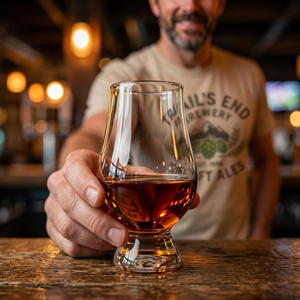
Drinking Neat
Drinking a spirit neat means serving it without ice or a mixer.
This is common with:
Whiskey
Cognac
Aged rum
Premium tequila
Some brandies
It allows you to experience the spirit’s aroma, flavor and finish without other ingredients getting in the way.
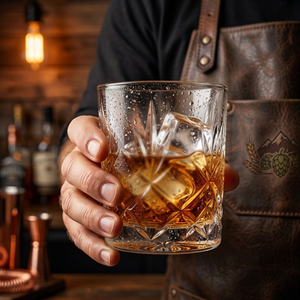
On the Rocks
“On the rocks” means serving the spirit over ice.
Ice cools the drink and gradually dilutes it as it melts.
That dilution isn’t necessarily a bad thing.
A small amount of water can open up some spirits and soften the alcoholic heat.
With a Mixer
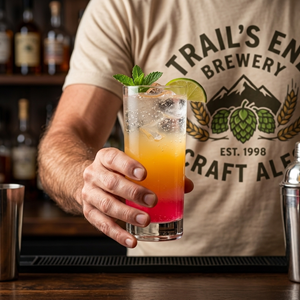
Some spirits are designed to work particularly well with mixers.
Examples include:
Gin and tonic
Rum and cola
Vodka soda
Whiskey and ginger ale
Tequila and grapefruit soda
Vodka and lemonade
A good mixer should complement the spirit rather than completely bury it.
Top Cocktails for Each Spirit
Whiskey
Best when you want richness, oak, spice and depth.
Great for:
- Old Fashioneds
- Manhattans
- Whiskey Sours
Vodka
Best when you want a relatively neutral alcoholic base.
Great for:
- Espresso Martinis
- Moscow Mules
- Cosmopolitans
Gin
Best when botanical character is desirable.
Great for:
- Martinis
- Negronis
- Gin & Tonics
Rum
Excellent for tropical, fruity and refreshing cocktails.
Great for:
- Daiquiris
- Mojitos
- Piña Coladas
Tequila
Ideal for bright, citrus-driven drinks.
Great for:
- Margaritas
- Palomas
Brandy
Excellent for rich, classic cocktails.
Great for:
- Sidecars
- Brandy Alexanders
- Brandy Sours
Liqueurs
Liqueurs aren’t usually the primary spirit in a cocktail, but they are often essential for flavor, sweetness and complexity.
Choosing the Right Spirit
How to Choose a Spirit
If you’re standing in a bottle shop staring at several hundred bottles and wondering where to start, don’t panic.
You don’t need to understand every distillery in Scotland before buying a bottle.
Start with the flavor profile you enjoy.
If You Like Sweet Flavors
Consider:
- Aged rum
- Bourbon
- Some brandies
- Cream liqueurs
- Fruit liqueurs
If You Like Smoky Flavors
Look at:
- Peated Scotch whisky
- Certain mezcals
If You Like Fresh and Citrus Flavors
Try:
- Gin
- Blanco tequila
- Citrus-forward vodka
- Liqueurs with orange or other citrus flavors
If You Like Spicy Flavors
Consider:
- Rye whiskey
- Some gins
- Spiced rum
- Certain tequilas
If You Prefer Something Neutral
Vodka is the obvious starting point.
It works particularly well if you prefer the flavors of the mixer or cocktail ingredients rather than a strongly flavored spirit.
Common Queries About Home Bars
Explore answers to the most frequently asked questions about setting up and maintaining your home bar.
What are the essential spirits for a home bar?
You don’t need to buy every bottle on the shelf.
A sensible home bar can cover a surprising number of cocktails with a relatively small selection.
A useful starting point might include:
- Vodka – for neutral cocktails and mixed drinks.
- Gin – for Martinis, Gin & Tonics and classic cocktails.
- Bourbon or rye whiskey – for Old Fashioneds and whiskey cocktails.
- Rum – particularly a versatile white or lightly aged rum.
- Tequila – ideally a quality blanco for Margaritas and Palomas.
- Brandy – useful for classic cocktails and sipping.
- Orange liqueur – one of the most useful cocktail modifiers.
- Coffee liqueur – particularly handy for modern and dessert-style cocktails.
From there, you can expand according to your tastes.
If you enjoy whiskey, buy more whiskey.
If gin is your thing, there’s no law requiring you to own seven bottles of rum just because someone on the internet said a home bar should have them.
How do I choose the right barware?
Consider the types of drinks you enjoy most. Essential barware includes a cocktail shaker, jigger, strainer, and a muddler.
How should I store my spirits?
Store spirits in a cool, dark place, away from direct sunlight, to maintain their quality over time.
Do I need to refrigerate my spirits?
Most spirits do not require refrigeration, but some liqueurs and vermouths should be kept chilled after opening.
How long do opened spirits last?
Once opened, spirits can last for years if stored properly, though they may lose some flavor over time.
What mixers should I have on hand?
Stock up on tonic water, club soda, ginger ale, and juices like cranberry and orange for versatile mixing options.
Crafting the Perfect Home Bar
Transform Your Space with I Know The Barman
At I Know The Barman, we provide creative advice on crafting the ultimate home bar and/or man cave. From selecting the right barware to designing a space that reflects your style, our tips and ideas will help you build a bar that is both functional and impressive.
Whether you’re a cocktail connoisseur or a casual entertainer, our resources are designed to elevate your home bar experience.
Frequently Asked Questions About Spirits
What are the main types of liquor?
The major categories are vodka, gin, whiskey, rum, tequila, mezcal, brandy and liqueurs.
Different countries and classification systems may divide these categories differently, but these cover most of the spirits you’ll encounter in bars and bottle shops.
What is the most popular type of spirit?
Popularity varies significantly by country, age group and market.
Recent consumer research shows strong interest in tequila, vodka, whiskey and rum, with tequila particularly prominent in several consumer surveys.
That doesn’t necessarily mean one category is universally “the most popular.” Drinking habits vary considerably between markets.
What is the strongest type of alcohol?
There is no single spirit category that is automatically the strongest.
Most commercial spirits are bottled at moderate strengths, often around 40% ABV, but some products are bottled at substantially higher strengths.
Overproof rum, cask-strength whiskey and navy-strength gin are examples of higher-strength spirits.
It’s possible to buy the extraordinary. I once bought a bottle of Rivers Rum from the island of Grenada, and boy, that is a firewater!
What is the difference between whiskey and whisky?
The spelling is generally associated with the country or style.
“Whiskey” is commonly used for American and Irish products.
“Whisky” is generally used for Scotch and is also used by producers in several other countries.
There are exceptions, so spelling alone isn’t a perfect classification system.
Is bourbon whiskey?
Yes.
Bourbon is a type of American whiskey.
However, not all whiskey is bourbon.
Bourbon has specific production requirements, including a mash bill containing at least 51% corn and maturation in new, charred oak containers.
Is Scotch whiskey?
Scotch is a type of whisky produced in Scotland.
It includes several categories, including single malt and blended Scotch.
Scotch can range from light and fruity to heavily peated and smokey.
Is tequila a type of rum?
No.
Tequila is an agave spirit produced in Mexico.
Rum is made from sugarcane-derived materials.
They are completely different spirit categories.
Is Mezcal the same as Tequila?
No.
Both are Mexican agave spirits, but tequila and mezcal have different production requirements and can use different agave varieties.
Tequila uses blue Weber agave, while mezcal can be produced from various agave species.
Is brandy the same as Cognac?
No.
Cognac is a specific type of brandy produced in the Cognac region of France under defined regulations.
All Cognac is brandy, but not all brandy is Cognac.
What is the difference between liquor and liqueur?
Liquor or spirit generally refers to distilled alcoholic drinks such as vodka, rum, gin and whiskey.
Liqueurs are flavored and usually sweetened alcoholic drinks made using a spirit base and additional flavorings.
What spirit is easiest to drink?
That’s highly subjective.
Vodka is relatively neutral, while rum, brandy and certain liqueurs can offer sweeter flavor profiles.
The easiest spirit to drink for one person may be completely unappealing to another.
There is no universal winner—and anyone who claims there is probably has a bottle they want you to buy.
Final Thoughts: Understanding Spirits Doesn't Have to Be Complicated
The world of spirits can look complicated because there are so many categories, styles, regulations and production methods.
But once you understand the basic families, it becomes much easier.
Vodka is generally clean and neutral.
Gin gets its personality from botanicals, particularly juniper.
Whiskey is a broad grain-based category where grain, distillation and barrel ageing create enormous variation.
Rum starts with sugarcane and ranges from light and fresh to dark, rich and complex.
Tequila is an agave spirit with a strong connection to Mexico and a range of styles from bright blanco to richly matured extra añejo.
Mezcal offers a broader world of agave spirits and is often associated with smoky, earthy flavors.
Brandy is distilled from fruit and includes prestigious categories such as Cognac.
And liqueurs bring sweetness and additional flavors to cocktails, desserts and after-dinner drinks.
Once you understand those foundations, reading a cocktail menu or browsing the spirits section of a bottle shop becomes considerably less intimidating.
More importantly, you can start choosing drinks based on what you actually enjoy rather than simply grabbing the bottle with the fanciest label.
Because ultimately, knowing your spirits isn’t about memorizing every distillery, production rule and obscure regional classification.
It’s about understanding what’s in the bottle—and finding the stuff you like drinking.
And that’s a pretty good reason to keep exploring.