So, you’ve decided to start making cocktails at home. Excellent decision.
You’ve bought the spirits, stocked up on mixers and perhaps even practiced your best bartender face in the mirror. There’s just one small problem.
You need some cocktail making tools.
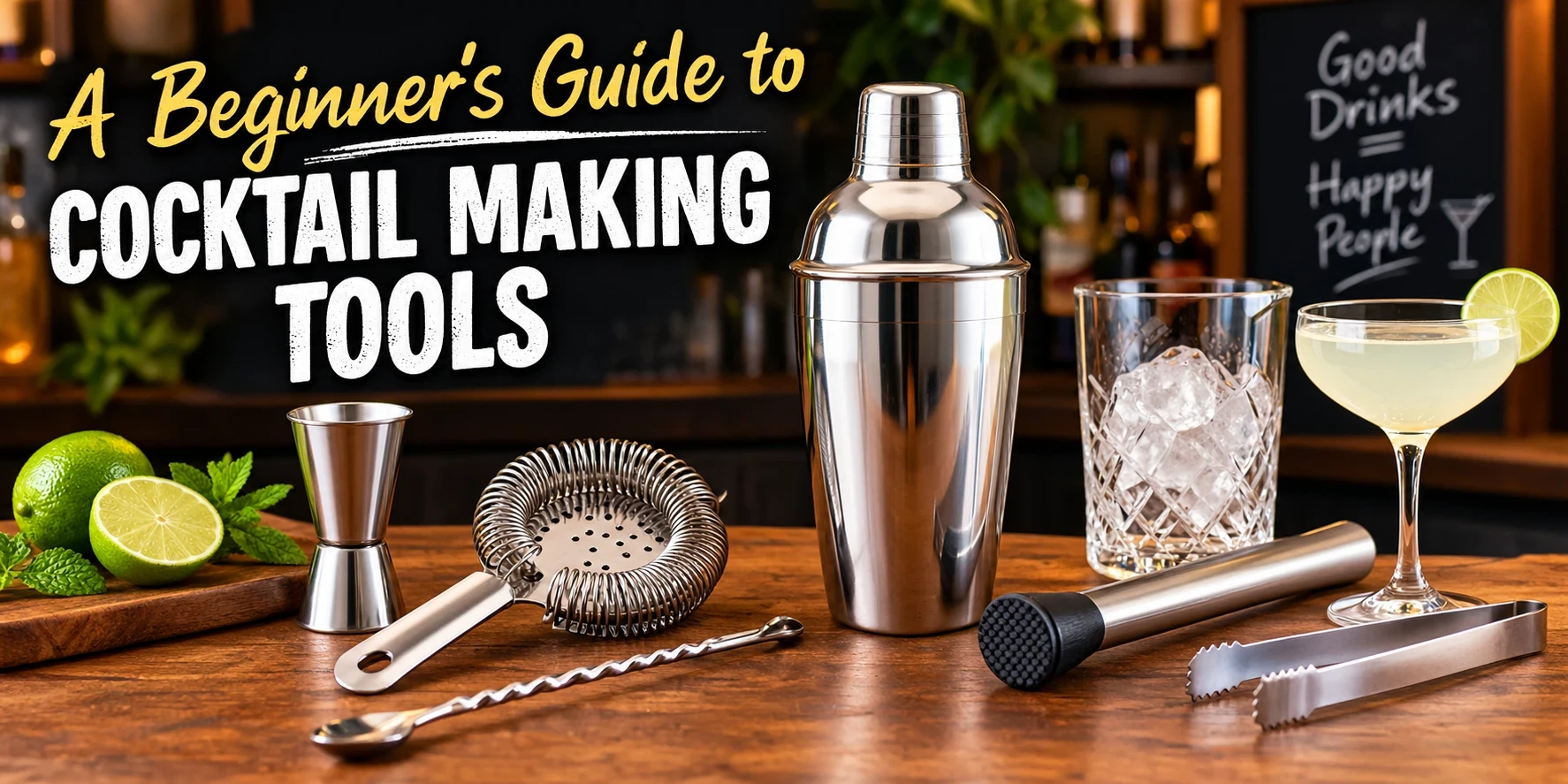
Now, before you rush out and buy a 37-piece bartending kit containing things you’ve never heard of and probably won’t use, let’s take a step back.
You don’t need to turn your home bar into a professional cocktail laboratory to make a decent drink. A handful of quality bartending tools will get you surprisingly far.
This beginner’s guide explains the essential cocktail tools, what they actually do, which ones are worth buying and which ones you can probably live without.
Because nobody needs a stainless-steel gadget taking up half the kitchen bench just to make a Mojito.
What Cocktail Making Tools Do You Actually Need?
If you’re starting from scratch, I’d begin with five essential cocktail tools:
- Cocktail shaker
- Jigger
- Cocktail strainer
- Bar spoon
- Muddler
Add a citrus juicer, mixing glass and a few basic garnish tools as you progress, and you’ll have most of what you need for a properly equipped home bar.
Of course, the cocktails you enjoy will determine which cocktail making equipment is most useful.
Love Margaritas? A citrus juicer becomes important.
Prefer Martinis and Manhattans? A mixing glass and bar spoon are more useful.
Planning to become the next Tom Cruise in Cocktail? Well, you’ll need considerably more confidence than equipment.
1. Cocktail Shaker
The cocktail shaker is probably the first piece of equipment people associate with making cocktails.
And for good reason.
A shaker is used to combine and chill ingredients, particularly drinks containing fruit juice, syrups, cream, egg white or other ingredients that need vigorous mixing.
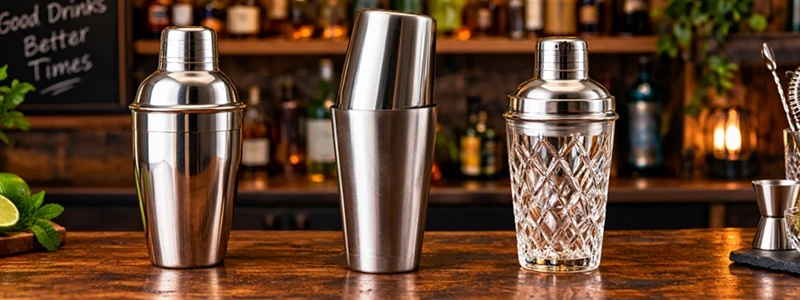
There are several types, but beginners will generally come across the Boston shaker and cobbler shaker.
A cobbler shaker has a built-in strainer and three pieces, making it relatively straightforward for beginners.
A Boston shaker consists of two parts and is favored by many professional bartenders because it is quick and versatile.
For your home bar, either can do the job, and will merge perfectly next to one of these unusual shaped whiskey bottles.
The important thing is getting a shaker that’s comfortable to hold and doesn’t leak all over the kitchen when you give your Daiquiri an enthusiastic workout.
2. Jigger
The jigger might look like a tiny piece of stainless-steel equipment designed specifically to disappear down the back of a drawer.
It isn’t.
It’s one of the most useful cocktail making tools you’ll own.
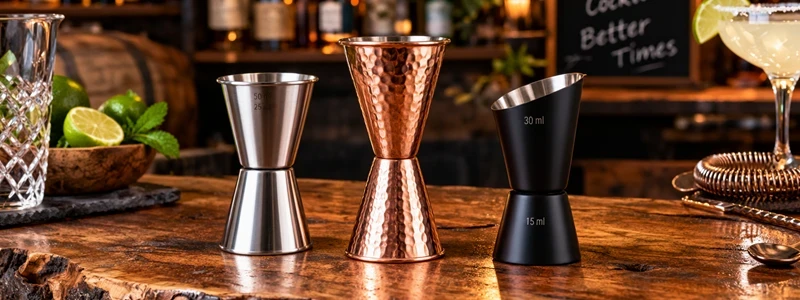
A jigger allows you to measure spirits and other ingredients accurately. This matters because cocktail recipes are balanced around specific proportions.
Pour too little rum into a Daiquiri and it can taste like expensive lime cordial.
Pour too much and suddenly you’ve invented a drink called “Tomorrow Morning’s Mistake”.
Most jiggers have two different-sized cups, allowing you to measure common quantities without needing a collection of measuring equipment.
For beginners, I’d strongly recommend using a jigger rather than simply free-pouring everything.
Once you’ve made enough cocktails, you can worry about developing your bartender’s sixth sense.
3. Cocktail Strainer
Once you’ve shaken your cocktail, you need to get the liquid from the shaker into the glass without bringing all the ice, fruit pulp and other unwanted passengers along for the ride.
Enter the cocktail strainer.
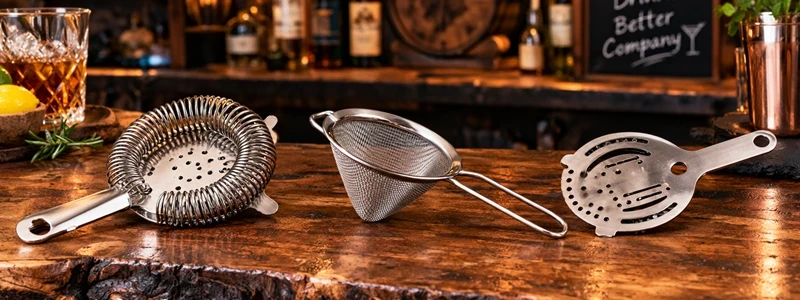
A Hawthorne strainer is one of the most common options. It has a spring around the edge that helps catch ice and larger pieces of fruit or herbs.
A Julep strainer is another option and is traditionally associated with stirred cocktails.
You can also use a fine-mesh strainer when you want an especially smooth drink. This technique, often called double straining, is useful for cocktails containing herbs, citrus pulp or other small particles.
Do you absolutely need three different strainers?
No.
Start with a Hawthorne strainer and expand your collection if you become seriously interested in cocktail making.
4. Bar Spoon
It’s a spoon.
But it’s a very long spoon.
And yes, there is a reason for that.
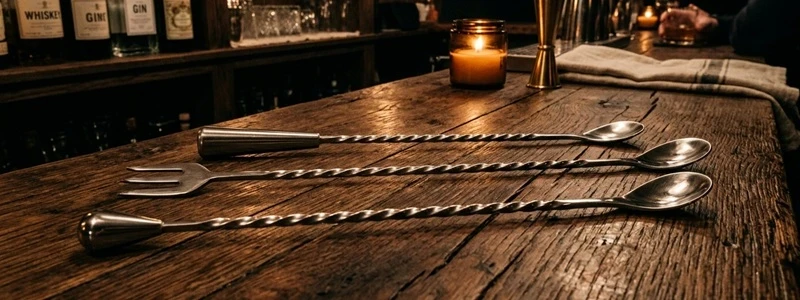
A bar spoon is designed to make stirring cocktails easier, particularly when you’re working with a tall mixing glass.
The long handle lets you reach the bottom of the glass while keeping your hand away from the drink.
It’s also useful for layering ingredients, measuring small quantities and giving drinks a controlled stir.
If you’ve ever tried stirring a cocktail with an ordinary teaspoon, you’ll understand why a proper bar spoon exists.
You can do it, of course. You can also change a tire with a butter knife.
Sometimes the proper tool simply makes life easier.
5. Muddler
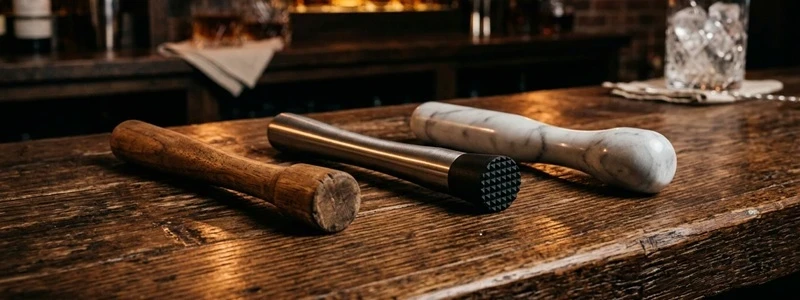
A muddler is used to gently crush ingredients such as mint, fruit and sugar in the bottom of a glass or shaker.
It’s particularly useful for cocktails such as Mojitos and Old Fashioneds.
The key word here is gently.
A common beginner mistake is to treat a muddler like a medieval weapon and pulverize everything in sight.
That’s generally unnecessary.
With herbs such as mint, you’re trying to release flavor and aroma rather than turn them into green sludge.
A decent muddler doesn’t need to be particularly complicated. Look for one that’s comfortable to hold and has a suitable end for crushing ingredients.
6. Mixing Glass
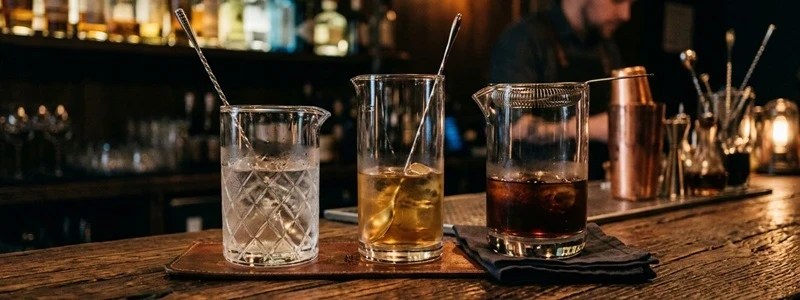
If shaking is for cocktails that need some serious combining, stirring is the more refined alternative.
A mixing glass is used for cocktails such as Martinis, Manhattans and Negronis.
These drinks don’t usually need the violent treatment of a shaker. Instead, they’re gently stirred with ice to chill and dilute the cocktail while keeping the drink clear and silky.
A mixing glass is therefore one of the more useful pieces of bartending equipment once you’ve moved beyond the absolute basics.
And if you’re making Martinis, it starts to look rather classy sitting on the home bar.
Which is important.
Because cocktails taste approximately 14 percent better when you’ve got something that looks professional sitting beside them.
That figure is completely unscientific, obviously.
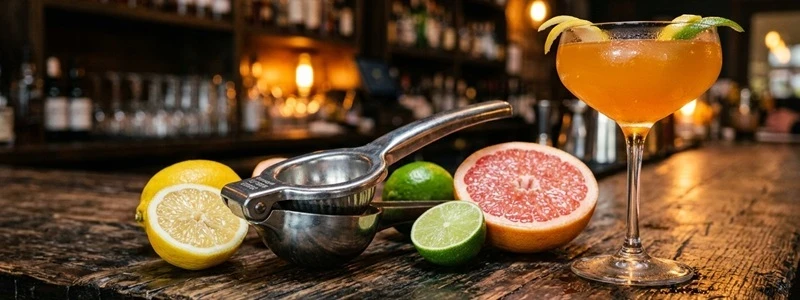
7. Citrus Juicer
Fresh citrus juice can make a remarkable difference to cocktails.
Lemons and limes are particularly common cocktail ingredients, appearing in drinks such as Margaritas, Daiquiris, Whiskey Sours and Gimlets.
You don’t necessarily need an expensive commercial juicer.
A simple handheld citrus press can do the job very well for a home bar.
The important thing is that it makes squeezing fresh juice quick and easy. If extracting the juice becomes a chore, there’s a good chance you’ll reach for the bottled stuff instead.
And once you’ve experienced a cocktail made with fresh lime juice, that bottled lime juice sitting in the fridge may suddenly look considerably less appealing.
8. Bar Knife and Peeler
Now we’re getting into the accessories that can turn a drink from “cocktail” into “look what I made”.
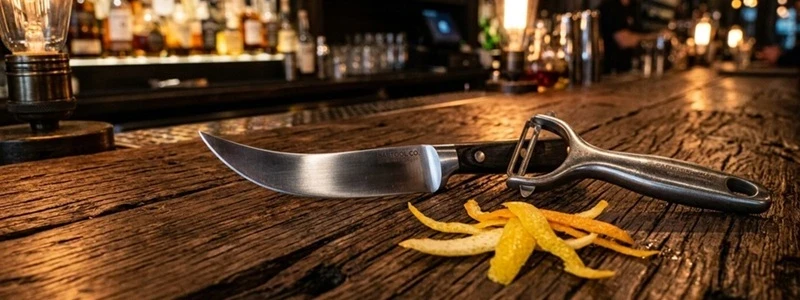
A small bar knife is useful for cutting citrus, preparing fruit and creating garnishes.
A vegetable peeler can also produce long strips of lemon or orange peel for cocktails such as an Old Fashioned or Negroni.
You don’t necessarily need specialist equipment here.
Your kitchen probably already contains most of what you need.
But if you’re building a dedicated home bar, having a few garnish tools available makes preparation quicker and keeps your kitchen equipment from mysteriously migrating between rooms.
9. Ice Tools
Ice is one of the most overlooked ingredients in cocktail making.
It’s not just there to make the drink cold.
Ice also affects dilution, texture and the final balance of many cocktails.
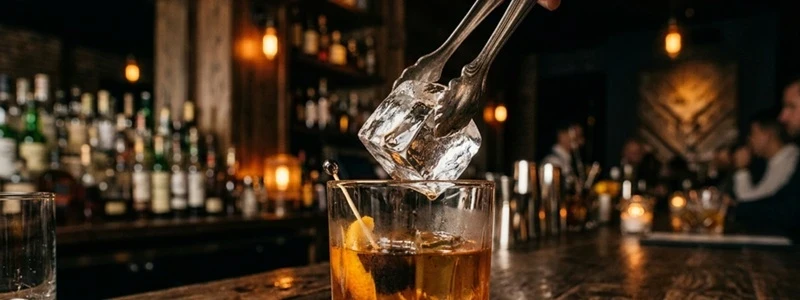
A decent pair of ice tongs is useful for handling ice hygienically, while an ice scoop can make filling glasses and shakers considerably easier.
You can also experiment with different types of ice.
Large cubes or spheres are popular for spirits and stirred drinks because they melt more slowly than smaller cubes. That is unless you’re using whiskey stones of course, which don’t dilute your drinks.
Crushed ice is useful for cocktails such as a Mojito or Mint Julep.
You don’t need an industrial ice machine when you’re starting out, though. Your freezer will probably survive the experience.
10. Bottle Opener and Corkscrew
Not the most glamorous cocktail making tools, but definitely useful.
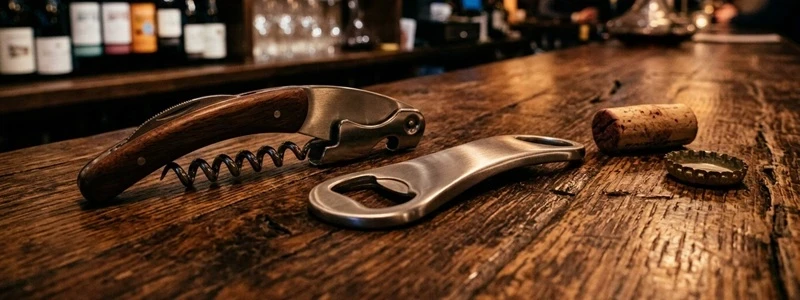
A bottle opener will handle beer, mixers and other bottled drinks, while a corkscrew is handy when wine or fortified wine makes an appearance.
And let’s be honest, home bars tend to become gathering places for whatever beverages happen to wander through the door.
So having the basics available makes sense.
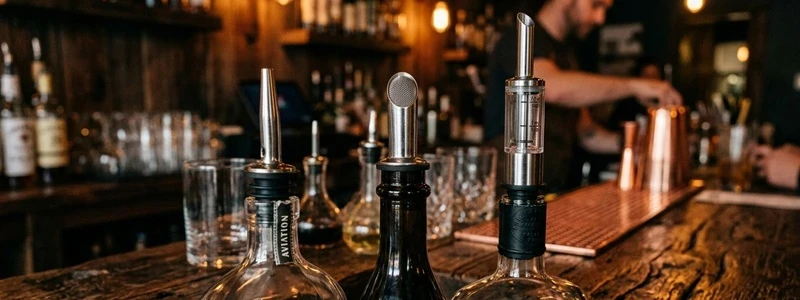
11. Pour Spouts
Pour spouts are fitted to spirit bottles to make pouring easier and more controlled.
They’re particularly useful if you’re making several drinks and want a consistent pour.
However, they’re not essential for beginners.
If you’re using a jigger, you can measure your ingredients directly from the bottle.
I’d consider pour spouts an upgrade rather than one of the first cocktail tools for beginners to buy.
12. Cocktail Picks and Garnish Tools
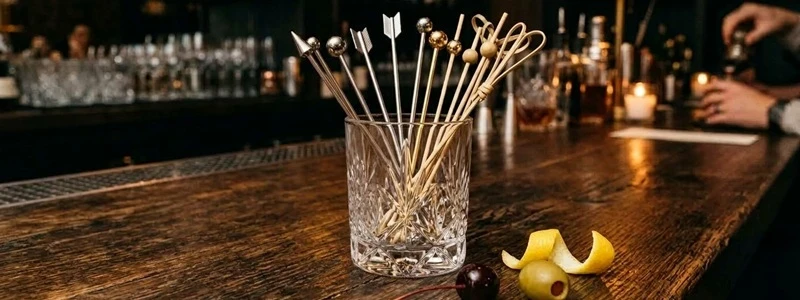
Cocktail picks are useful for olives, cherries, fruit and other garnishes.
They’re inexpensive and take up virtually no room.
And while a garnish isn’t going to rescue a terrible cocktail, it can certainly make a good one look more inviting.
A Martini with an olive perched neatly on a cocktail pick looks considerably more sophisticated than one with an olive floating around the glass like it missed the bus.
Which Cocktail Tools Should a Beginner Buy First?
This is where I’m going to save you some money.
You don’t need to buy every piece of cocktail making equipment you can find.
If you’re starting your home bar from scratch, I’d prioritize:
Buy first:
- Cocktail shaker
- Jigger
- Hawthorne strainer
- Bar spoon
- Muddler
Add next:
- Citrus juicer
- Mixing glass
- Ice tongs
- Bar knife
- Peeler
Nice to have later:
- Pour spouts
- Cocktail picks
- Fine strainer
- Specialized ice molds
- More specialized barware
The exact order will depend on the cocktails you like making.
If you’re a Margarita fanatic, move that citrus juicer up the list.
If you’re a Martini drinker, buy the mixing glass sooner.
If your cocktail repertoire currently consists of opening a beer, you may want to start with the bottle opener.
No judgement here.
Do You Need a Complete Cocktail Making Kit?
Not necessarily.
Complete cocktail-making kits can be convenient because they put several essential tools together in one package.
They’re also popular as gifts and can be a good starting point for someone setting up their first home bar.
But don’t assume that a 15- or 20-piece kit automatically represents better value.
Some kits contain tools you’ll rarely use, while others may include several pieces of equipment that are essentially variations of the same thing.
For a beginner, I’d rather have five decent-quality bartending tools that get used regularly than 20 gadgets gathering dust in a drawer.
You can always expand your collection later.
Cocktail Tools You Can Steal From Your Kitchen
Here’s the good news: you probably already own some of the equipment required for making cocktails.
A kitchen knife can cut citrus.
A vegetable peeler can create garnishes.
A measuring jug can work in an emergency.
A spoon can stir.
A jar with a tight-fitting lid can even substitute for a cocktail shaker in desperate circumstances.
Would I recommend building your permanent cocktail station around kitchen equipment?
Probably not.
But if you’re experimenting with cocktails for the first time, you don’t need to spend hundreds of dollars before discovering whether you actually enjoy it.
Start with the essentials and upgrade as your skills develop.
What Should You Spend on Cocktail Tools?
As with most things in life, you can spend surprisingly little or a surprisingly large amount.
For beginners, there’s usually a sensible middle ground.
Look for tools made from durable materials, with comfortable handles, secure construction and finishes that won’t quickly deteriorate.
You don’t need a gold-plated jigger to measure 30ml of gin.
On the other hand, the absolute cheapest tools aren’t always the best value if they’re awkward to use, difficult to clean or prone to breaking.
Your cocktail tools are going to get wet, cold, sticky and occasionally covered in lime juice.
Choose accordingly.
The Essential Cocktail Tools for Your Home Bar
If you’re serious about making cocktails at home, the good news is that you don’t need a professional bartender’s entire arsenal.
A cocktail shaker, jigger, strainer, bar spoon and muddler will cover a huge range of drinks.
From there, add equipment according to the cocktails you actually enjoy making.
A citrus juicer is excellent for anyone who loves fresh, sour cocktails. A mixing glass is ideal for stirred classics. Ice tools and garnish equipment make the whole process easier and more polished.
Most importantly, don’t confuse having more bartending tools with being a better bartender.
The fanciest home bar in the world won’t save a cocktail if the ingredients are poorly balanced.
Learn what each tool does, buy the equipment you’ll actually use and practice making a few classic cocktails really well.
And remember: the best cocktail-making tool of all is knowing when to stop experimenting and simply enjoy the drink.
Preferably before you start explaining to everyone at the party how your new Japanese bar spoon has changed your life.




You are right, instead of jumping all in and buying everything you can, start with the basics and build from there. The five tools that you have mentioned here are definitely the most important when it comes to mixing your own cocktails.
The muddler is the only tool that I don’t know about, but looks like it could come in very handy when it comes to crushing certain ingredients.
I’d imagine you’re not alone being without a muddler, it’s not a cocktail making tool that immediately comes to mind. Having said that, it’s going to come in very handy for those that enjoy the aromas oozing out of their cocktails.
Thanks for this! Choosing my home bar tools around a few favorite cocktails feels much more sensible than buying a kit and then finding reasons to use everything in it. The jigger stands out as the least glamorous purchase that could earn its place fastest, especially when you want to recreate a drink rather than accidentally invent a new one every time.
I’d put tools that are easy to clean ahead of matching finishes, because a sticky pile of fiddly gadgets would take the fun out of cocktail night pretty quickly. A small setup that gets regular use sounds far more appealing than a kitchen drawer auditioning for a bartending competition.
You make a great point Aly. Considering the cleaning aspect of buying such cocktail making tools is very relevant. If you’re going to obtain a complete barman’s kit-out, you want to make sure not to leave these implements around in a mucky state.
No point looking the part if guests can see that you don’t really care about the upkeep.